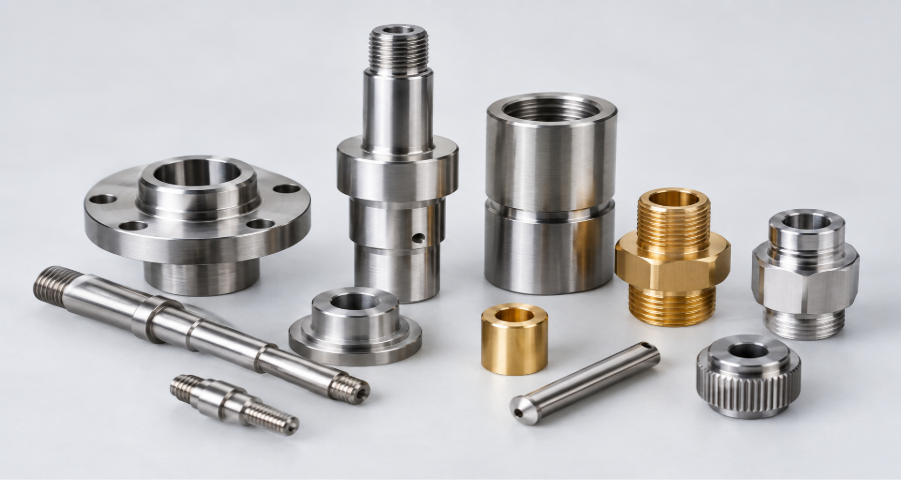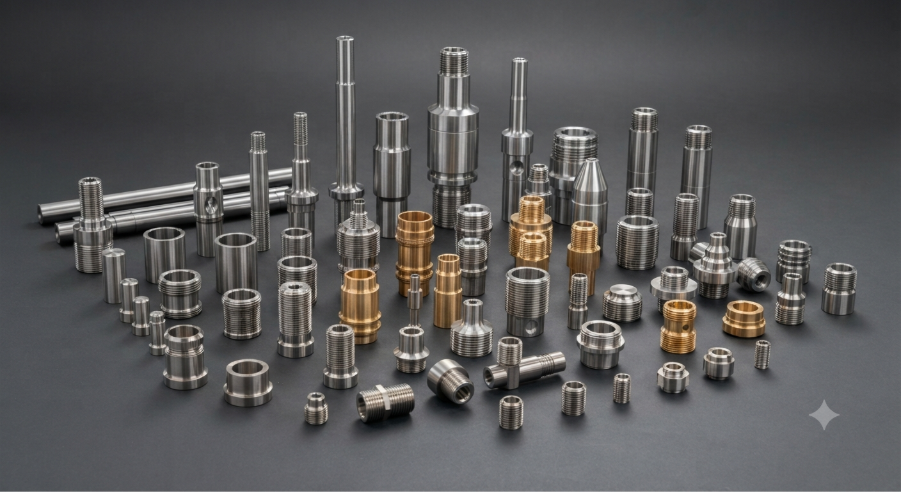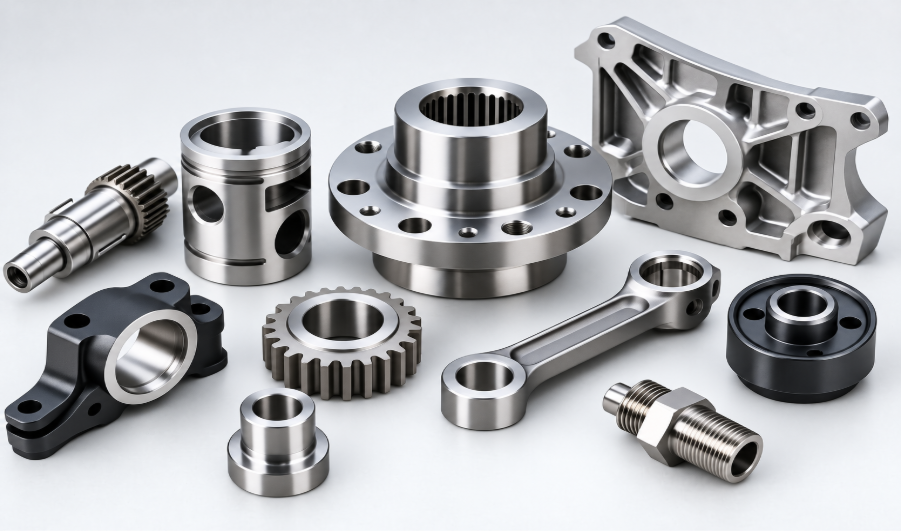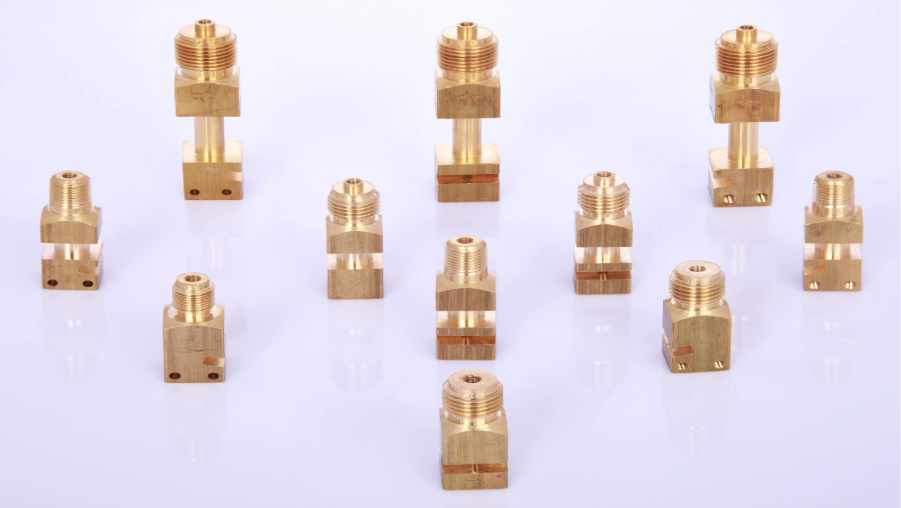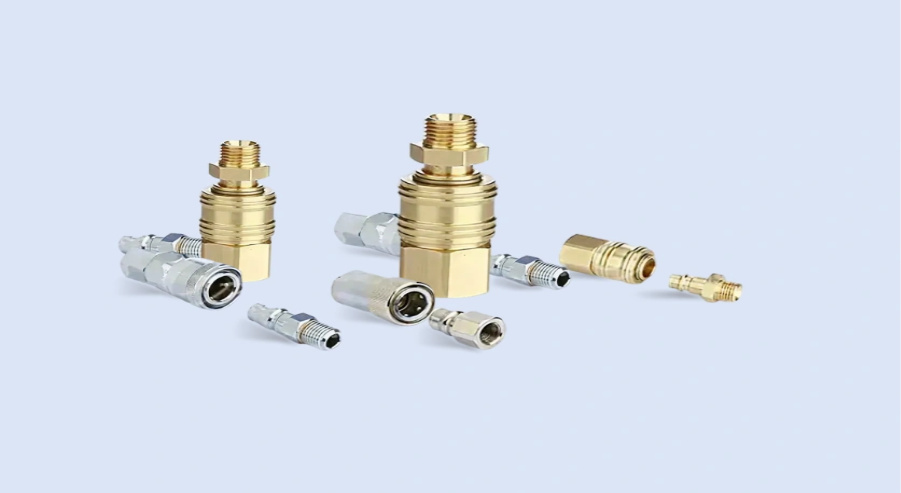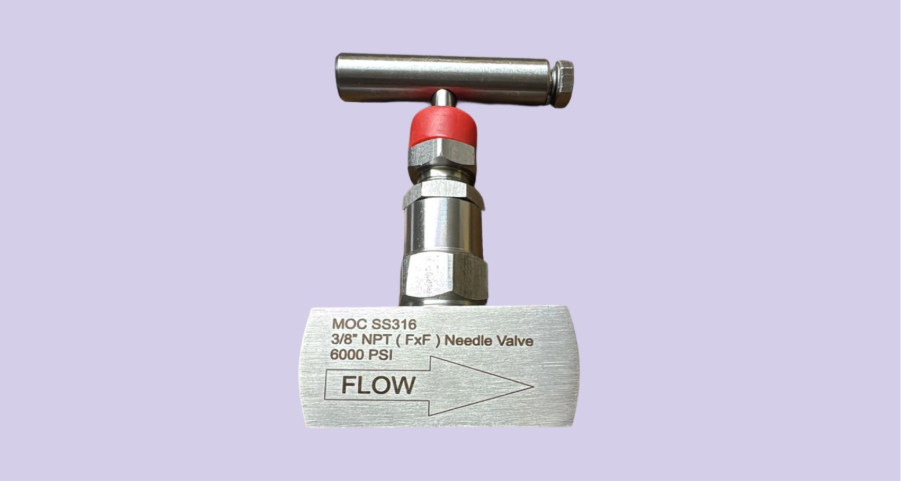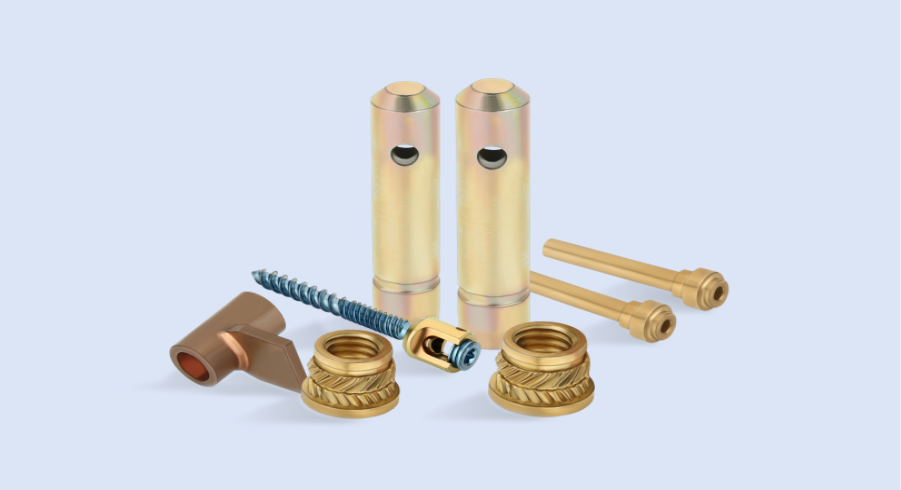
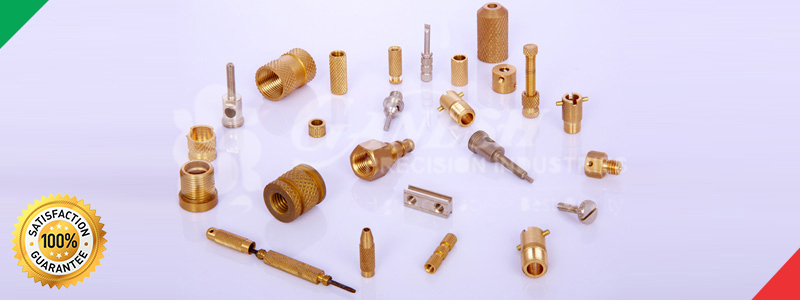
Manufacturers today are expected to deliver high-quality products faster, reduce production costs, and maintain consistent performance across every batch. Achieving these goals depends not only on advanced machinery but also on the quality of the components used during production. That’s why precision turned components have become an essential part of modern manufacturing across industries such as automotive, electronics, aerospace, medical devices, and industrial engineering.
Working with experienced precision turned parts manufacturers helps businesses improve production efficiency while maintaining the accuracy needed for complex assemblies. Here are four ways these components contribute to higher productivity.
1. Improved Accuracy Reduces Rework
Every manufacturing process relies on components that fit and function as expected. Even a small dimensional error can interrupt assembly, increase downtime, or result in product rejection.
Modern precision turned components manufacturers use advanced CNC turning technology and rigorous inspection methods to produce parts with tight tolerances. Accurate components reduce the need for rework, simplify assembly, and help manufacturers maintain consistent product quality throughout production.
2. Faster Production Supports Higher Output
Speed plays a major role in today’s competitive manufacturing environment. Automated machining processes allow precision turned components to be produced quickly without sacrificing consistency.
With shorter machining cycles and reliable repeatability, manufacturers can complete production schedules more efficiently while meeting growing customer demand. This is especially valuable for industries that require high-volume production with strict quality standards.
3. Lower Material Waste and Better Cost Control
Reducing waste is no longer just about cutting costs—it is also part of building a more sustainable manufacturing process. Precision machining removes only the required amount of material, helping manufacturers make better use of raw materials.
Reliable precision turned parts manufacturers also minimize production defects, reducing scrap rates and avoiding unnecessary replacement costs. Over time, these efficiencies contribute to improved profitability and better resource management.
4. Greater Flexibility for Modern Manufacturing
Manufacturing requirements continue to evolve as products become more specialized. Businesses often need components designed for unique applications, materials, or technical specifications.
Experienced precision turned components manufacturers can produce customized parts that meet exact design requirements while maintaining consistent quality. This flexibility allows manufacturers to respond quickly to new product developments, customer requests, and changing market demands without compromising production efficiency.
Why Precision Components Matter More Than Ever
Today’s factories are increasingly adopting automation, digital quality monitoring, and lean manufacturing practices. These technologies perform best when supported by high-quality precision turned components that offer dependable performance and dimensional consistency.
Choosing the right manufacturing partner also helps businesses maintain stable supply chains, improve equipment reliability, and reduce unexpected production interruptions. As quality expectations continue to rise, investing in precision-engineered components becomes an important step toward long-term operational success.
Conclusion
From improving accuracy and reducing waste to supporting faster production and custom manufacturing, precision turned components continue to play a critical role in enhancing productivity across multiple industries. By partnering with trusted precision turned parts manufacturers and experienced precision turned components manufacturers, businesses can strengthen their manufacturing processes and deliver consistently reliable products. Ganesh Precision Industries provides precision-engineered solutions designed to help manufacturers achieve greater efficiency, dependable quality, and long-term production success.