Modern industries depend on accuracy and speed. Even a small error in a machine part can affect production quality and performance. This is why many industries use precision turned components in modern manufacturing.
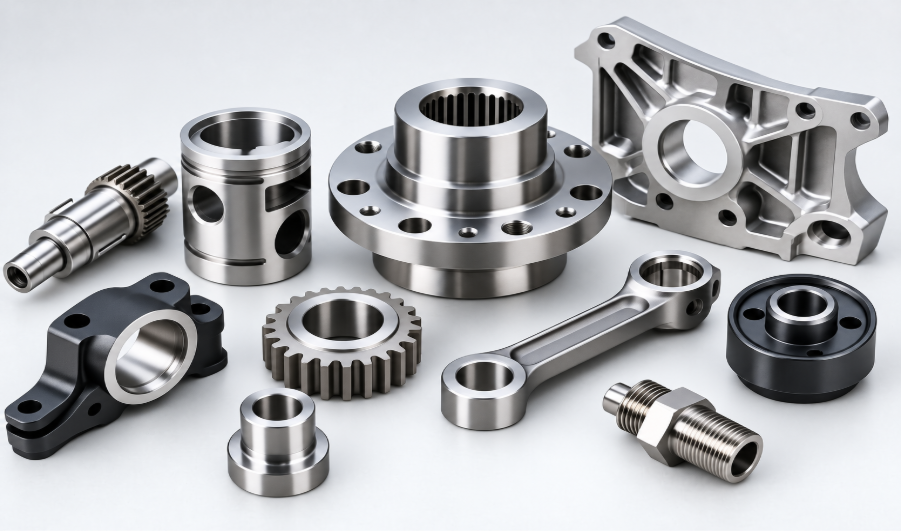
These components are widely used in automotive, aerospace, electrical, medical, and industrial applications. They help improve efficiency, reduce production errors, and maintain consistent quality.
Today, many businesses rely on experienced precision components manufacturers for durable and high-performance industrial parts.
What Are Precision Turned Components?
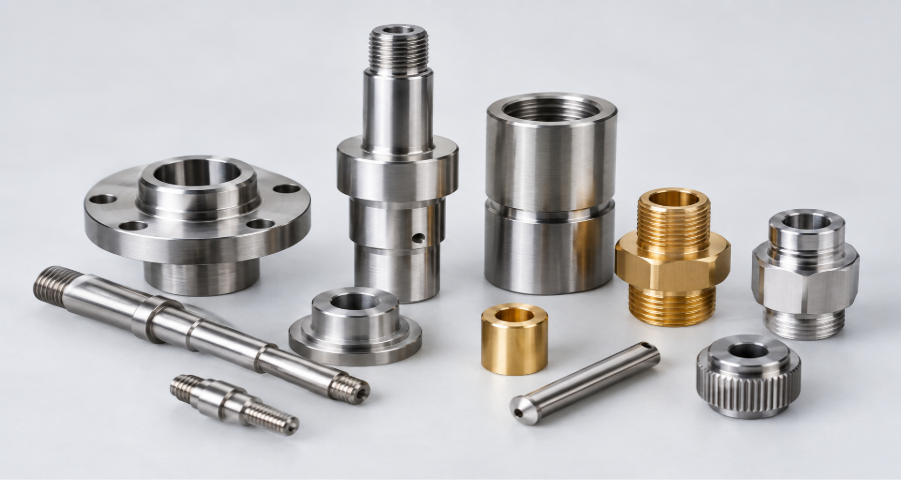
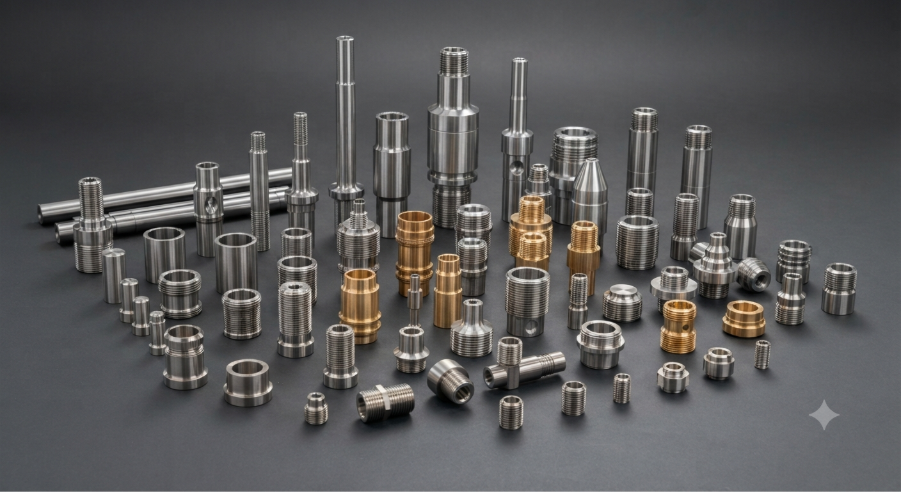
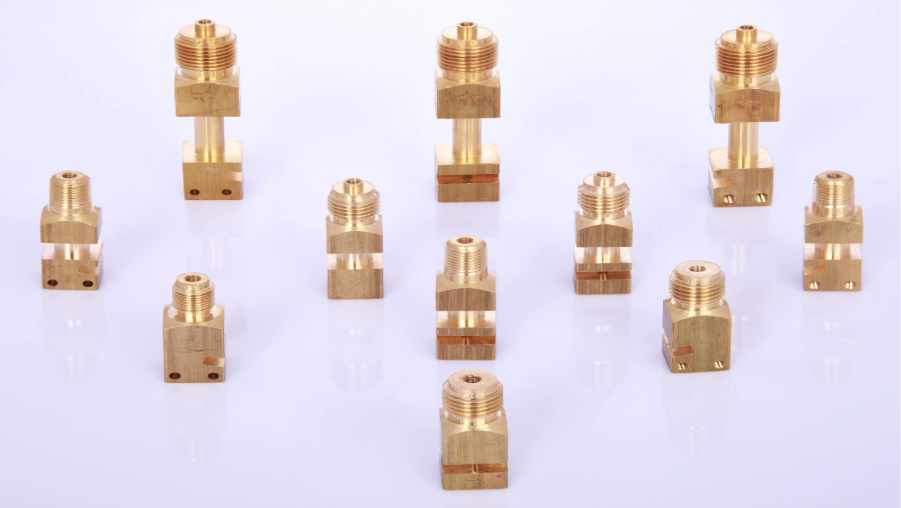
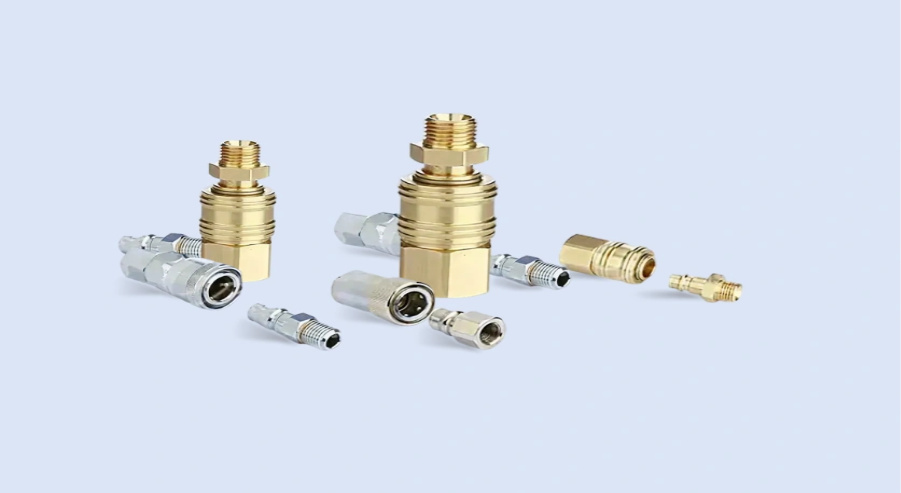
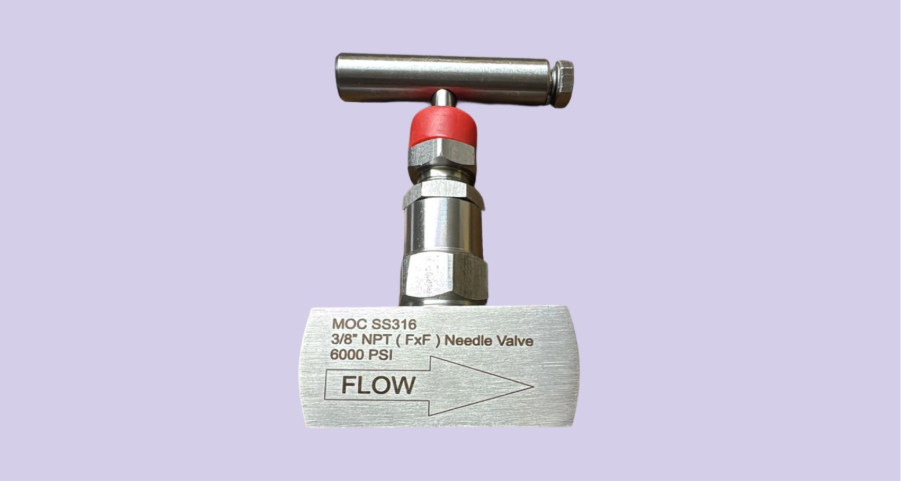
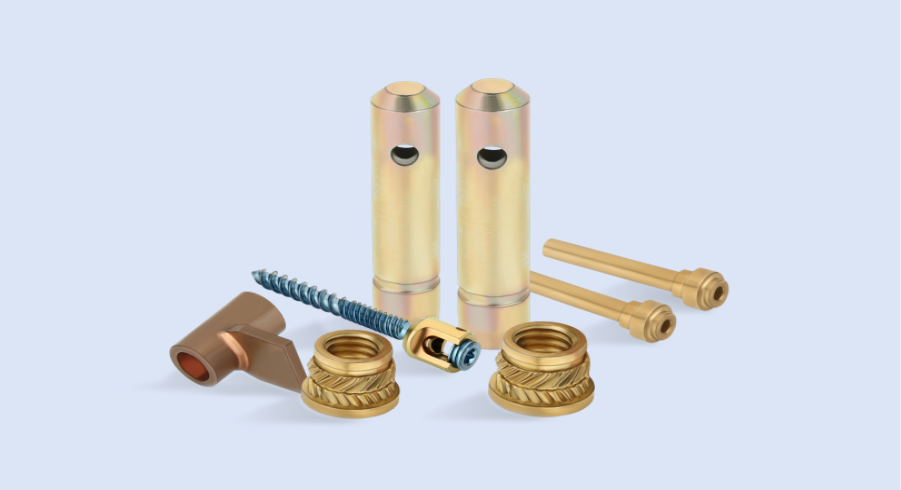
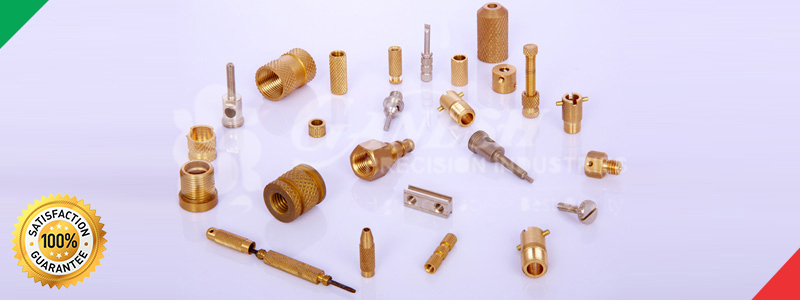
Precision turned components are machine parts produced using CNC turning machines and lathes. These machines shape raw materials into accurate parts with exact dimensions and smooth finishing.
Manufacturers use different materials based on industrial requirements, including:
- Stainless steel
- Brass
- Copper
- Aluminum
- Titanium
- Engineering plastics
Trusted precision turned parts manufacturers produce these components according to industrial standards and application needs.
Why Are Precision Turned Components Important?
Modern manufacturing requires accurate parts and reliable performance. Poor-quality components can reduce machine efficiency and increase maintenance costs.
This is why industries choose skilled precision components manufacturers that use advanced CNC technology and proper quality inspection methods.
Precision machining also helps industries improve production speed and maintain product consistency.
Advantages of Precision Turned Components
High Accuracy and Precision
One of the biggest advantages of precision turned components is high accuracy. CNC machines follow programmed instructions to create precise parts with minimal variation.
This helps improve fitting, product quality, and machine performance.
Faster Production Process
CNC turning machines work faster than traditional machining methods. They reduce manual work and improve manufacturing speed.
Professional precision turned parts manufacturers can also handle bulk production without affecting quality.
Faster production helps industries complete projects within shorter timelines.
Reduced Material Waste
Precision machining removes only the required material during production. This helps reduce waste and improve material usage.
The process is especially useful for costly materials like brass, titanium, stainless steel, and copper.
Reduced waste also helps manufacturers lower overall production costs.
Consistent Product Quality
Consistency is important in industrial manufacturing. CNC machines can produce identical parts repeatedly with very little variation.
Reliable precision components manufacturers also perform regular inspections to maintain strict quality standards.
Consistent quality helps industries reduce defects and avoid production delays.
Smooth Surface Finish
Precision turning machines create smooth and clean finishes on components. This reduces the need for additional finishing work.
A smooth surface also improves durability and appearance.
Many industries prefer smooth components because they support better machine performance and long-term reliability.
Supports Complex Component Designs
Modern CNC machines can create detailed and complex shapes easily.
This helps manufacturers produce custom components for different industrial applications.
Experienced precision turned parts manufacturers can create parts in different sizes, dimensions, and specifications.
Cost-Effective Manufacturing
CNC machines may require a higher initial investment. However, they help reduce long-term manufacturing expenses.
Main benefits include:
- Faster production
- Lower labor costs
- Reduced material waste
- Less rework
- Better productivity
Because of these advantages, many industries prefer using precision turned components for large-scale manufacturing operations.
Industries That Use Precision Turned Components
Many industries depend on precision machining every day. Common industries include:
- Automotive industry
- Aerospace sector
- Medical equipment manufacturing
- Electrical and electronics industry
- Industrial machinery
- Telecommunications
- Hydraulic systems
The growing demand for accurate industrial parts continues to increase the need for trusted precision components manufacturers across different sectors.
How to Choose the Right Manufacturer
Choosing the right manufacturer is important for product quality and timely delivery.
Businesses should consider:
- CNC machining experience
- Quality inspection systems
- Material expertise
- Production capability
- Delivery timelines
- Industry knowledge
Experienced precision turned parts manufacturers focus on quality, accuracy, and customer satisfaction.
The right manufacturing partner also helps businesses maintain long-term product reliability and operational efficiency.
Final Thoughts
The demand for durable and accurate industrial parts is growing rapidly. This has increased the importance of precision turned components in modern manufacturing.
Advanced CNC technology improves accuracy, reduces waste, and increases production efficiency. Businesses that work with trusted precision components manufacturers can achieve better product quality, smoother operations, and reliable industrial performance.
Ganesh Precision Industries continues to support modern manufacturing with precision-engineered components designed for quality, consistency, and long-term industrial applications.