Why Precision Matters in Today’s Industry
Modern manufacturing is no longer just about producing parts quickly. The real demand today is accuracy, consistency, and long-term reliability.
Even a small error in a component can lead to:
- Machine failure
- Poor assembly fitting
- Higher repair costs
- Reduced equipment life
Because of this, industries depend heavily on precision components manufacturers who can deliver parts that meet exact design requirements.
Precision has become a basic need, not an added advantage.
What Precision Machining Means
Precision machining is a controlled manufacturing process where raw material is shaped using advanced CNC machines.
These machines follow programmed instructions to create parts with high accuracy and repeatability.
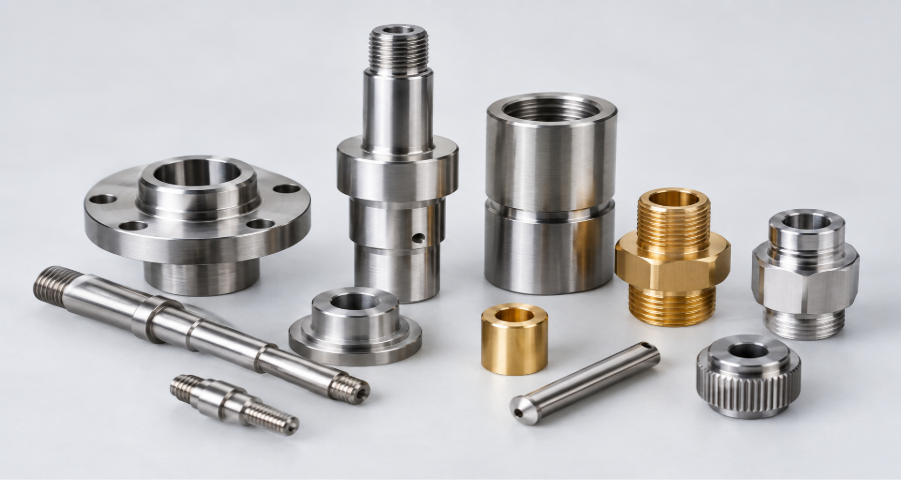
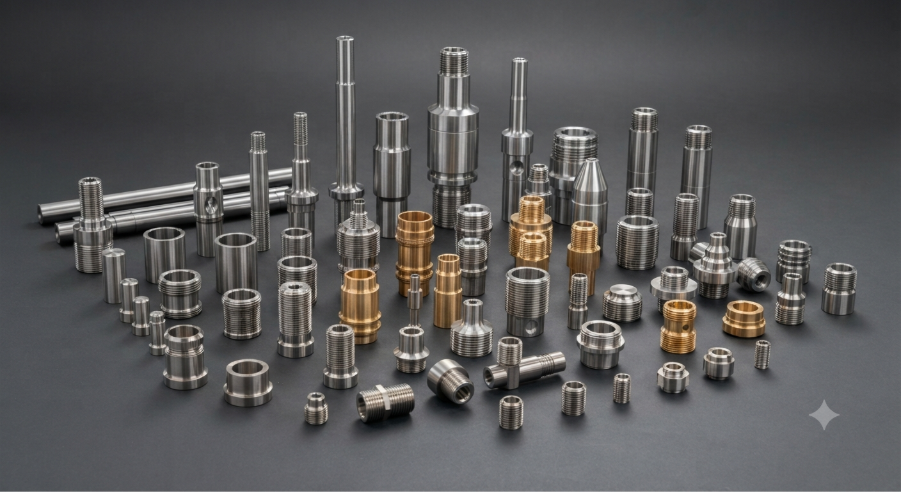
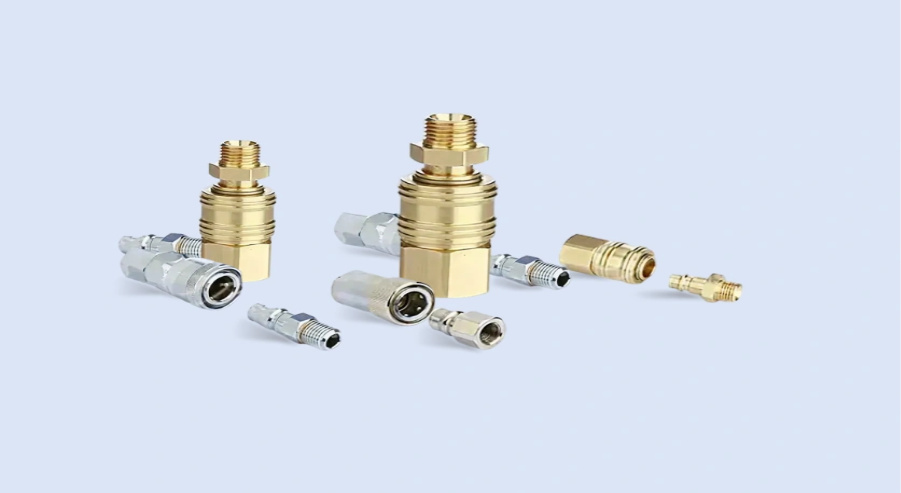
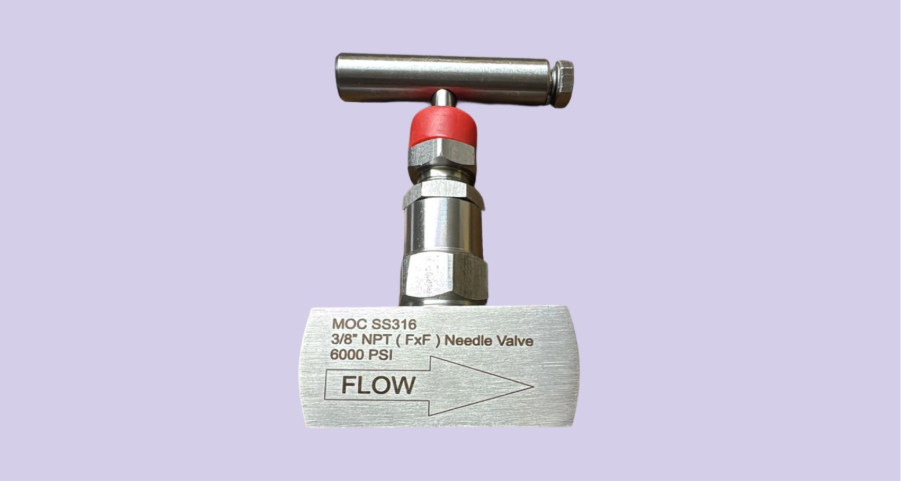
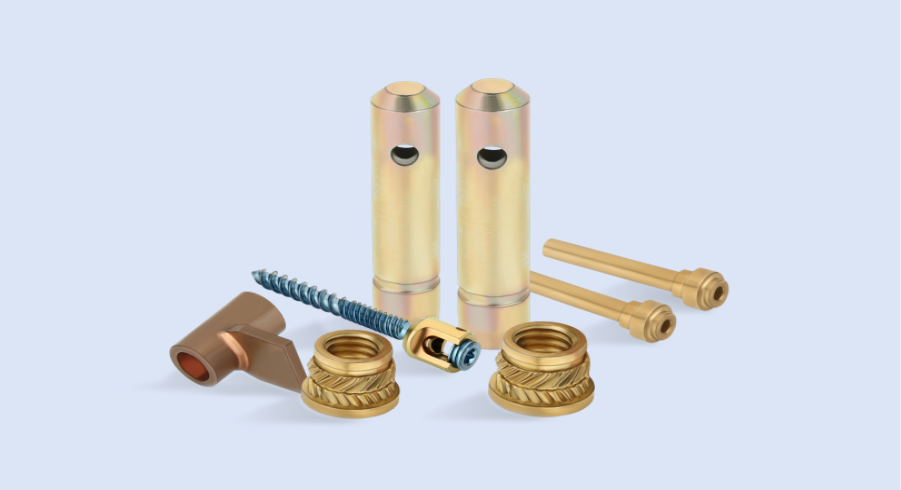
This is how precision turned components are produced with tight tolerances and smooth finishing.
Compared to manual methods, CNC-based machining ensures:
- Consistent size accuracy
- Repeatable output
- Better surface quality
That is why industries prefer experienced precision turned components manufacturers for critical applications.
Key Benefits of Precision Machining
1. Accurate Fit During Assembly
One major benefit is perfect fitting between parts.
When components are made accurately:
- They fit without force
- Assembly becomes faster
- Alignment issues are reduced
This improves production speed and reduces installation errors.
Reliable precision components manufacturers help industries achieve smooth and error-free assembly processes.
2. Consistent Quality in Every Batch
In mass production, consistency is very important.
Precision machining ensures every precision turned component is identical, even in large volumes.
This results in:
- Fewer rejected parts
- Stable product performance
- Reliable output over time
This is why industries trust skilled precision turned parts manufacturers.
3. Reduced Material Waste
Material cost is a major part of manufacturing expenses.
Precision machining reduces waste by using controlled cutting methods.
This leads to:
- Less scrap generation
- Better raw material usage
- Lower production cost
Working with efficient precision components manufacturers improves overall cost control.
4. Faster Production Process
CNC machining helps speed up production without losing accuracy.
It allows:
- Continuous manufacturing
- Less manual intervention
- Faster delivery cycles
Experienced precision turned components manufacturers can meet urgent and bulk requirements efficiently.
5. Lower Maintenance and Repair Cost
Precision components improve machine life.
High-quality parts help:
- Reduce wear and tear
- Minimize breakdowns
- Improve machine stability
This reduces long-term maintenance cost for industries using precision turned parts manufacturers.
6. Strong and Durable Components
Machine performance depends on component strength.
Accurate precision turned components provide:
- Better load handling
- Less vibration
- Longer service life
This improves overall system reliability in industrial use.
7. Ability to Handle Complex Designs
Modern machines require small but complex parts.
Precision machining allows production of:
- Tight tolerance components
- Complex shapes
- Custom-designed parts
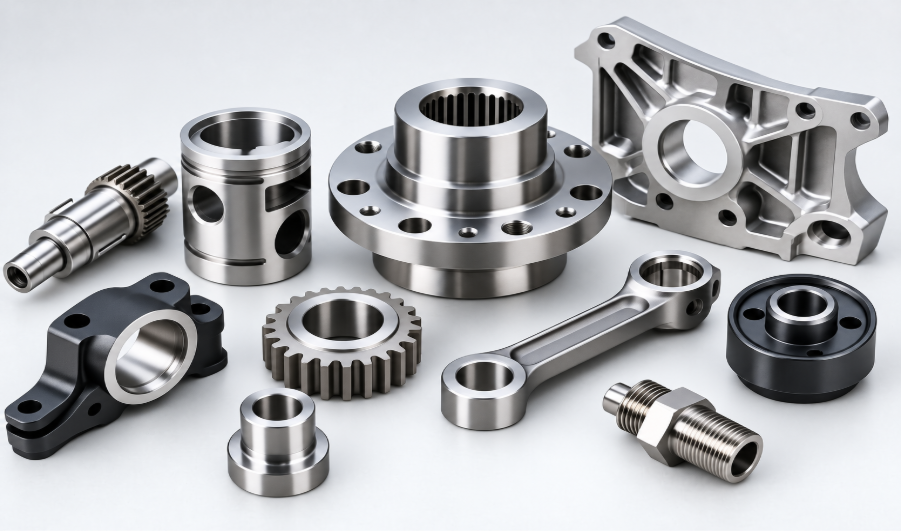
Advanced precision turned components manufacturers can easily produce such parts with accuracy.
8. Less Dependence on Manual Work
Manual machining can lead to variation due to human involvement.
Precision machining reduces this by:
- Automating production
- Standardizing output
- Reducing human error
This ensures stable quality from precision components manufacturers.
Industries That Rely on Precision Machining
Precision machining is widely used in industries where failure is not acceptable:
- Automotive systems
- Aerospace engineering
- Electronics manufacturing
- Industrial machinery
These sectors depend on precision turned parts manufacturers because even a small defect can affect safety and performance.
How to Choose the Right Manufacturer
Choosing the right supplier is very important for quality output.
Before selecting precision turned components manufacturers, check:
- CNC machining capability
- Quality inspection process
- Experience in your industry
- Ability to maintain tight tolerances
A reliable partner helps reduce production issues and ensures stable performance.
Final Thoughts
Precision machining plays a key role in modern manufacturing. It improves accuracy, reduces waste, increases efficiency, and ensures long-term reliability.
Industries that depend on high-quality precision turned components achieve better performance and fewer breakdowns.
Working with experienced precision components manufacturers ensures consistent quality and smoother production operations.
For industries that require accuracy and durability, companies like Ganesh Precision Industries support manufacturing needs with precision-engineered components designed for reliable industrial performance.