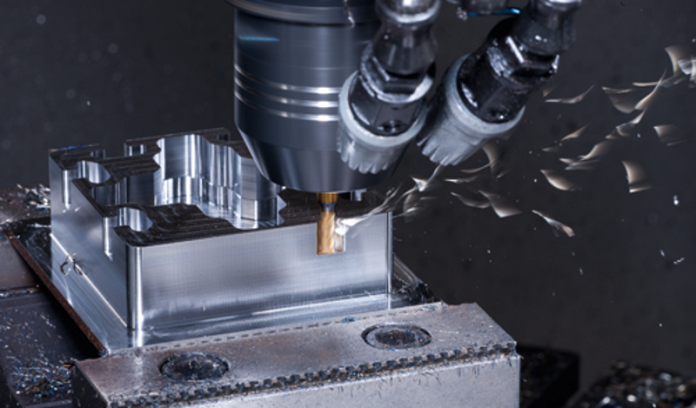
A CNC (Computer Numerical Control) machine is a machine tool that uses pre-programmed computer software to control the movement of cutting tools and the workpiece, producing parts to exact dimensions with little manual intervention. The definition of a CNC machine is simple: a machine that follows coded digital instructions instead of manual control. Common CNC machines include lathes (turning machines), milling machines, routers, plasma cutters and laser cutters.
CNC machining is a manufacturing process used by manufacturing businesses and companies. CNC machining can be defined as the use of a pre-programmed computer which dictates the movement of tools required for manufacturing various goods and tools required to control machinery.
CNC stands for computer numerical control and it greatly reduces the requirement of manual control. What is more, CNC machining also avoids the errors that can be made due to manual labor.
In essence, CNC machining works similar to a robot. To the eyes of an onlooker, the computer processes could not be that different from any other machine. In reality, the process of CNC machining is extremely different from other kinds of machine processing.
CNC machining makes use of precise dimensions and precise instructions to work. The desired cuts to be attained by the program are fed into the computer, down to the last detail and then the process is initiated.
How Does a CNC Machine Work?
1. Design: A part is drawn in CAD (Computer-Aided Design) software.
2. Programming: CAM (Computer-Aided Manufacturing) software converts the design into machine instructions (G-code).
3. Setup: The operator loads the raw material and tools and loads the program.
4. Machining: The machine cuts, drills or turns the material exactly as programmed.
5. Inspection: Finished parts are measured to confirm they meet tolerances.
Types of CNC Machines
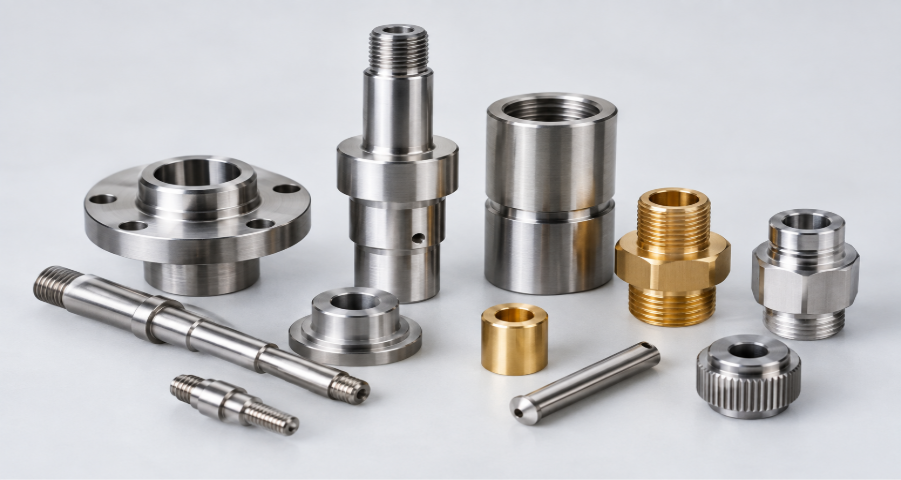
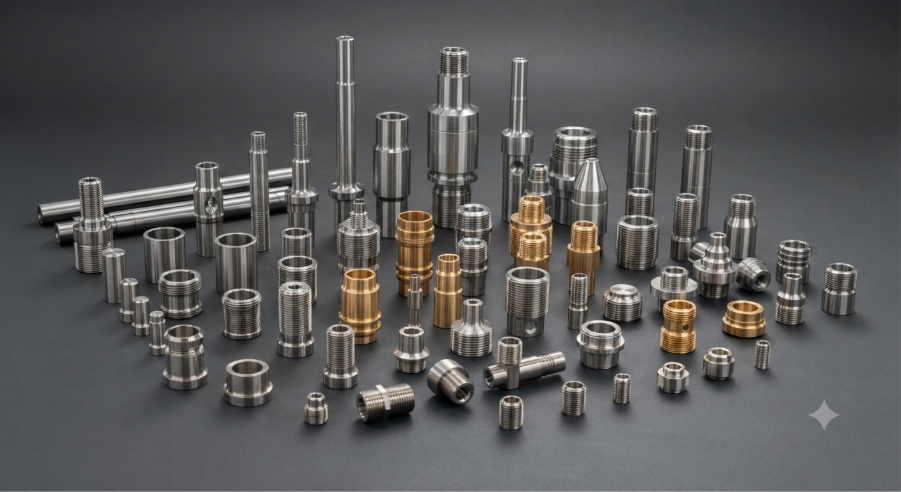
1. CNC lathe (turning machine): produces round parts such as shafts, pins and bushes, known as CNC turning parts and CNC turned components
2. CNC milling machine: cuts flat surfaces, slots and complex shapes
3. CNC router: shapes wood, plastics and soft metals
4. CNC plasma and laser cutters: cut sheet metal quickly and accurately
Importance of CNC machining
Understanding the concept of CNC auto parts will help you to make sure that your manufacturing business runs well. The importance of a CNC machine lies in the accuracy, speed and consistency it brings to every CNC component produced. Here is a list of reasons as to why CNC machining is important:
1. Better than Manual Labor
Since CNC machining is highly automated, the procedure greatly reduces the errors of manual labor. Cutting and making precise cuts is hard for manual labor and there is always a chance of error. However, CNC machining is programmed with exact details, which helps the program to offer correct measurements.
2. Improved efficiency
As it was in manual labor, the production speed could be slow. Depending on how fast your laborers work, the speed of manufacturing could be determined. However, with CNC machining, since your procedures are automated, the speed of manufacturing increases, which helps you to increase your business’s efficiency.
3. Enhanced productivity
Since there is hardly any scope for manual error and everything is automated, your business’s productivity improves drastically. You can find the correct speed and precision in your products without worrying about anything. Additionally, since all of it is automated, the productivity of your business also increases as your losses decrease as well.
4. Better Accuracy
CNC machining is all about automation. Since this procedure runs based on your computer program, your manufacturing process will be able to produce precise goods. You will not have to worry about mismatching dimensions. Additionally, this saves a lot of time as you do not have to spend time measuring each and every product produced for dimensions.
5. Better Safety
As CNC machines do not require to be operated manually, your employees will be away from sharp tools. Since your employees will not be in direct contact with the tools, factory accidents will decrease as well.
Apart from this, there are some advantages to be gained after you start making use of CNC machining and they are:
- Reduced set-up changeover time
- Flexible manufacturing
- Design retention
- Easy maintenance with a regular service schedule
- Accuracy, even when designing something complex
CNC machining has changed the face of manufacturing businesses and has helped in improving the efficiency of the businesses.
Where Are CNC Machines Used?
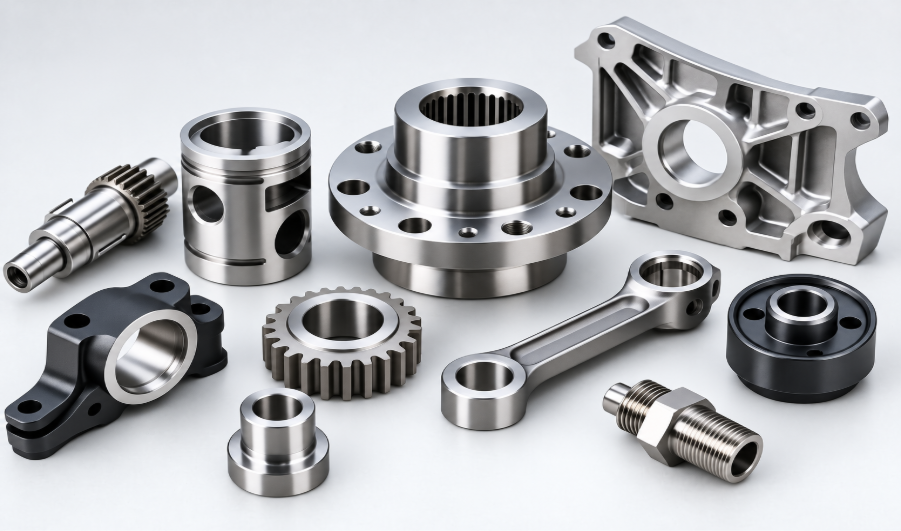
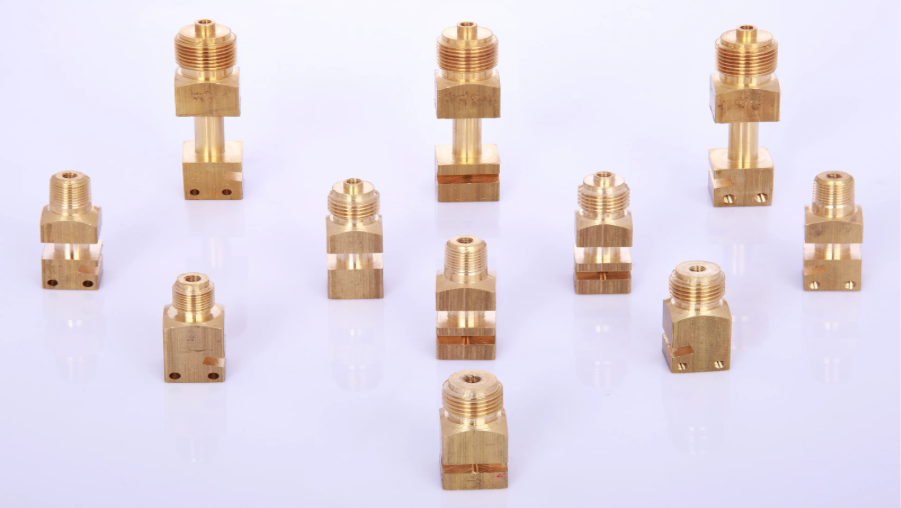
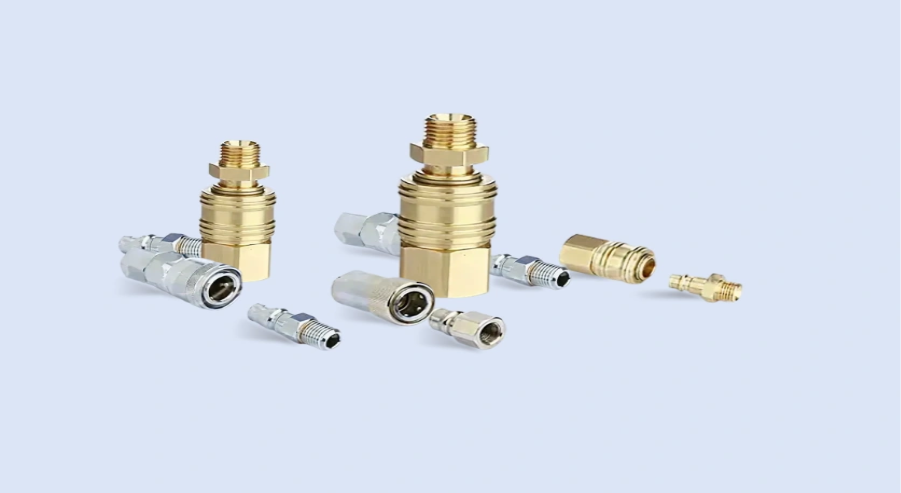
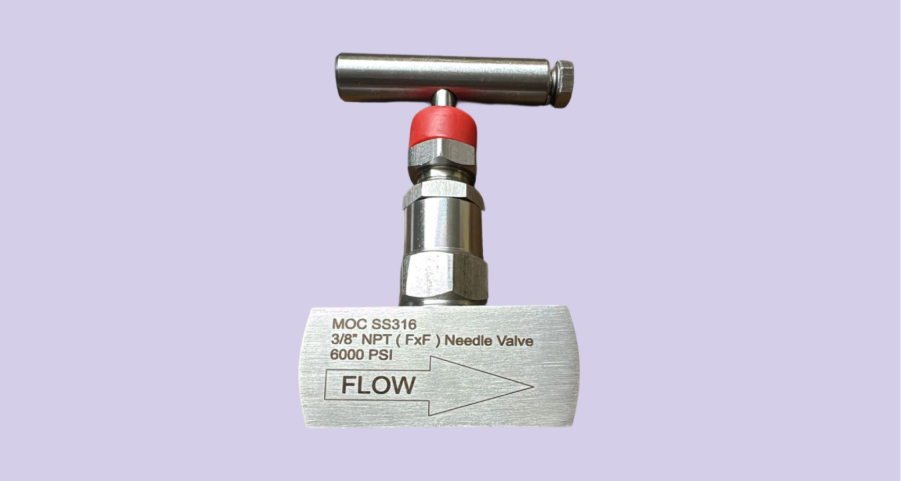
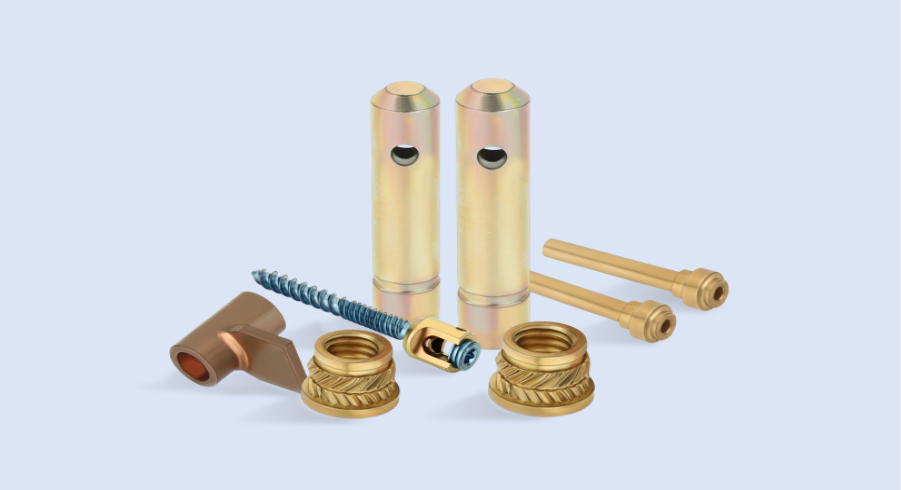
CNC machining is used in automotive, electrical, instrumentation, agriculture, aerospace, oil and gas, and plumbing industries. Typical products include CNC auto parts, pressure gauge parts, brass fittings, shafts, pins and connectors. Because of this wide use, many businesses prefer to source parts from experienced CNC turned parts suppliers instead of buying and maintaining their own machines.
CNC Components from Ganesh Precision Industries
Ganesh Precision Industries is one of the trusted CNC manufacturers in India, with plants in Mumbai and Jamnagar. As experienced CNC auto parts manufacturers, we produce CNC turned components, CNC auto parts, precision turned components and brass components to your drawings and tolerances.
Need a reliable CNC turned parts supplier? Contact us today with your requirements.
FAQ's
1. What is the definition of a CNC machine?
A CNC machine is a computer-controlled machine tool that follows programmed instructions to cut, drill, turn or shape material into precise parts.
2. What does CNC stand for?
CNC stands for Computer Numerical Control.
3. What is the importance of a CNC machine?
CNC machines improve accuracy, speed, consistency and safety, reduce waste and errors, and allow complex parts to be produced repeatedly at scale.
4. What is the difference between a CNC machine and a manual machine?
A manual machine depends on the operator’s hand control for every cut. A CNC machine follows a computer program, so every part is produced to the same specification.