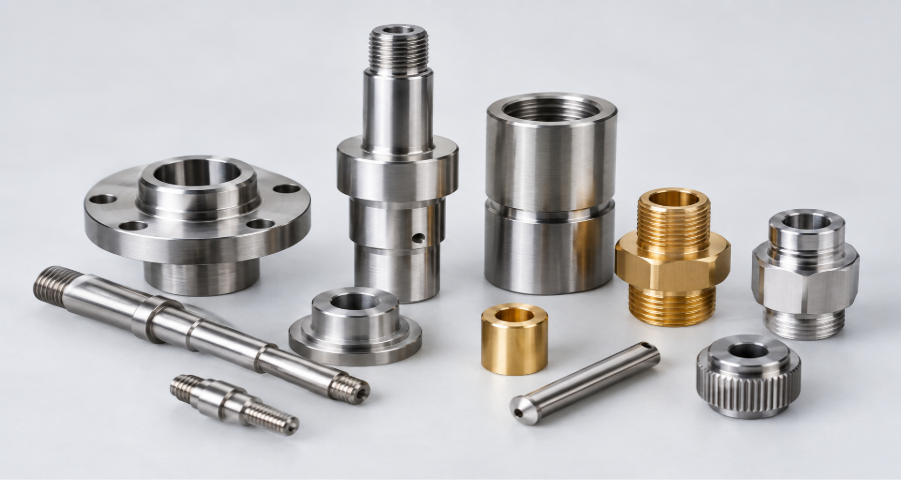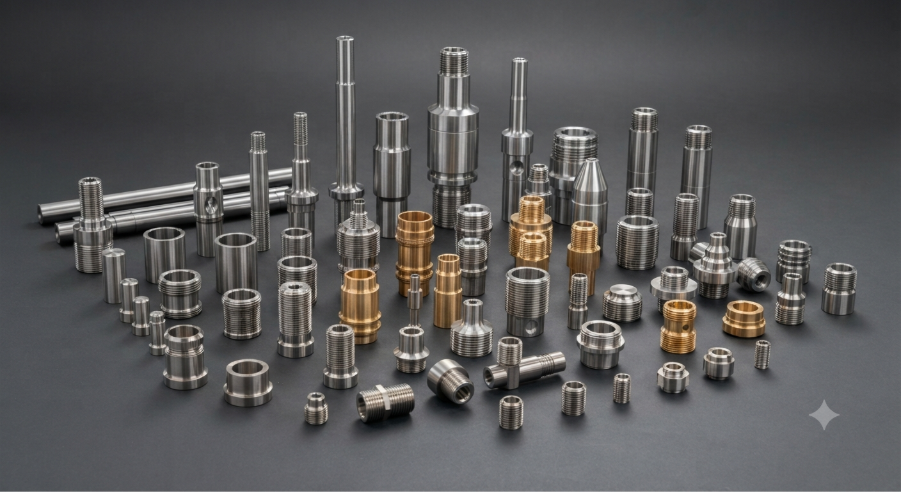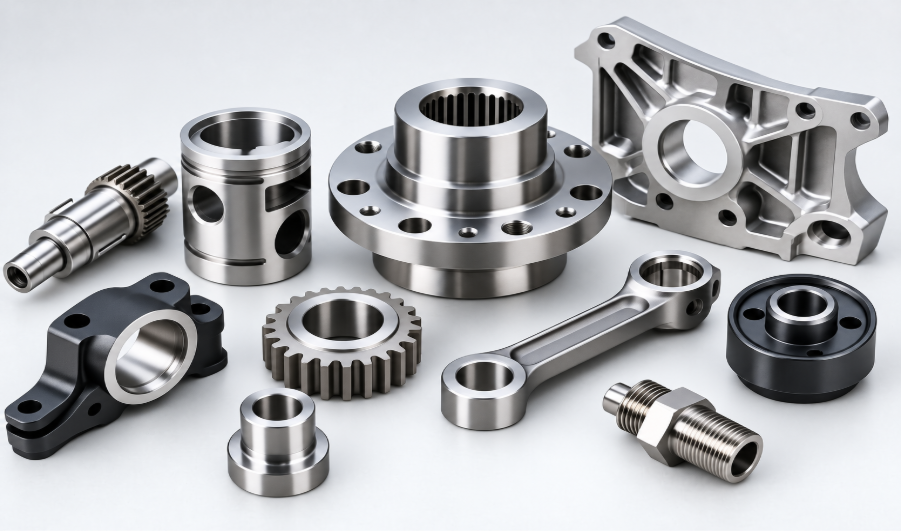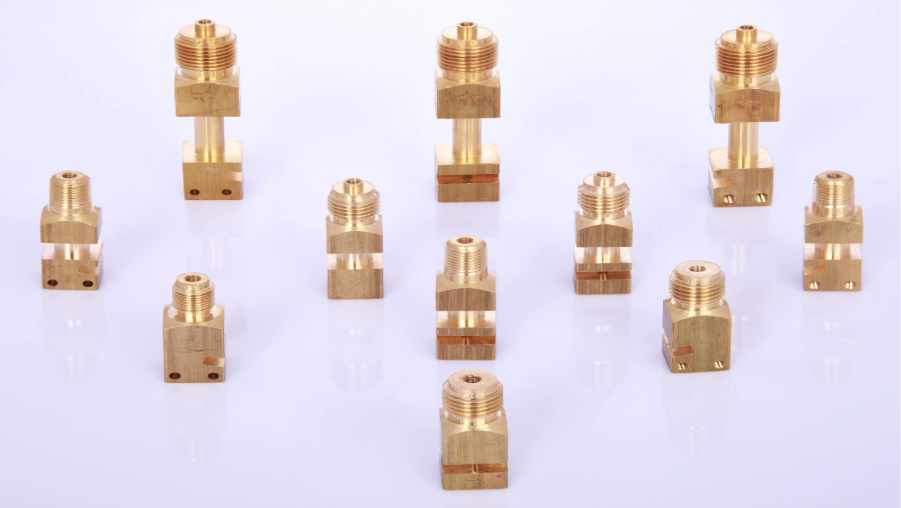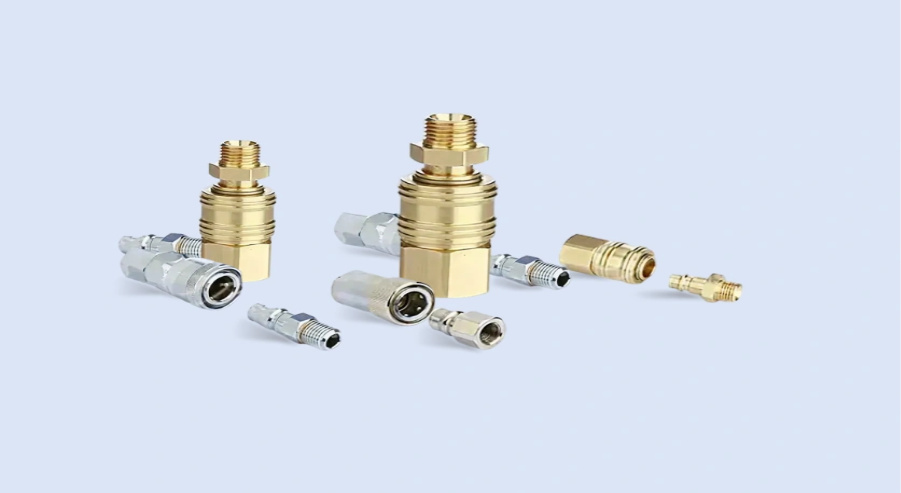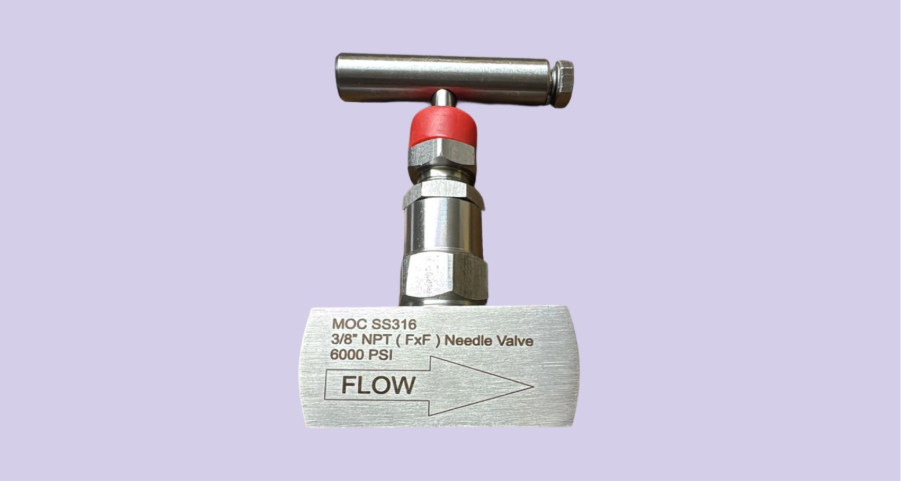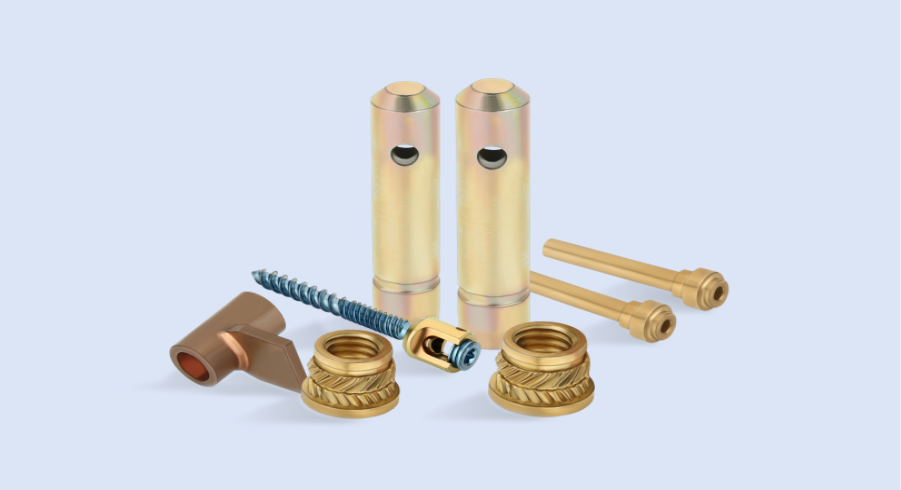
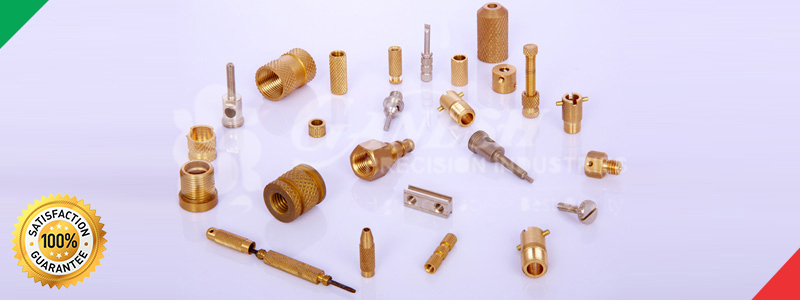
The performance of any manufacturing operation depends on the quality of the components used in production. Selecting the right supplier for CNC turned components is not just about finding the lowest price it’s about ensuring long-term reliability, consistent quality, and uninterrupted production.
Whether you’re sourcing parts for automotive systems, industrial machinery, electrical equipment, or engineering applications, choosing well-manufactured CNC turning parts can improve efficiency while reducing maintenance and operational costs. Here are four important factors every business should consider before making a decision.
1. Evaluate Manufacturing Quality Standards
Quality should always be the first checkpoint when selecting a supplier. High-quality CNC turned components are manufactured with tight tolerances, smooth surface finishes, and consistent dimensions that ensure seamless assembly and dependable performance.
Ask potential suppliers about their quality control process, inspection equipment, and manufacturing certifications. Businesses that invest in advanced CNC technology and regular quality inspections are more likely to deliver reliable components for demanding industrial applications.
2. Look for Technical Experience and Industry Expertise
Every industry has different machining requirements. Components used in automotive manufacturing may require different materials and tolerances than those used in electrical or hydraulic systems.
An experienced manufacturer understands these challenges and can recommend suitable machining methods, materials, and production techniques. Their expertise also helps prevent design issues, improve component performance, and ensure that CNC turning parts meet exact project specifications.
3. Assess Production Capacity and Delivery Reliability
A capable supplier should be able to support both current production requirements and future business growth. Delayed deliveries can interrupt manufacturing schedules and increase operational costs.
Before finalizing a supplier, evaluate their production capacity, machining infrastructure, and ability to handle bulk orders. Reliable manufacturers maintain efficient production planning, allowing businesses to receive high-quality CNC turned components within agreed timelines without compromising consistency.
4. Confirm Material Options and Customization Capabilities
Not all applications require standard components. Many industries need custom-machined parts designed for specific equipment, operating conditions, or performance requirements.
Choose a supplier that offers flexibility in material selection, dimensions, surface finishes, and threading options. Custom CNC turning parts manufactured from high-grade materials can improve durability, extend equipment life, and reduce maintenance requirements over time.
Why the Right Supplier Makes a Difference
Modern manufacturing focuses on more than just precision. Businesses also need dependable delivery schedules, consistent quality, and the flexibility to adapt to changing production demands.
Working with a trusted machining partner helps reduce production risks, simplify inventory planning, and maintain product consistency across every manufacturing batch. These advantages contribute to improved operational efficiency and stronger long-term business performance.
Conclusion
Selecting the right supplier for CNC turned components requires careful evaluation of quality standards, manufacturing expertise, production capabilities, and customization support. Businesses that invest in reliable CNC turning parts benefit from improved productivity, better product performance, and reduced downtime. Ganesh Precision Industries delivers precision-engineered CNC solutions that help manufacturers achieve consistent quality and dependable results across a wide range of industrial applications.