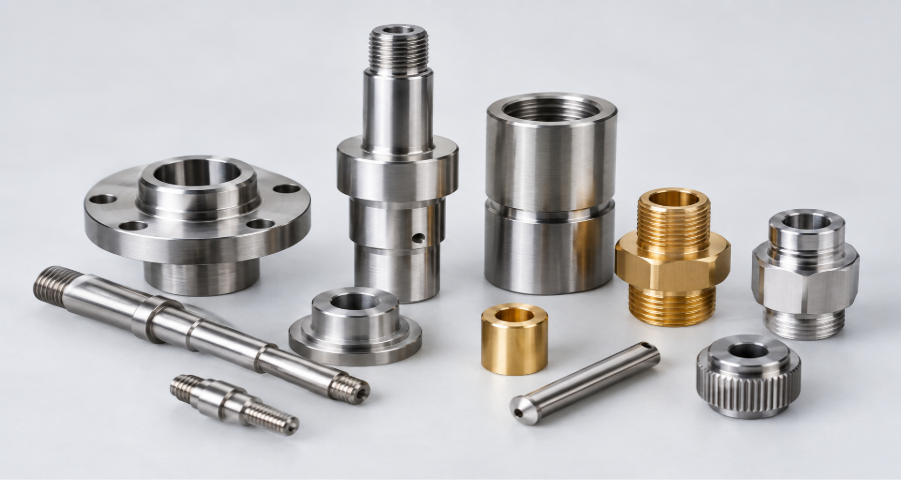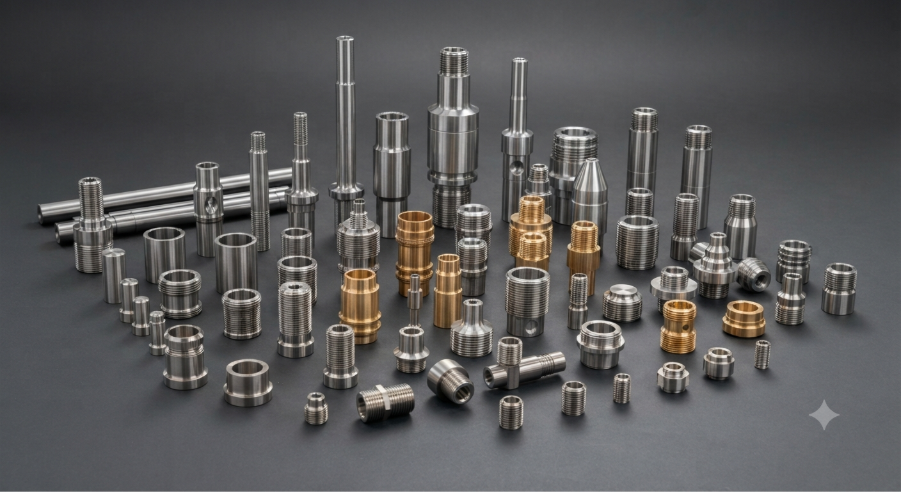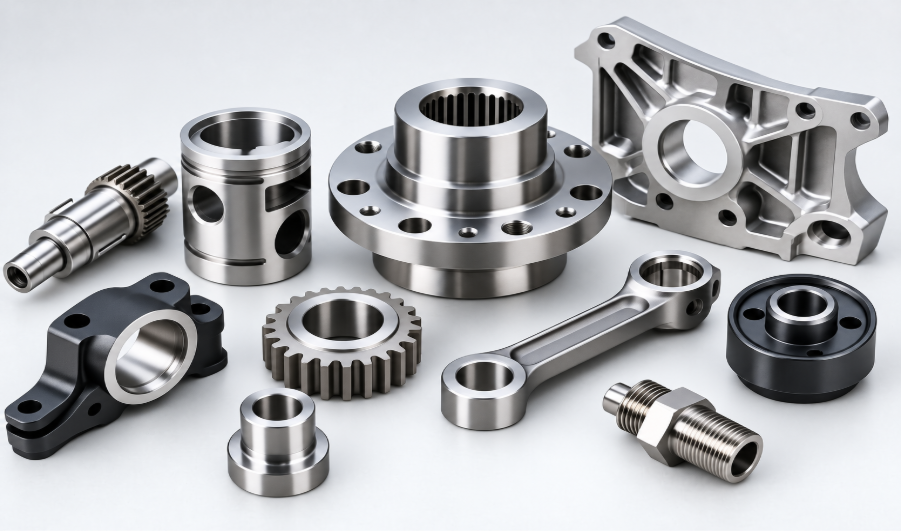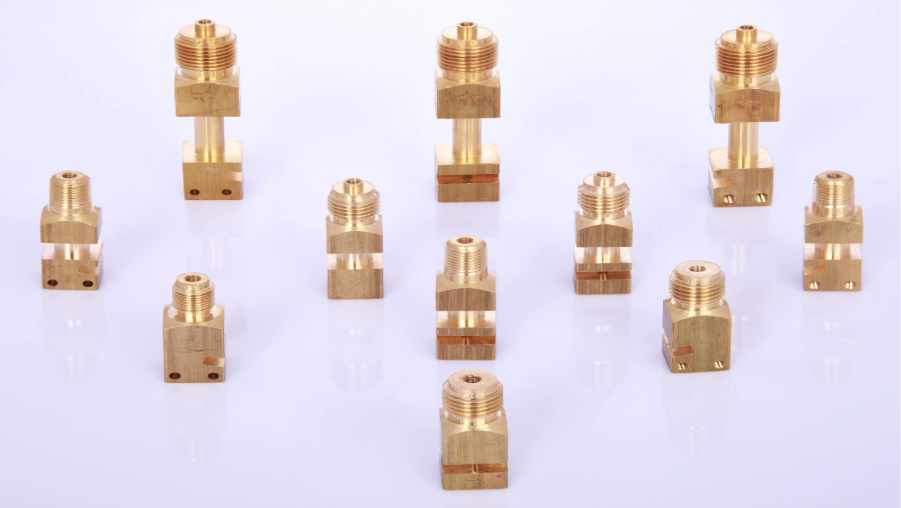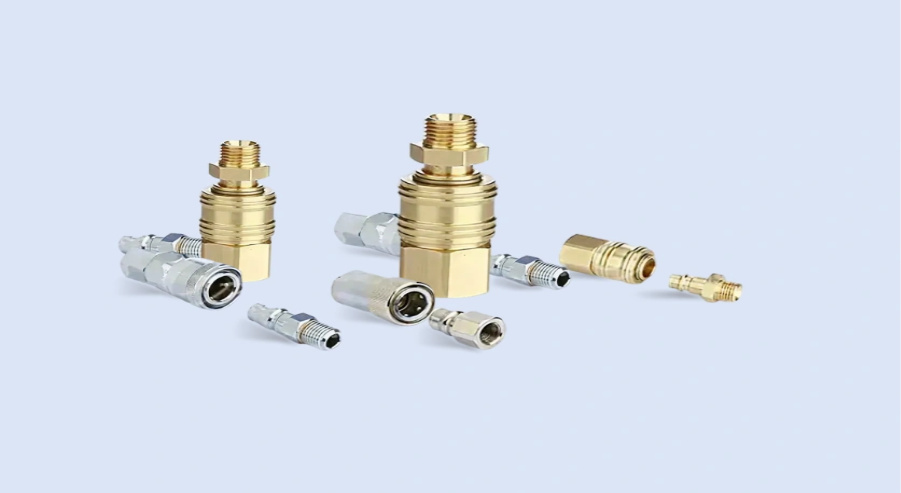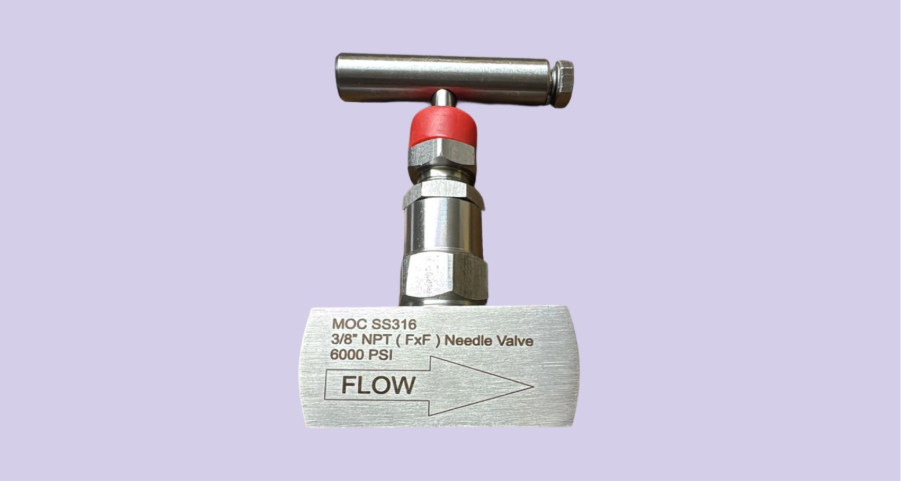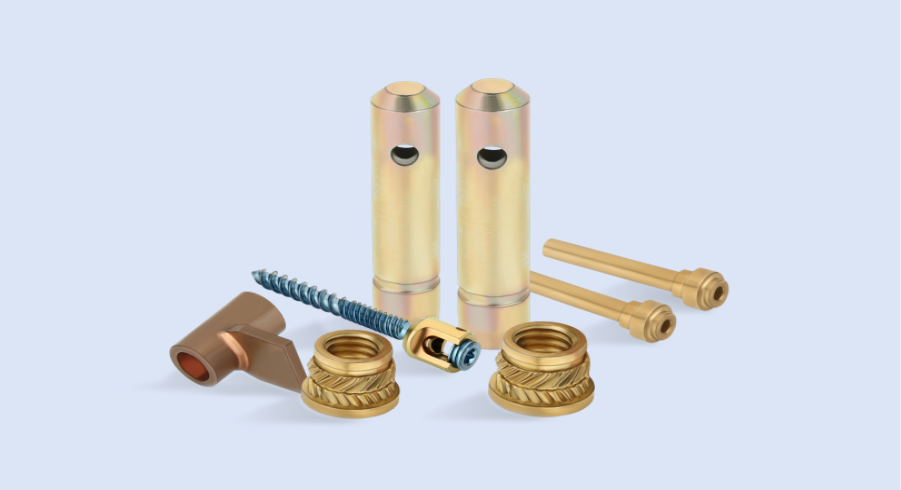
In today’s manufacturing environment, companies must produce better products quickly and manage their production. Whether it’s industrial machinery, automotive parts, electrical equipment, or heavy-duty components, your product’s performance mainly relies on the quality of its parts. Even slight inconsistencies may lead to equipment failure, increased maintenance, or customer dissatisfaction.
This is where the role of CNC machining becomes highly important. Most manufacturers today prefer dealing with reputed CNC turned parts suppliers to ensure that each part is manufactured to consistent quality and accurate dimensions. Precision, speed, and repeatability are reasons for the increasing demand for CNC turning parts and CNC turned components in modern production lines. All manufacturing processes go well and result in cost reduction when components fit well and perform as expected.
Let’s have a look at five practical reasons why industries totally depend on CNC turned components for their day-to-day operations.
Consistent Accuracy for Better Product Performance
In manufacturing, it is not just about meeting the desired requirements; it is also about how well the product will perform in operation. There may be slight variations during machining, especially when large quantities are produced, which can lead to assembly problems, vibrations, and wear on machines over time.
With CNC technology, manufacturers can produce precision-turned components with tight tolerances and dimensions. The process is automated; therefore, each precision-turned component is similar to the others in the context of design specification approval. For this reason, most firms prefer to deal with experienced precision-turned component manufacturers.
Faster Production Without Quality Compromise
The speed is one of the most important factors in the modern day manufacturing industry. The start of production would get delayed, and the manufacturers would miss the deadlines. The CNC machines have the facility to work with constant speed. Hence, the manufacturers would be able to complete the order of cnc turning parts in less time.
Professionally precise parts manufacturers use modern computer-controlled machines to handle both small-scale batch orders and high-scale production. Faster production does not compromise on quality. CNC machines maintain accuracy throughout the production cycle, ensuring that cnc turned components remain uniform even when produced in high volumes.
This balance between speed and quality helps businesses stay competitive while meeting delivery commitments.
Reduced Material Wastage and Better Cost Control
Raw materials contribute to the expense of manufacturing, and wastage in the material will directly impact profitability. Conventional machining involves material waste, mainly because it is operated manually. However, milling machines operate according to the input program, which helps reduce waste.
Generally speaking, when a company works with a reputable CNC turned parts supplier, it can have greater control over how materials are used. This is certainly the case given the nature of CNC machining; after all, it helps minimize waste.
Improved Energy Efficiency and Long-Term Savings
Another major issue for manufacturers is energy consumption, especially for industries that operate heavy machinery for extended periods. The idea behind introducing CNC machines is to plan the best cutting route to minimize machine running movements. This, in turn, reduces their energy consumption per product when compared to conventional cutting methods.
By sourcing components from professional precision turned components manufacturers, businesses can benefit from parts that are produced using energy-efficient processes. Over time, the use of CNC machining for cnc turning parts contributes to reduced operational costs. Lower energy usage, fewer rejected parts, and reduced downtime all add up to long-term savings for manufacturers.
Safer Working Conditions and Reliable Output
Workplace safety is paramount to any manufacturing unit. In manual machining, there is extensive direct interaction with cutting tools and rotating equipment, increasing the risk of injury. CNC machining encompasses most cutting and shaping processes, automatically minimizing the risk of injury. Instead, an operator’s work is mainly in observing machine performance and quality output.
Most manufacturers of precision turned parts consider CNC machining because it ensures a safer working environment and standard production output. Safer operations mean a reduction in disruptions, low accident-related downtime, and higher workforce productivity. Thus, CNC turned components are practical options for manufacturers that must maintain operational stability for longer periods.
Choosing the Right CNC Turned Parts Supplier Matters
To obtain good results, however, simply depending on CNC machining does not produce satisfactory outcomes. Another crucial factor in assessing component quality is the supplier. Established CNC turned parts suppliers equip themselves with advanced machinery to produce components of superior quality.
By seeking assistance from dependable precision-turned component manufacturers, businesses can maintain product quality, reduce operational risks, and enhance overall operational efficiency. For instance, getting the support of dependable CNC turning parts manufacturers is a strategic decision, especially when the operation of the firm is dependent upon reliable CNC turned components.
For businesses seeking dependable machining support and consistent quality in precision components, Ganesh Precision Industries offers manufacturing solutions designed to meet diverse industrial requirements with accuracy, reliability, and timely delivery.