Modern machines must work faster and run longer. They must also stay accurate during heavy use. Industries depend on machines that perform reliably every day. Even a small error in a mechanical part can cause problems.
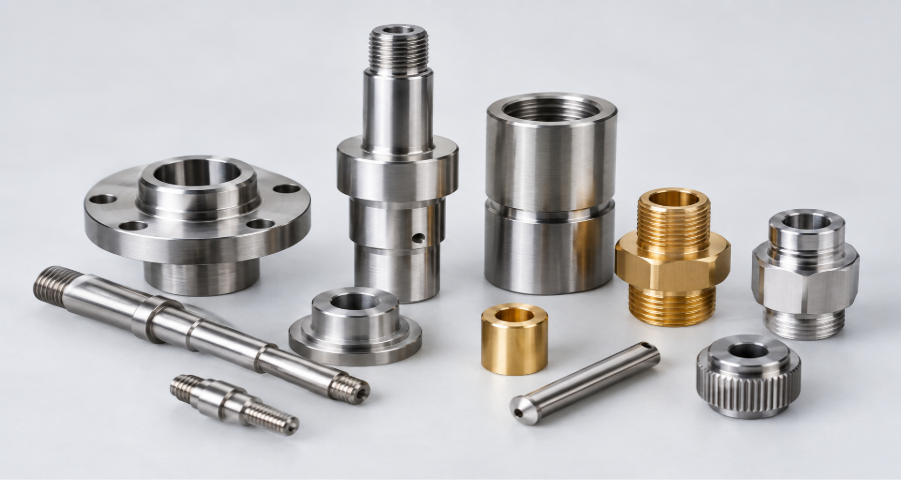
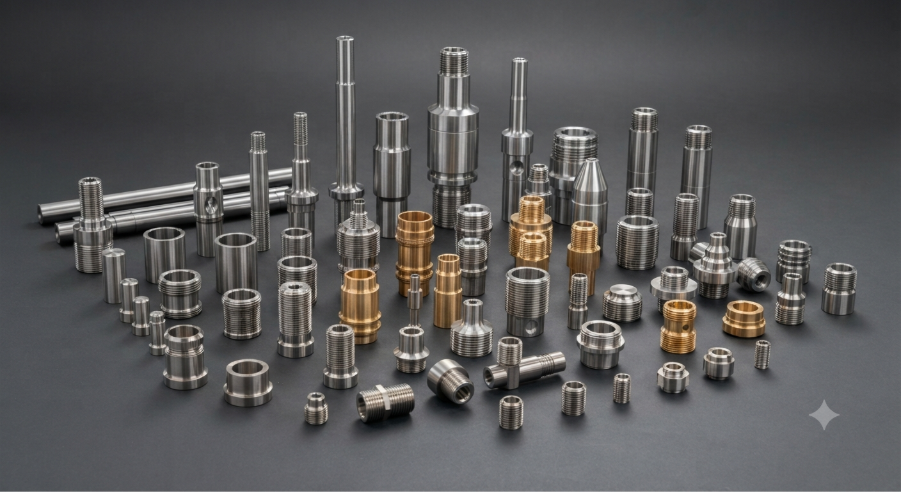
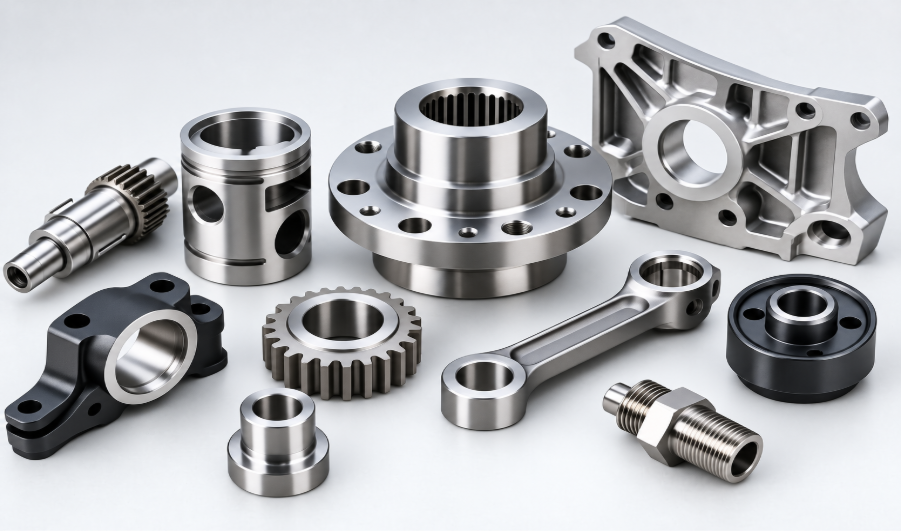
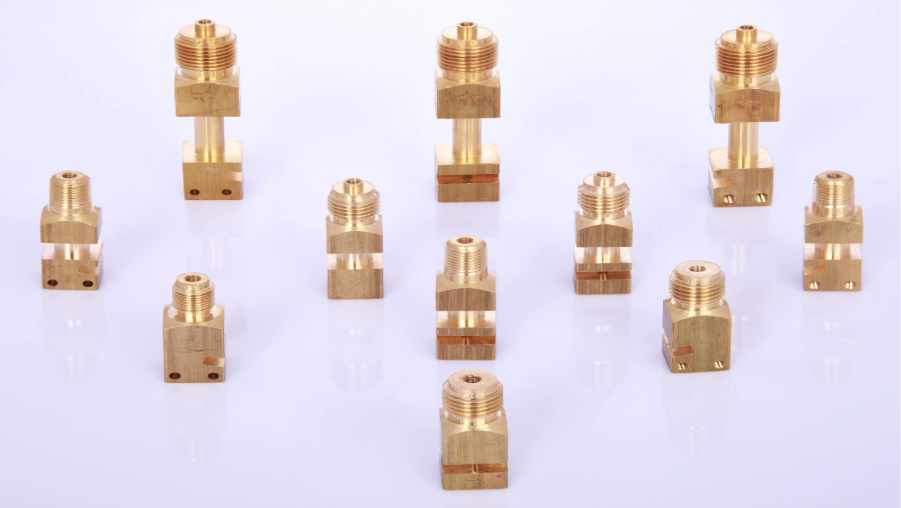
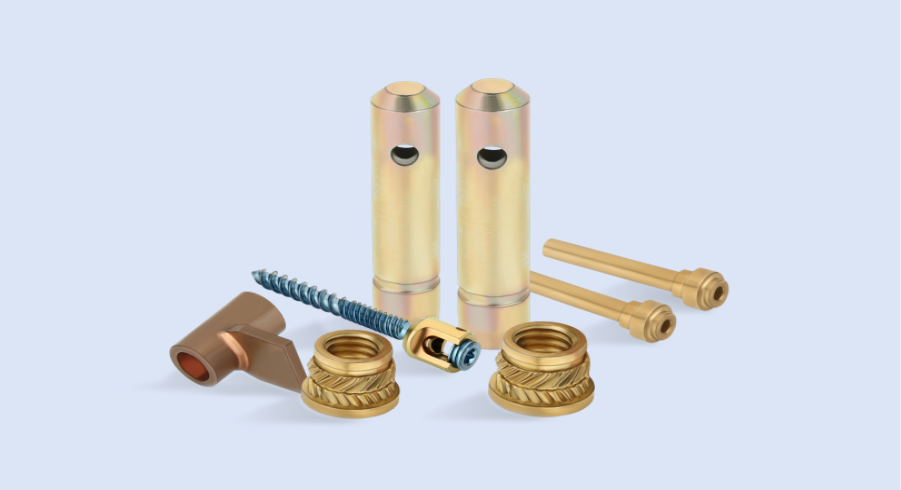
This is why CNC Turned Components are important in modern manufacturing. These parts are made using computer-controlled turning machines. The machines produce parts with accurate dimensions every time. Because of this consistency, many industries rely on CNC Turned Components in India for stable production and reliable machinery.
What Makes CNC Turned Components Important in Machinery?
Most machines contain many connection points. These include threaded parts, shafts, and fittings. If these parts are not precise, machines may vibrate or wear out faster.
CNC Turned Components reduce these problems. CNC turning machines produce parts with high accuracy. Each part follows the same design and dimensions.
This consistency improves machine performance.
Machines built with CNC Turned Components offer several benefits:
- Parts fit easily during assembly
- Rotating parts stay aligned
- Friction between components becomes lower
- Machines operate for longer periods
Because of these advantages, industries often choose reliable CNC Turned Components Manufacturers.
Why Industries Depend on CNC Turned Components
Industrial machines are becoming more advanced. Modern systems combine motors, sensors, control units, and valves. These parts must work together smoothly.
Precision is critical in these systems. Even a small dimensional difference can affect performance.
This increases the demand for accurate CNC Turned Components.
Manufacturers also need suppliers who deliver consistent parts. Reliable CNC Turned Components Manufacturers help companies maintain smooth production.
Today, CNC Turned Components in India support many industries:
- Automotive manufacturing
- Electronics production
- Industrial instrumentation
- Telecom equipment
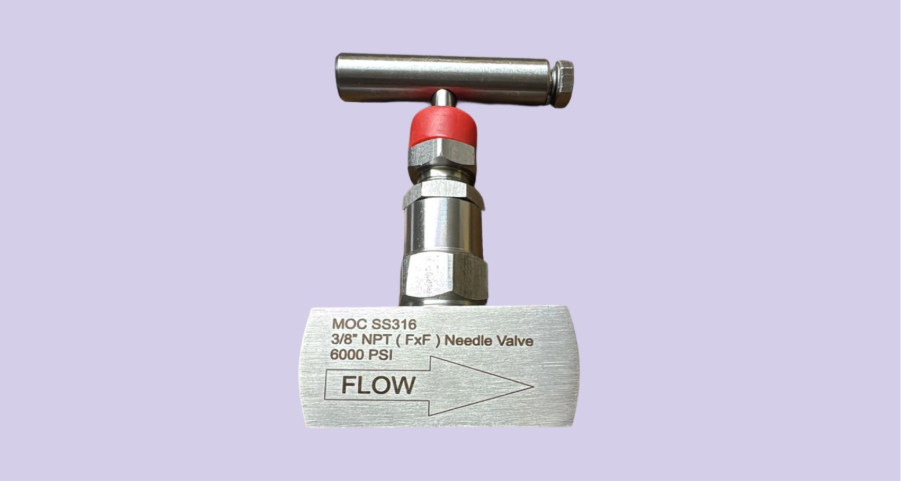
- Valve and fluid control systems
- Lighting and automation equipment
These sectors depend heavily on precision parts. This keeps the demand for CNC Turned Components growing.
How Precision CNC Components Improve Machine Performance
Precision components help machines run smoothly. When parts fit correctly, machines work more efficiently.
High-quality CNC Turned Components improve machine performance in several ways.
Better alignment
Rotating parts stay aligned when dimensions are accurate.
Strong threaded joints
Well-machined threads reduce leakage and loosening.
Lower friction
Correct fits reduce stress between moving parts.
Stable machine operation
Consistent parts reduce unexpected breakdowns.
For this reason, many engineering teams work with trusted CNC Turned Components Manufacturers.
Important Factors in Manufacturing CNC Turned Components
Producing reliable components requires careful control. Experienced CNC Turned Components Manufacturers follow strict processes.
Material Selection
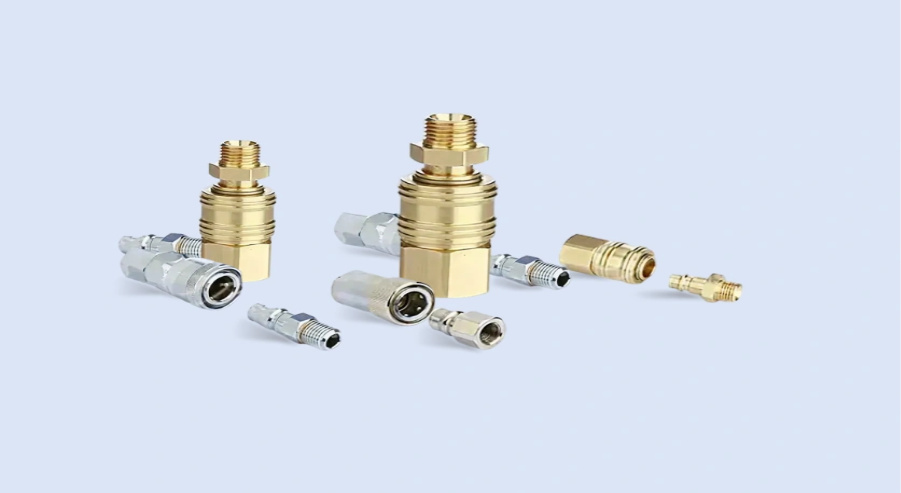
Different machines require different materials. CNC Turned Components are often produced using stainless steel, aluminium, copper alloys, or carbon steel.
Some applications also use specialized grades. These include free-cutting brass (IS-319 / BS-249), RoHS-compliant brass, EN1A leaded steel, and stainless grades like SS 303 or SS 304L.
Thread Standards and Finishing
Thread compatibility is essential in mechanical systems. CNC Turned Components can follow standards including ISO Metric, UNC, UNF, BSP, BSPT, and NPT.
Finishing processes improve durability. Nickel plating, tin plating, and silver plating are commonly used.
Quality Inspection
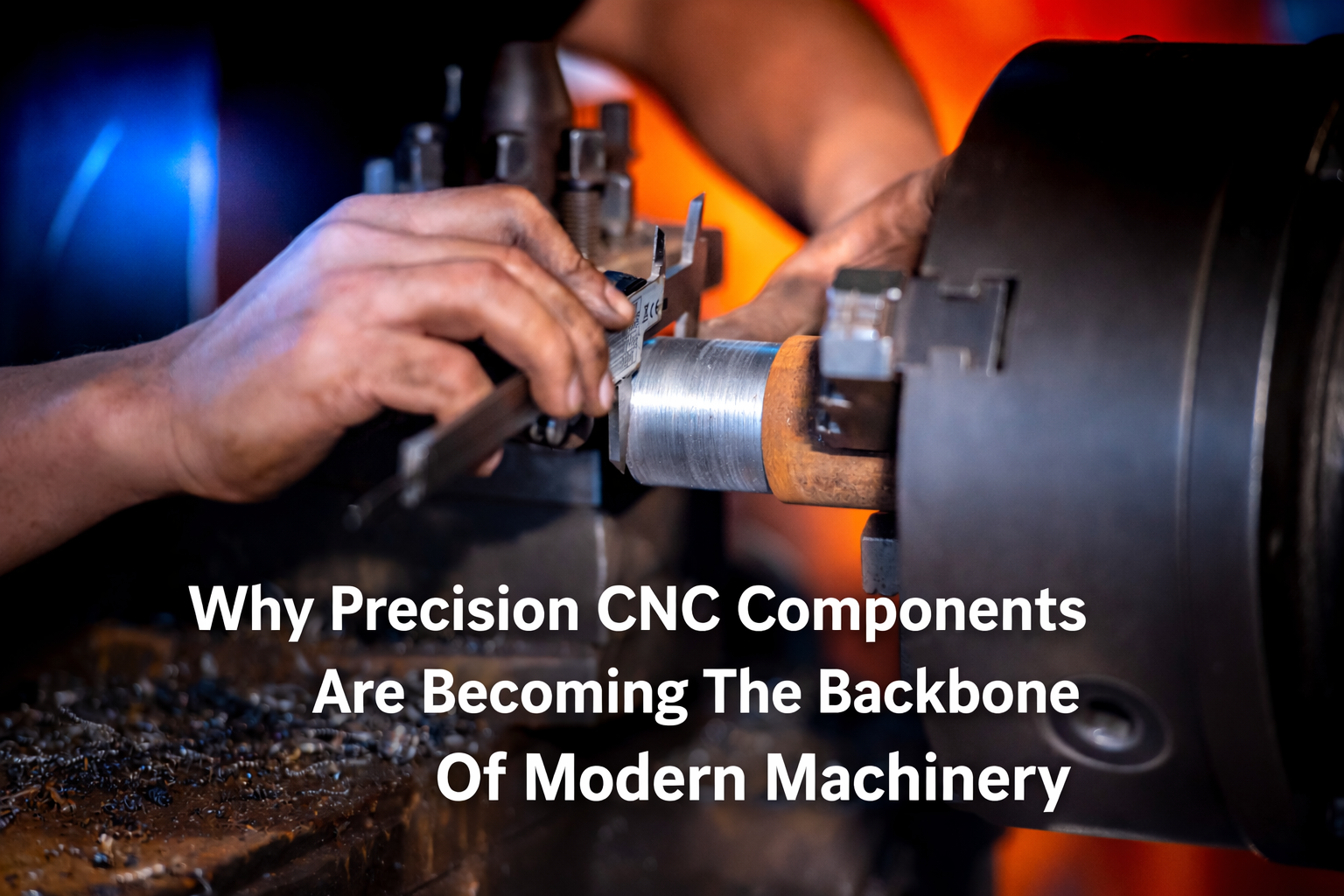
Inspection ensures accuracy. Manufacturers measure every component before dispatch.
Common tools include:
- Vernier calipers
- Micrometers
- Plug gauges
- Ring gauges
- Pin gauges
- Height gauges
These tools help CNC Turned Components Manufacturers maintain consistent quality.
The Growing Demand for CNC Turned Components in India
India has become an important manufacturing base. Many companies now source CNC Turned Components in India for engineering projects.
The country offers strong machining expertise and modern manufacturing facilities. Many suppliers support both large production volumes and custom components.
This flexibility helps businesses maintain consistent quality and production efficiency.
Conclusion
Precision engineering plays a major role in modern machines. Equipment built with high-quality CNC Turned Components performs better and lasts longer.
Industries continue to demand accurate and reliable parts. This keeps the role of CNC Turned Components Manufacturers important.
The manufacturing ecosystem for CNC Turned Components in India continues to grow. Companies including Ganesh Precision Industries support this growth by producing precision components used in modern machinery.