
Modern manufacturing depends on accuracy and consistency. Machines must work smoothly and deliver the same results every day. Even a small mistake in a component can affect how a machine works. A slight change in size can create friction, vibration, or poor alignment. When this happens, machines may lose efficiency or stop working earlier than expected.
Because of this, Precision Turned Components play a major role in manufacturing. These parts are made with exact measurements and strict control. Their accuracy helps machines run correctly and maintain steady performance. Many industries depend on reliable precision turned components manufacturers to provide parts that meet technical requirements.
What Are Precision Turned Components
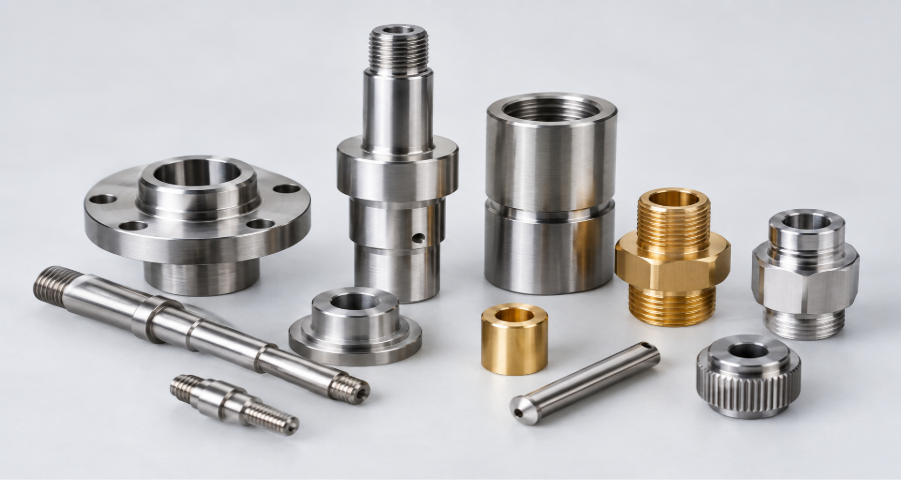
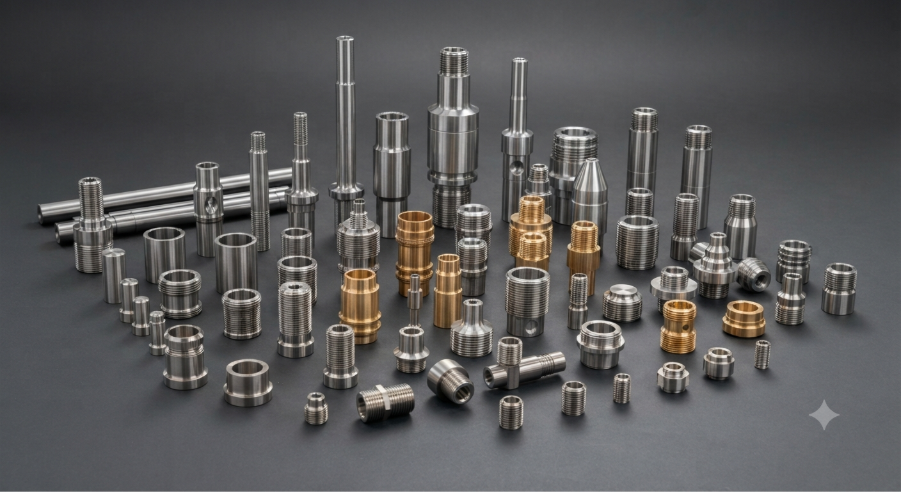
Precision Turned Components are mechanical parts created through a turning process. In this process, a metal bar rotates while a cutting tool shapes it into the desired form. The machining continues until the component reaches the correct size and design.
The main purpose of turning is accuracy. Each component must match the measurements shown in the engineering drawing. Even a very small difference can prevent a part from fitting correctly inside a machine.
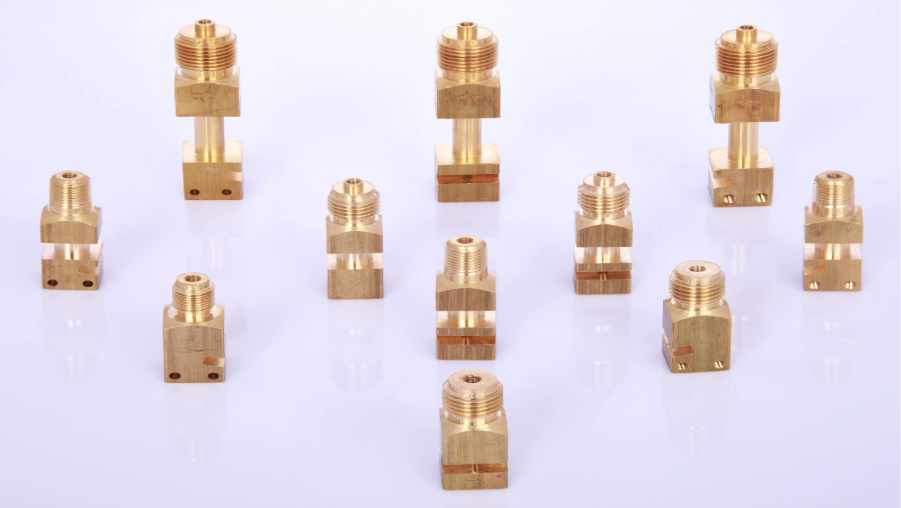
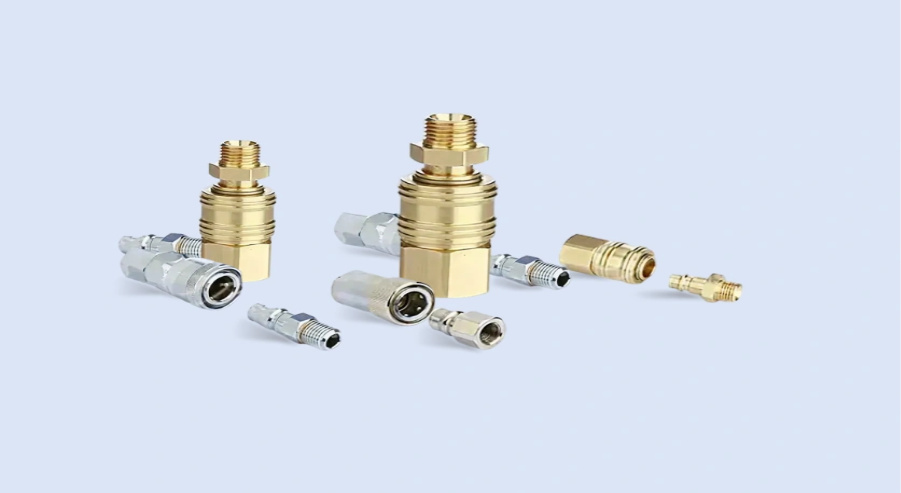
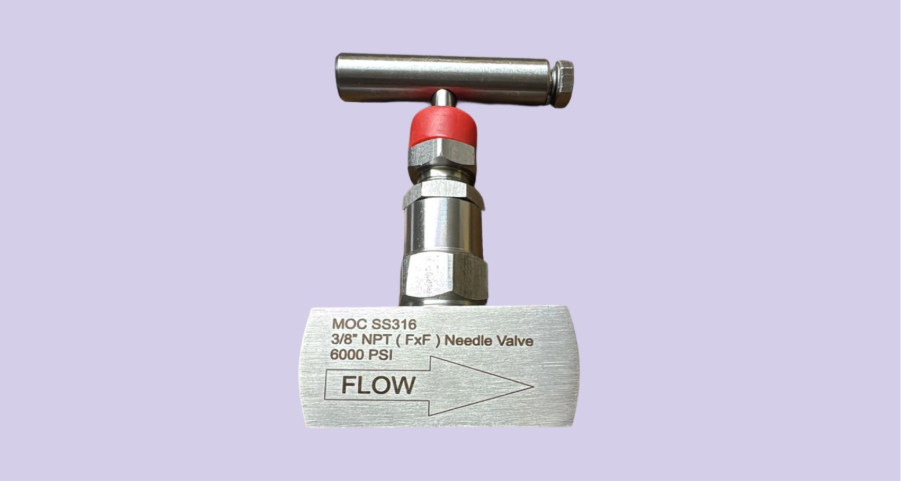
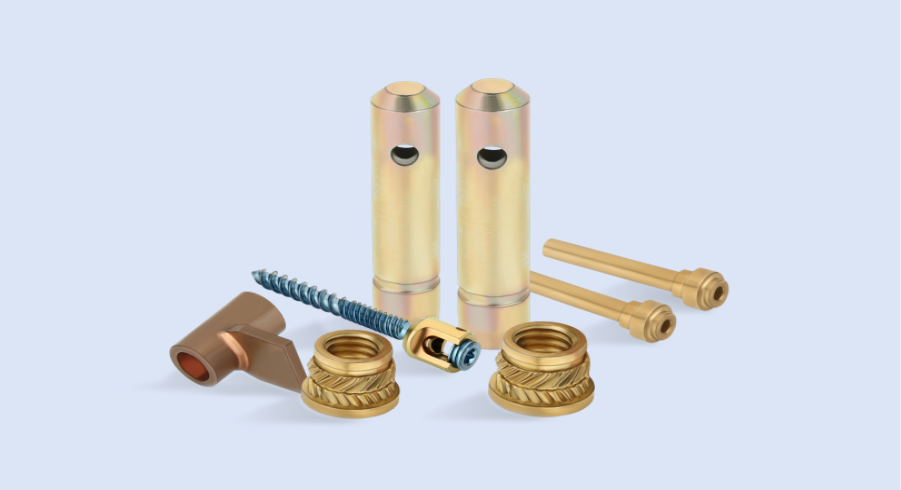
Manufacturers produce Precision Turned Components using metals like stainless steel, aluminium, brass, and carbon steel. The material depends on the strength and durability needed for the application.
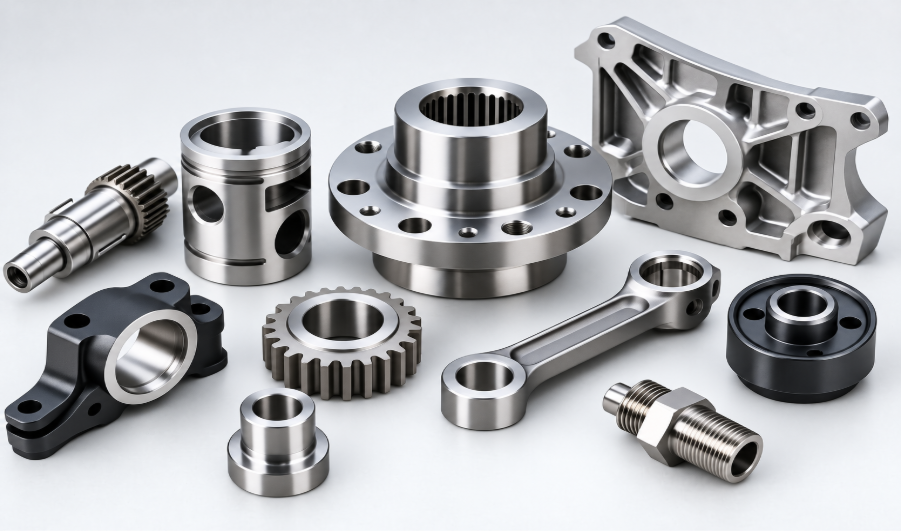
These components are used in many industries. Automotive systems require accurate parts for engines and gear assemblies. Industrial machines depend on strong components to keep production running. Electronic equipment also uses precise mechanical parts for stable performance.
Because these components are important for machine operation, businesses prefer working with trusted precision turned components manufacturers that maintain reliable machining standards.
How CNC Turning Improves Accuracy
CNC turning has improved precision manufacturing. CNC machines follow programmed instructions that guide cutting tools during the machining process. This technology helps maintain accurate measurements throughout production.
With CNC machines, manufacturers can produce Precision Turned Components with high repeatability. Once the machining program is ready, the machine can produce identical components many times. Each part follows the same measurements and shape.
Automation also increases production speed. CNC machines reduce manual work and allow manufacturers to produce components faster. This helps businesses meet production demands while maintaining quality.
Another benefit of CNC machining is tight tolerance control. Machines keep measurements within the limits defined by the design. This helps ensure that every component matches the required engineering standards.
Because of these advantages, industries often choose experienced precision turned components manufacturers that use CNC technology for reliable machining results.
Why Precision Matters in Manufacturing
Precision is essential for reliable machine performance. Mechanical systems require components that fit together properly. When parts are not accurate, machines may face several problems.
Misaligned parts can cause vibration during operation. Friction between moving components may increase. Over time, these problems can damage equipment and reduce productivity.
High-quality Precision Turned Components help prevent these issues. Accurate components maintain correct alignment inside mechanical systems. This helps machines operate smoothly and safely.
Precision also improves reliability. Machines built with accurate parts experience fewer breakdowns. This reduces maintenance needs and helps businesses maintain continuous production.
Because of these advantages, industries continue to depend on skilled precision turned components manufacturers that deliver dependable machining quality.
Quality Control in Precision Manufacturing
Quality inspection is an important step in precision machining. Manufacturers must confirm that every component meets the required dimensions.
Inspection tools measure important features of Precision Turned Components. These tools check the size and shape of the finished part. The results help confirm that the component matches the design specification.
Quality checks also maintain consistency across production batches. When every component follows the same standard, machines operate more reliably.
Strong inspection practices allow manufacturers to maintain stable machining accuracy and dependable product quality.
Precision Manufacturing in Mumbai
Mumbai has become a strong center for engineering production. Many companies source Precision Turned Components Mumbai suppliers because of their machining experience and technical capability.
Businesses looking for Turned Components Manufacturers Mumbai often evaluate suppliers based on their machines, production methods, and quality systems. Reliable manufacturers help maintain steady production and consistent component performance.
Manufacturers producing Precision Turned Components Mumbai supply parts for automotive equipment, industrial machines, and electronic products. Their work supports many industries that depend on accurate mechanical components.
Conclusion
Precision machining remains a key part of modern manufacturing. Machines perform better when their components match exact engineering requirements.
Precision Turned Components help maintain alignment, reduce wear, and improve machine reliability. Accurate parts allow equipment to run smoothly and maintain consistent output.
Industries continue to rely on trusted precision turned components manufacturers for parts that meet strict standards. The demand for Precision Turned Components Mumbai continues to grow as manufacturing expands.
Manufacturers working in this field support modern industrial systems, including Ganesh Precision Industries, which contributes to the production of precision components used in engineering and manufacturing applications.