In modern manufacturing, even the smallest components can determine the success of a product. Discover how precision turned components are transforming efficiency, accuracy, and reliability across industries.
Modern manufacturing faces increasing pressure to deliver high-quality products faster and more efficiently. Every assembly, machine, or device depends on components that meet exact specifications and maintain consistent performance.
Standard parts often fail to meet these rigorous demands, leading to production delays, errors, or costly rework. Manufacturers need solutions that ensure both precision and reliability.
Precision turned components address these challenges by providing exact dimensions, superior material handling, and consistent performance. From automotive to medical equipment, these components play a crucial role in modern manufacturing workflows.
What Are Precision Turned Components?
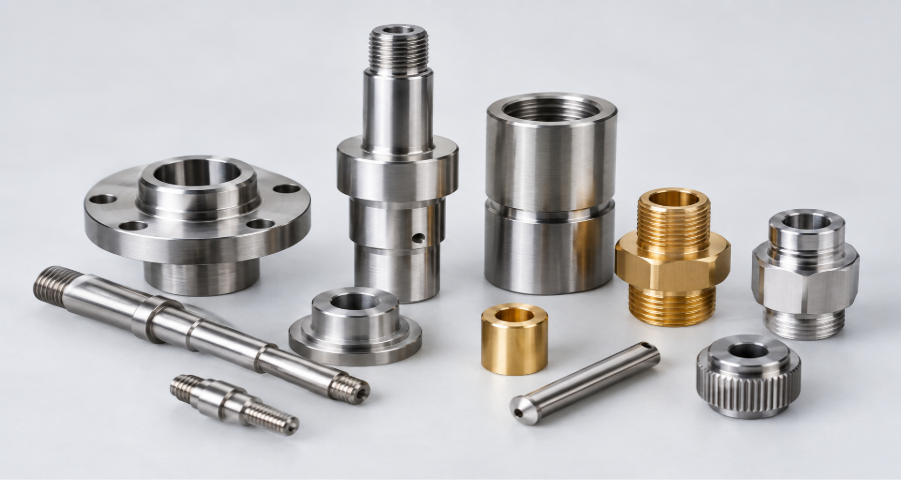
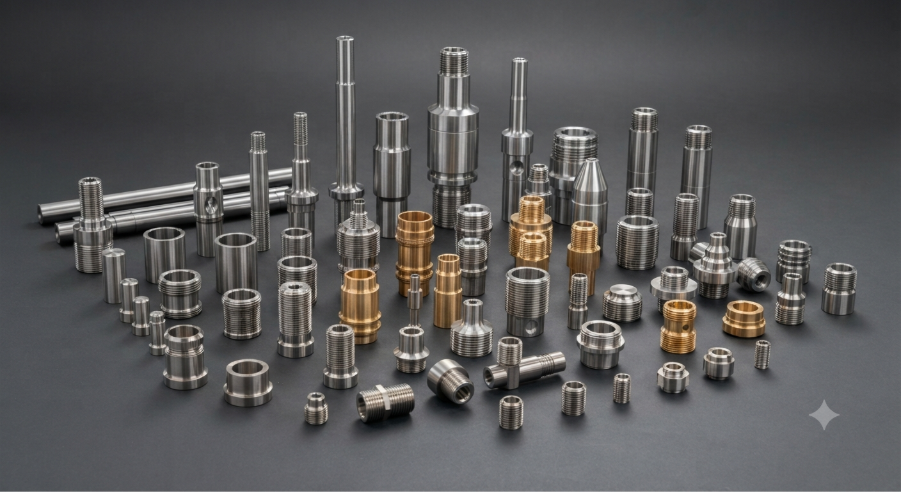
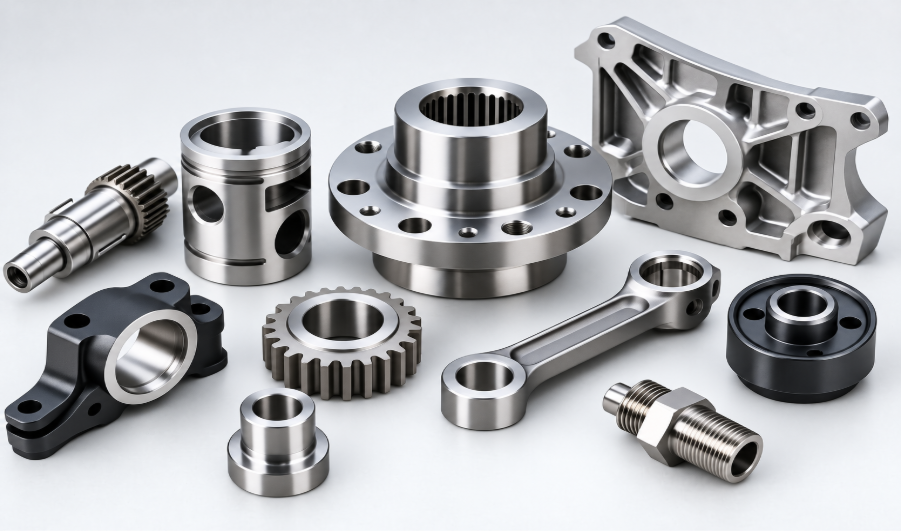
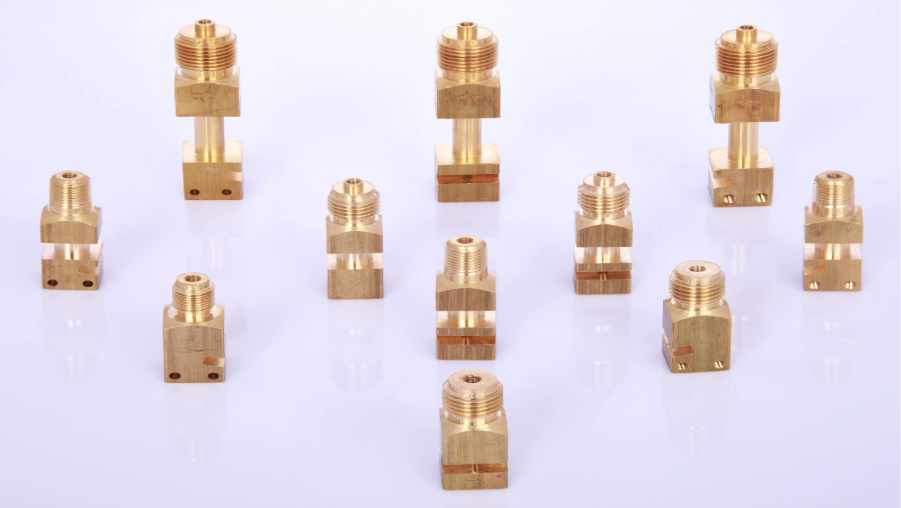
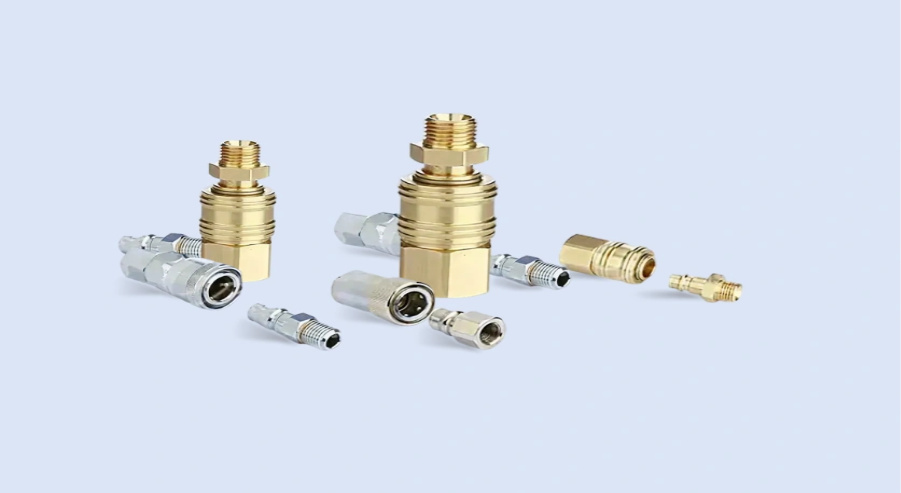
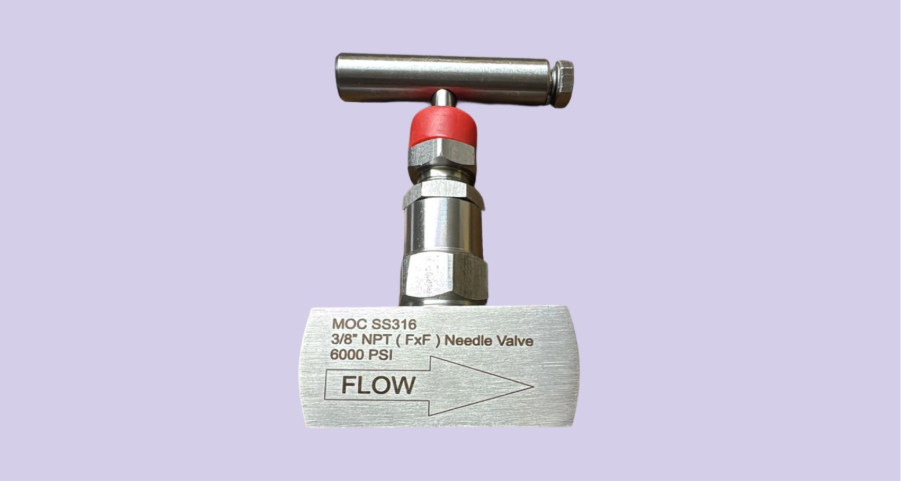
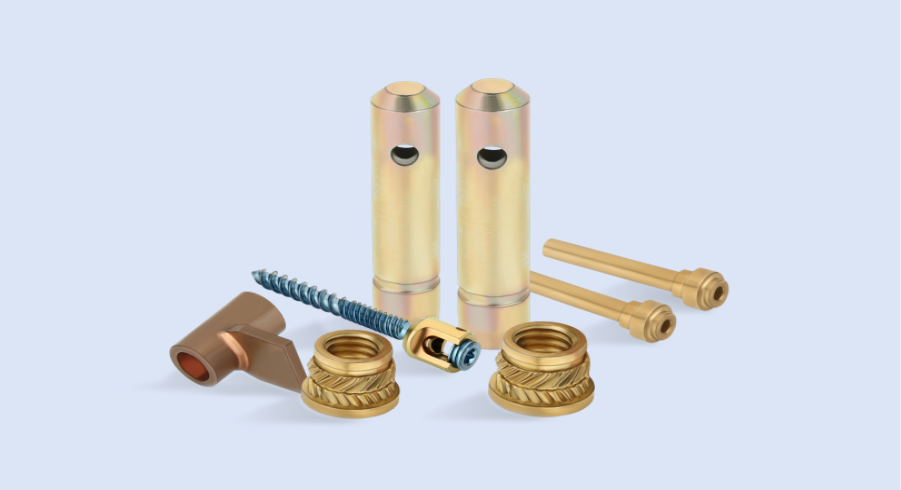
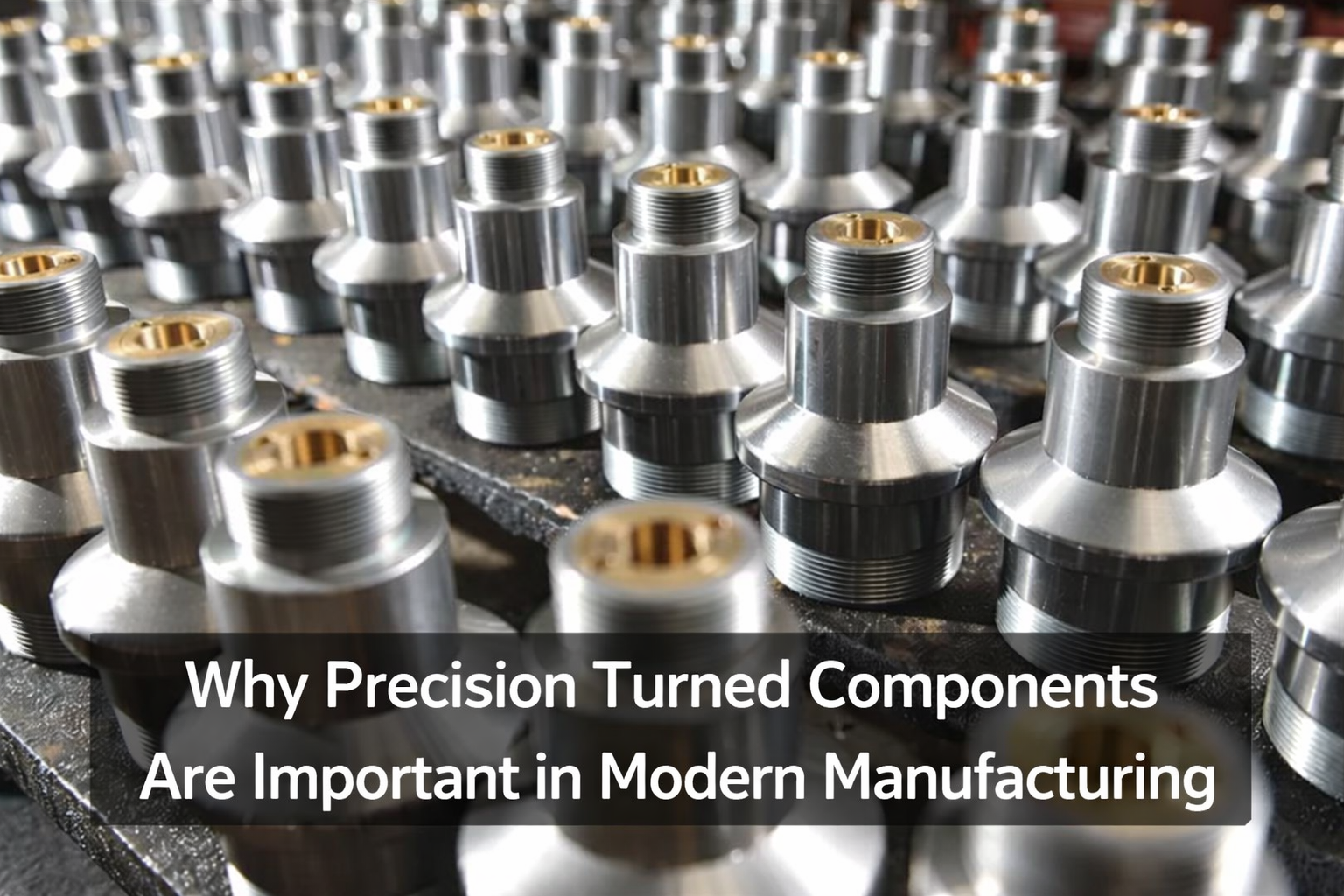
Precision turned components are specialized mechanical parts manufactured to meet strict dimensional tolerances. These components are produced using advanced turning processes, typically on CNC lathes, to ensure accuracy and repeatability in every piece.
- Created from materials like stainless steel, brass, aluminium, and engineering plastics
- Used in industries such as automotive, aerospace, medical devices, and industrial machinery
- Designed to meet high-performance standards and critical application requirements
Unlike standard components, precision turned components ensure repeatable accuracy and superior quality. Their exactness makes them indispensable for smooth production processes and high-performing assemblies.
Key Advantages of Precision Turned Components
Modern manufacturers rely on precision parts for efficiency, quality, and performance. Using high-quality components reduces errors, enhances productivity, and improves operational efficiency.
- High Accuracy & Tight Tolerances: Each component meets exact specifications, ensuring proper fit and function in assemblies.
- Consistency Across Batches: Uniform components reduce variability, errors, and rework.
- Material Efficiency: Precision turning optimizes material usage and minimizes waste.
- Durability & Performance: Components are robust and capable of withstanding demanding industrial conditions.
These advantages make precision components a critical factor in modern manufacturing. Reliable parts ensure smooth production and consistent output quality.
Applications in Modern Manufacturing
Industries such as automotive, aerospace, and medical equipment rely on precision turned components in Mumbai to maintain accuracy and performance in critical applications.
| Industry | Use of Precision Turned Components |
| Automotive | Engine parts, transmission components, fuel system elements |
| Aerospace & Defence | Landing gear assemblies, actuators, high-tolerance parts |
| Medical Devices | Surgical instruments, diagnostic tools, implants |
| Industrial Machinery | Pumps, valves, bearings, and precision machinery assemblies |
These applications demonstrate that high-quality components are essential to maintaining operational excellence. They help industries meet tight production schedules and stringent performance standards.
Innovations and Future Trends in Precision Turned Components
The manufacturing landscape is constantly evolving, and precision turned components are no exception. New technologies and materials are pushing the boundaries of what these components can achieve.
- Adoption of advanced CNC machines for faster, more precise production
- Use of lightweight, high-strength alloys for demanding applications
- Integration with automation and smart manufacturing systems
Staying updated on innovations ensures that manufacturers can leverage the latest precision components for efficiency, performance, and competitiveness. These trends highlight how precision turning continues to shape modern manufacturing.
Quality Assurance in Precision Turned Components
In manufacturing, even the most accurate components can fail if quality standards aren’t consistently met. Rigorous quality assurance processes ensure that every precision turned component performs flawlessly in its intended application.
- Inspection of dimensions and tolerances at multiple stages
- Material testing to ensure durability and compliance
- Continuous monitoring to detect any deviations before delivery
Implementing robust quality checks gives manufacturers confidence that each component meets exact specifications. Reliable quality assurance minimizes errors and strengthens trust in production outcomes.
Selecting the Right Manufacturer
Ensuring your production line runs smoothly starts with selecting precision turned components manufacturers you can trust. A skilled provider can handle diverse materials, complex designs, and tight tolerances.
- Proven Technical Expertise: Advanced CNC machinery and skilled engineers ensure superior output.
- Material & Tolerance Flexibility: Ability to work with multiple materials and maintain precision.
- On-Time Delivery & Quality Assurance: Minimizes production delays and reduces errors.
Partnering with reliable turned components manufacturers in Mumbai ensures that every part contributes to operational efficiency. The right manufacturer is key to achieving production consistency and high-quality results.
Turning Precision into Manufacturing Success
Precision turned components have become indispensable in modern manufacturing. Their accuracy, consistency, and durability help industries meet the growing demands for high-quality products while reducing production inefficiencies.
At Ganesh Precision, we specialise in delivering high-quality components that meet the exacting standards of various industries. With our advanced machinery, skilled workforce, and commitment to quality, we ensure that every component supports your manufacturing goals. We take pride in providing reliable solutions that manufacturers can trust for efficiency, performance, and precision.
By incorporating precision turned components into production processes, manufacturers can elevate product quality, streamline operations, and maintain a competitive edge in the market. Choosing the right components and a trusted partner can make all the difference in achieving manufacturing excellence.