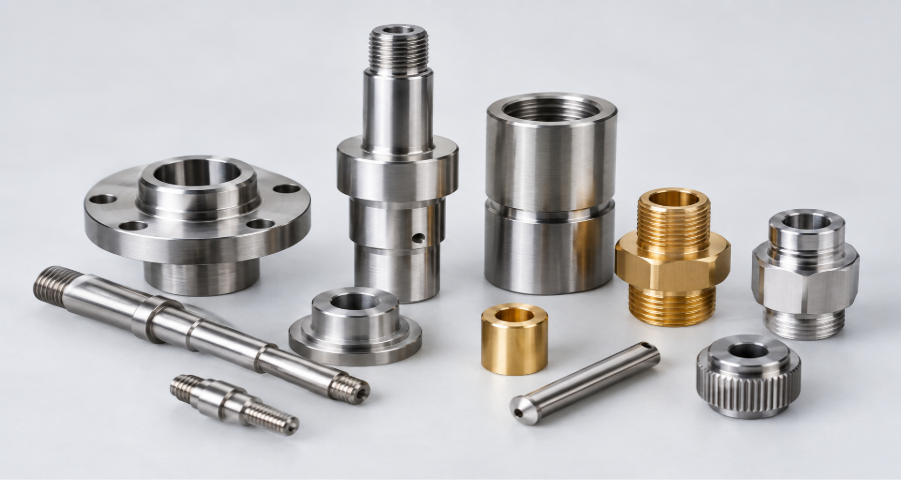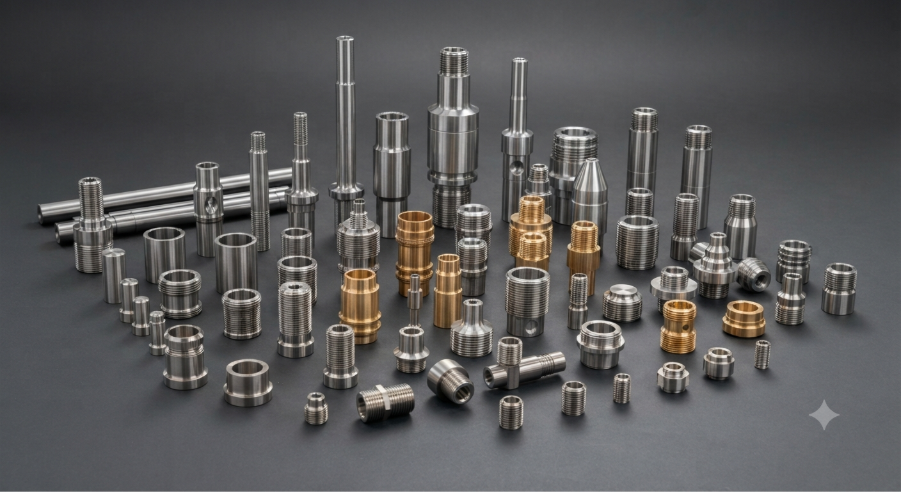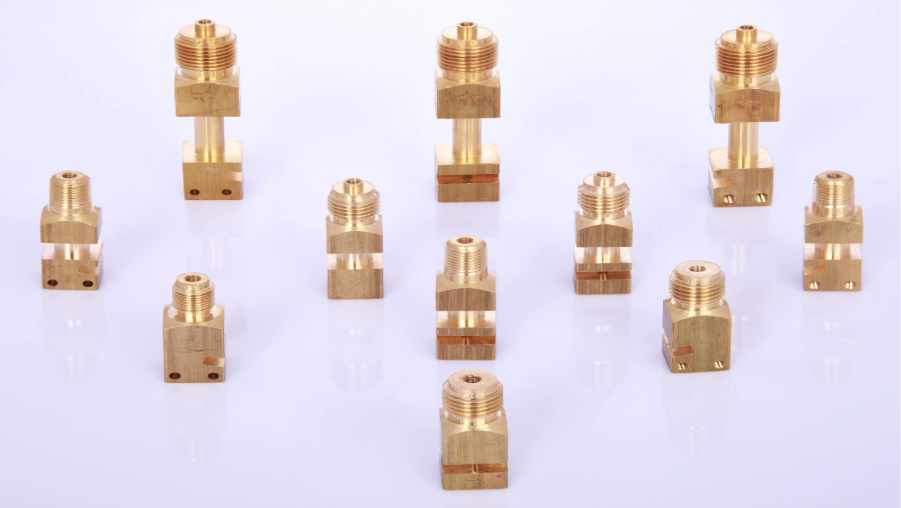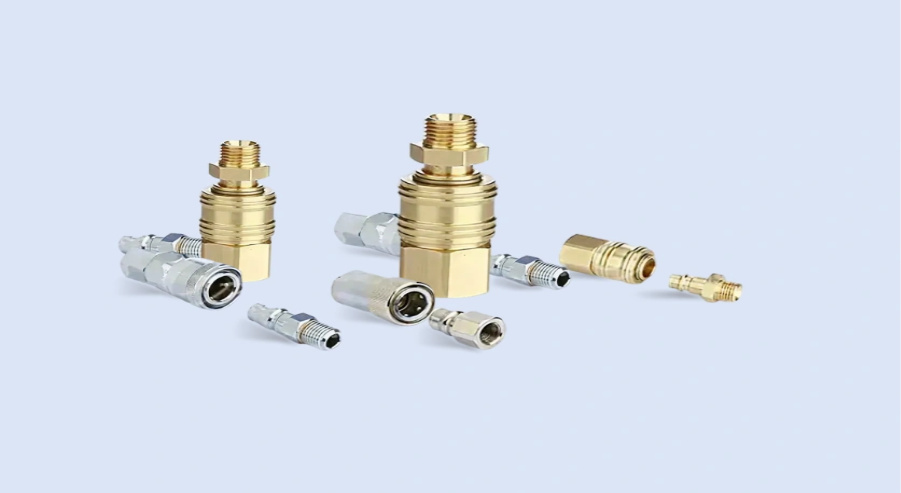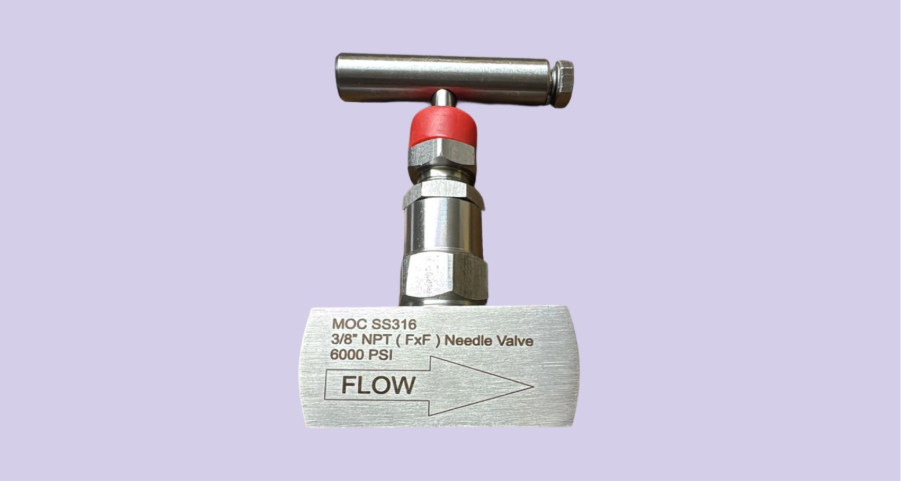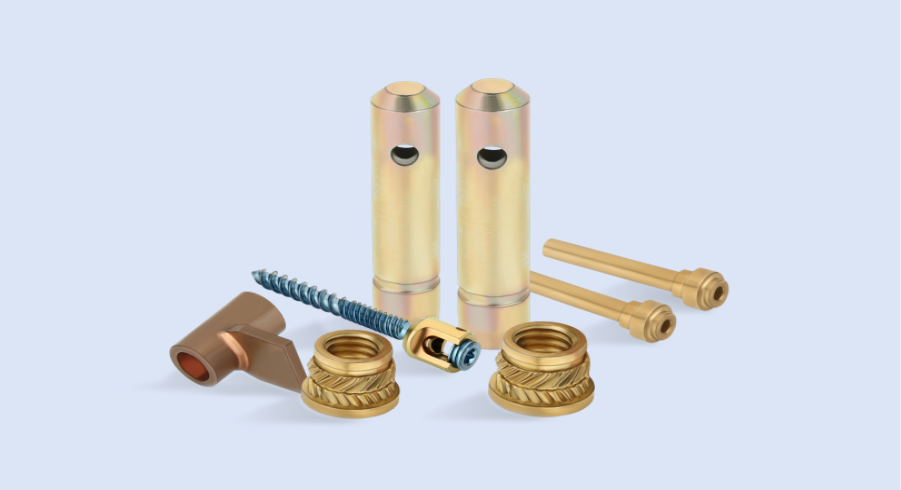
In the contemporary manufacturing environment, speed, precision, and consistency are key metrics for assessing product quality. In recent years, as the shift toward mechanical manufacturing and precision industries has progressed, traditional manufacturing processes have been replaced by CNC-based techniques. CNC turning-based manufacturing processes have emerged as the preferred method for producing complex, precision products.
Furthermore, CNC turning is a process in which raw materials, such as metal bars, are rotated, and cutting tools remove unwanted material until the desired shape is achieved. Unlike manual turning, CNC turning delivers accuracy based on programmed rules; for this reason, many industries today prefer to purchase raw materials from reliable CNC-turning part suppliers.
Why CNC Turned Components Are More Reliable Than Traditional Components
Traditionally, machining depends on human skills and operations. Machinists are often effective, but as production rates increase, precision cannot always be achieved reliably. With CNC machining, these problems are overcome, as precision is achieved with machine automation. Therefore, components produced by CNC component turning are more dimensionally accurate and have a better surface finish than conventionally manufactured counterparts.
A company that partners with experienced precision-turning components manufacturers can achieve consistent quality across each product batch, an essential factor in industries with high precision requirements, as any defective product is unacceptable.
Key Advantages of CNC Turned Components
- Improved Safety for Operators
Worker safety is a significant concern in any manufacturing system. The CNC machines are equipped with enclosures that protect workers from contact with rotating tools and other sharp parts. The coolant fluid and metal chips are also retained within the enclosure.
Such a controlled atmosphere makes CNC machining safer than conventional open machining, which exposes the machine operator to the proximity of cutting tools. Precision turned parts manufacturers invest in modern CNC machining centers to create safer workshop environments while still being efficient.
- Lower Labor Dependency and Cost Efficiency
In conventional machining, a single operator oversees a single machine. However, in CNC machining, a single operator can monitor multiple machines simultaneously. This is because the machines can be controlled by programming the tools’ paths. This minimizes the need for skilled personnel to handle repetitive processes and reduces running expenses. Companies ranging from precision-turned component manufacturers will benefit from lower production costs without compromising product quality.
- Greater Flexibility in Manufacturing Operations
CNC turning machines are capable of performing several operations, such as facing, drilling, threading, grooving, and tapering, simultaneously. This technology eliminates the need to shift parts between machines, as is typically required in traditional machining.
Using CNC technology, any design or dimensional changes can be easily accommodated by updating the software. Making these changes would make it easier for CNC-turning parts suppliers to meet clients’ evolving needs.
- Reduced Need for Trial Runs and Material Wastage
CNC also uses a CAD-CAM visualization system to simulate the machining process prior to production. This will help identify any faults in the machinery before production begins. Traditional machining methods lack visualization, which can lead to multiple test runs. By minimizing trial runs, CNC turning helps reduce scrap generation and optimize raw material usage, which is essential for cost management and sustainable practices.
CNC Turned Components in High-Precision Industries
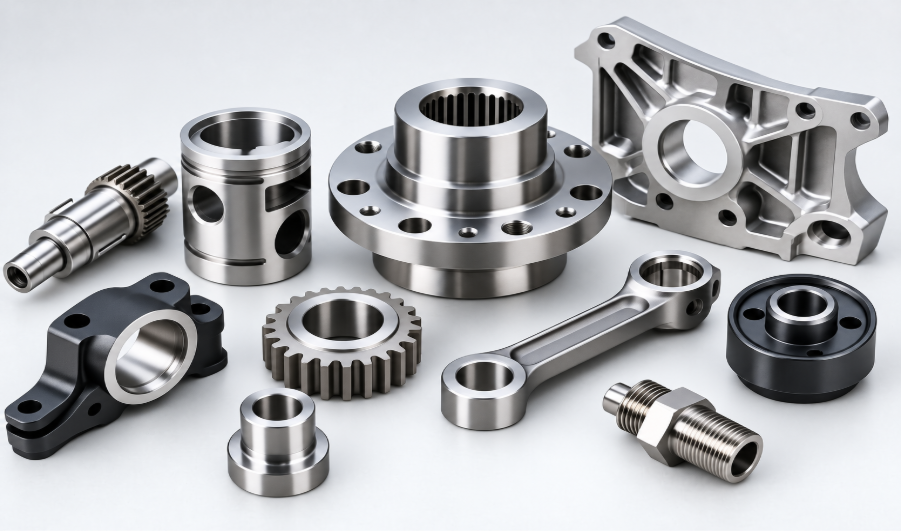
Industries such as automotive, medical equipment, and industrial machinery require components that meet strict dimensional and quality standards. Manufacturers also source parts from CNC auto parts manufacturers for applications that demand durability, tight tolerances, and high-volume production.
CNC turning enables manufacturers to produce consistent parts with smooth finishes, which are critical for assemblies involving moving components. Businesses that partner with established CNC auto parts suppliers benefit from stable quality and long-term performance of components in demanding applications.
Why CNC Turning Is the Smarter Choice for Modern Manufacturing
Traditional machining processes remain useful for specific jobs, but CNC turning offers advantages. This is because machining processes are becoming more competitive as competition intensifies, and the required quality is also higher.
With the help of experienced precision-turned parts manufacturers, organizations can produce components that meet industry standards, thereby improving production efficiency. With the advent of CNC technology, organizations can respond more effectively to change, thereby reducing waste and improving quality.
Ganesh Precision Industries is a trusted company in India for supplying high-quality CNC-turned components. The company utilizes sophisticated CNC machinery and established quality control procedures to provide businesses access to precision-engineered components. Several companies are seeking reliable providers of high-quality CNC-turned components.