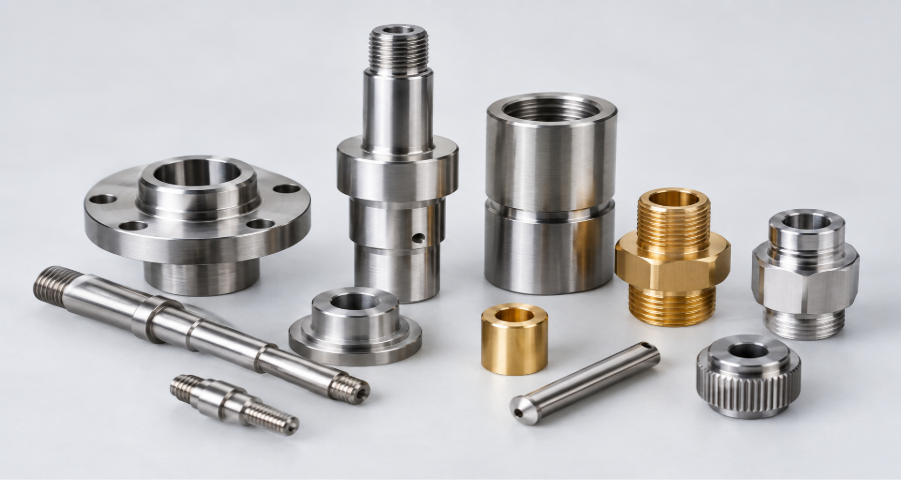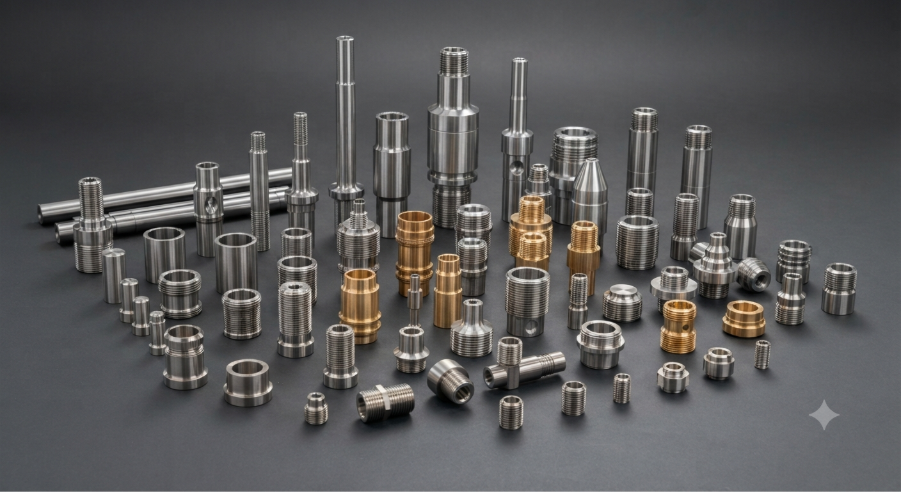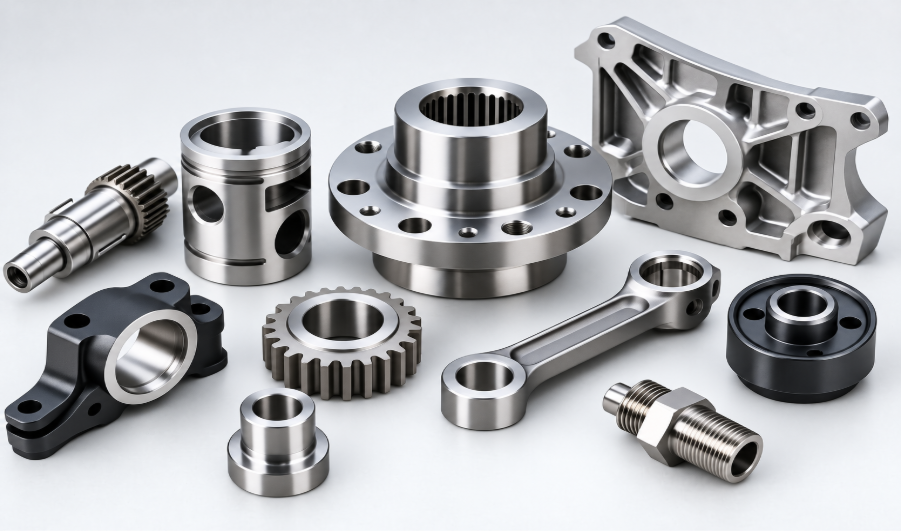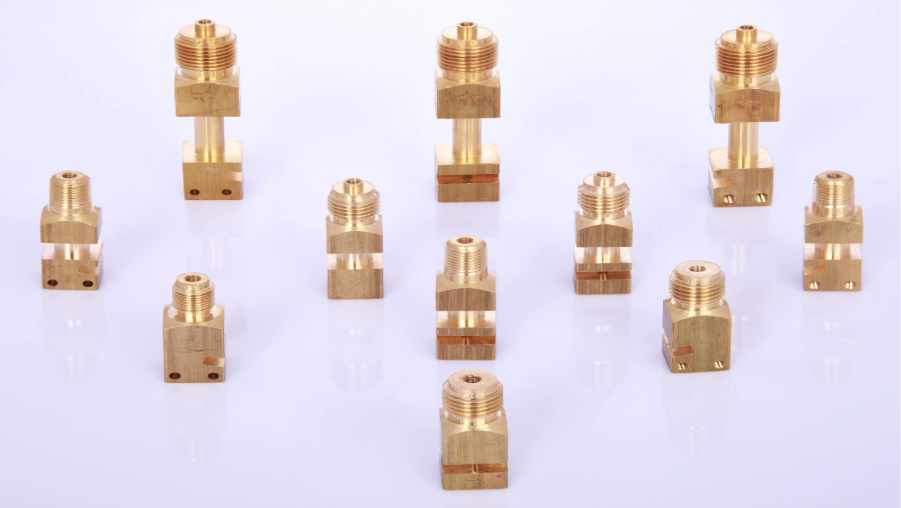
Brass is an alloy made of copper and zinc. It is widely used in many industries, especially in brass turned parts. Brass is durable, strong, and resistant to corrosion. These qualities make it ideal for various applications. This blog explores the main brass components and their advantages.
Key Takeaways
- Brass is a versatile alloy that combines copper and zinc.
- Brass parts manufacturers produce brass components that are durable and corrosion-resistant.
- Brass is used in a variety of industries for its machinability and strength.
- Different types of brass, like brass precision turned components, have unique benefits.
What is Brass and Its Components?
Brass is a metal made by combining copper and zinc. The ratio of copper to zinc can vary, creating different types of brass. Brass is known for its strength, resistance to corrosion, and attractive look. These features make brass ideal for use in many parts.
Brass is used in components like rods, sheets, and fittings. It is trusted in industries like construction, automotive, and electrical because it can withstand harsh conditions.
What Are the Advantages of Brass?
Brass has many benefits that make it a popular material in various industries. Here are the top five reasons why brass is used in manufacturing.
1. Superior Corrosion Resistance
Brass is resistant to corrosion. It does not rust easily, even when exposed to moisture, chemicals, or extreme weather. This makes brass perfect for parts that come in contact with these elements, like radiators, fuel systems, and engine components.
Brass parts last longer and perform better in tough environments. Their corrosion resistance ensures they stay functional for years.
2. Excellent Thermal and Electrical Conductivity
Brass conducts both heat and electricity very well. This property makes it ideal for use in electrical connectors, switches, and sensors. Brass components help manage heat and prevent overheating in electrical systems.
This conductivity is also crucial in systems that require efficient heat transfer, like radiators and HVAC systems.
3. Durability and Strength
Brass is known for its durability. It can handle a lot of mechanical stress without breaking. It is also flexible enough to be shaped into precise parts. Brass parts manufacturers create components that remain strong under pressure, such as brake fittings, valve stems, and fasteners.
Brass can withstand wear and tear, making it reliable for long-term use in automotive and industrial systems.
4. Lightweight and Cost-Effective
Brass is lighter than metals like steel. This makes it ideal for applications where reducing weight is important, such as in the engine and suspension systems. Lighter vehicles are more fuel-efficient.
Brass is also cost-effective. Though it may be more expensive initially, it lasts longer and requires less maintenance. Brass parts manufacturers create durable components that provide great value for money.
5. Eco-Friendly and Recyclable Material
Brass is fully recyclable. Using recycled brass helps reduce the need for raw materials and lowers environmental impact. The recycling process for brass is energy-efficient, making it a sustainable choice for manufacturers.
Brass helps the automotive and other industries meet their sustainability goals by reducing waste and conserving energy.
Key Brass Components and Their Uses
Brass is used in many different forms for various applications. Below are some of the most common brass components:
Brass Rods
Brass rods are used in a wide range of applications. They are strong, resistant to corrosion, and easy to machine. These rods are used in parts like fasteners, valves, and gears.
Brass Sheets
Brass sheets are used in decorative and architectural applications. These sheets have both aesthetic appeal and durability, making them a popular choice for items like signage and trim.
Brass Tubes
Brass tubes are widely used in plumbing and heating systems. They have excellent thermal conductivity and resistance to corrosion, making them ideal for use in heat exchangers and radiators.
Brass Fittings
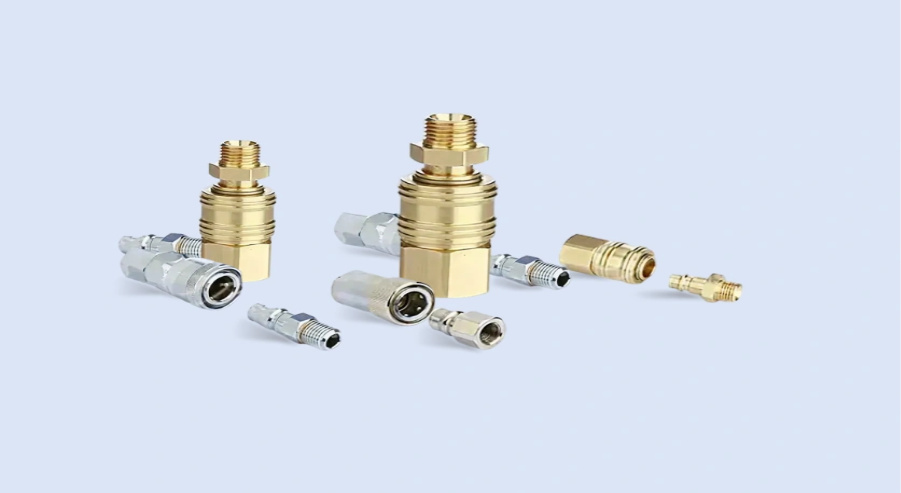
Brass fittings are essential in plumbing and electrical systems. These fittings help create leak-proof, durable connections. They are used in many critical systems, ensuring reliability and safety.
Brass Valves
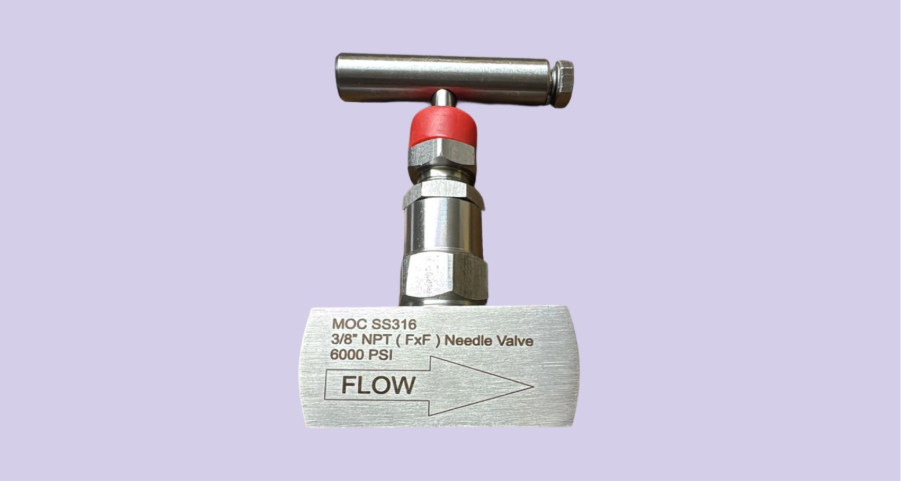
Brass valves are used in fluid control systems. They are known for their reliability and long life. Brass valves are essential for controlling water, gas, and oil in various systems.
Brass Fasteners
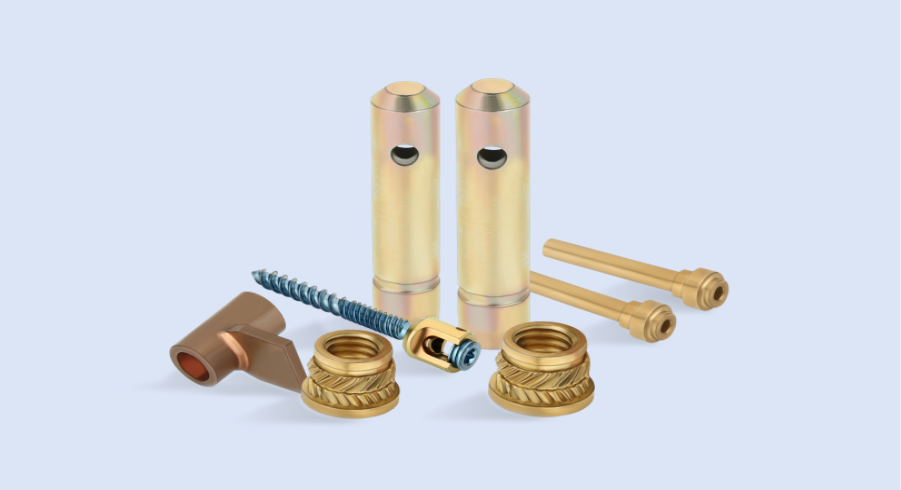
Brass fasteners include screws, nuts, and bolts. These parts are used in many applications due to their resistance to corrosion and attractive finish.
Brass Electrical Components
Brass is commonly used for electrical components like connectors and terminals. It’s an excellent conductor of electricity, making it ideal for components that need to carry electrical current.
Different Types of Brass and Their Applications
Brass comes in several types, each designed for specific needs. Here are some common types:
Free Cutting Brass
Free cutting brass contains a small amount of lead, making it easier to machine. This type of brass is used for precision parts like gears and valves.
High Tensile Brass
High tensile brass has additional elements like iron, which make it stronger. It is used in heavy-duty applications like marine hardware and pump shafts.
Admiralty Brass
Admiralty brass contains tin, which increases its resistance to corrosion. It is used in naval applications and heat exchangers.
Muntz Metal
Muntz metal has higher zinc content and is used in ship hulls and architectural panels. It is resistant to corrosion and offers strength.
Aluminum Brass
Aluminum brass contains aluminum, improving strength and resistance to corrosion. It is used in automotive applications and condenser tubes.
Lead-Free Brass
Lead-free brass is used in systems where lead is not allowed, like drinking water systems and food equipment. It is an eco-friendly alternative.
Conclusion
Brass is a highly durable and versatile material. Its resistance to corrosion, strength, and conductivity make it ideal for a wide range of applications. From brass rods and sheets to brass valves and fittings, brass components are essential in many industries.
Choosing the right brass component can improve efficiency and product longevity. Understanding the different types of brass and their uses is important for selecting the best material for your needs.
For high-quality brass components, working with experienced manufacturers like Ganesh Precision Industries ensures you receive precision-engineered parts that meet your requirements.