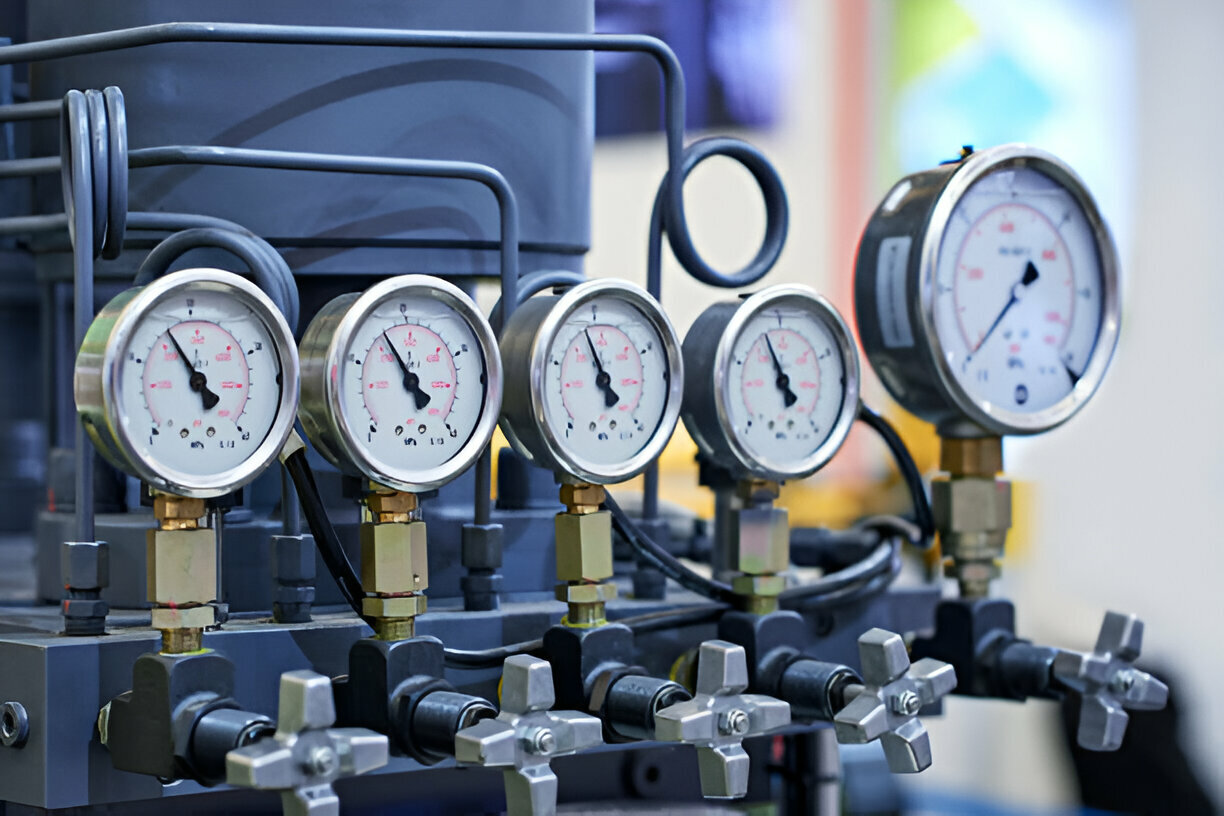
Pressure gauges are small devices, but they play a big role in industrial systems. In many factories, a simple pressure issue can slow production, damage equipment, or affect product quality. This is why industries use reliable pressure monitoring systems in daily operations.
From compressors and hydraulic machines to HVAC systems and pipelines, accurate pressure control helps machines perform safely and efficiently. High-quality pressure gauge parts also help reduce sudden breakdowns and maintenance issues.
Today, many industries prefer working with experienced pressure gauge manufacturers because reliable gauges improve both safety and machine life.
Why Pressure Gauges Are Important
Industrial machines often work under controlled pressure conditions. If the pressure becomes too high or too low, the system may stop working properly.
Pressure gauges help operators monitor these changes in real time. This makes it easier to identify problems before they affect production.
Many industries use pressure gauges to:
- Maintain machine stability
- Improve operational safety
- Reduce equipment damage
- Monitor fluid and gas pressure
- Improve production efficiency
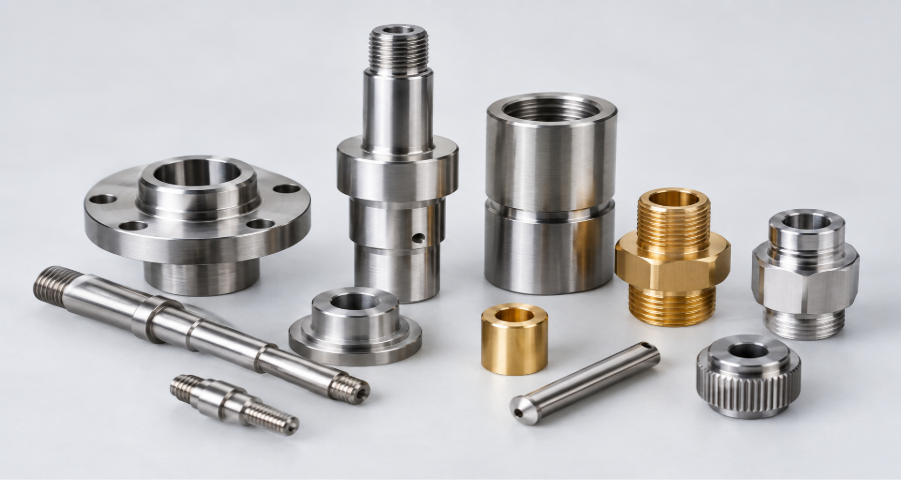
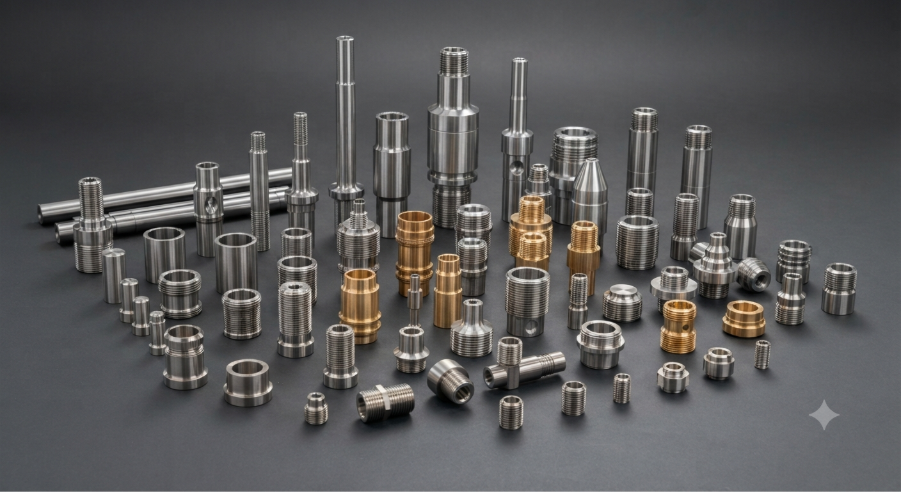
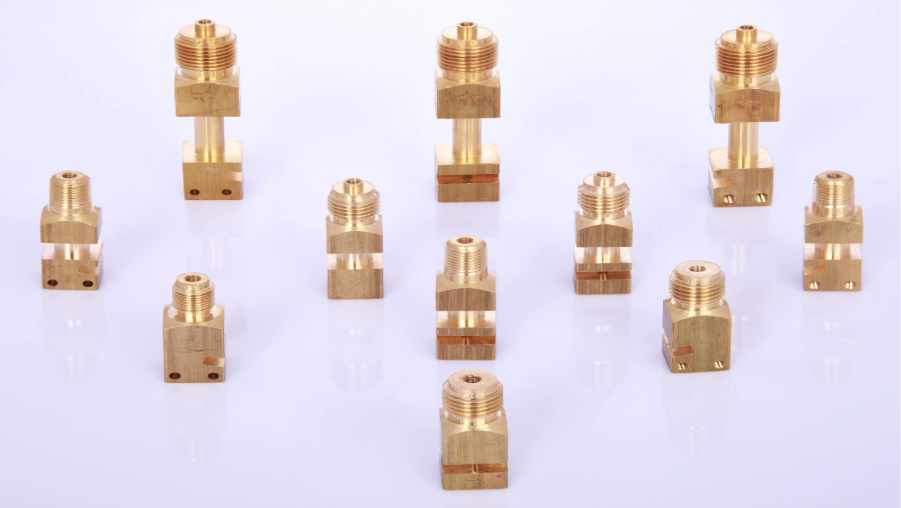
Reliable pressure gauge parts help maintain consistent readings during continuous operations.
Different Types of Pressure Gauges
Not every industry uses the same type of pressure gauge. The right gauge depends on the working environment, pressure range, and machine application.
Bourdon Tube Pressure Gauge
This is one of the most widely used pressure gauges in industrial applications.
It works with a curved metal tube that reacts when pressure changes inside the system. The tube movement then controls the needle on the dial.
Many pressure gauge manufacturers produce Bourdon tube gauges because they are durable and suitable for heavy industrial use.
Diaphragm Pressure Gauge
Diaphragm gauges use a flexible metal diaphragm to measure pressure changes.
These gauges are commonly used in low-pressure systems and sensitive applications where stable readings are important.
Good-quality pressure gauge parts help diaphragm gauges provide accurate and smooth pressure measurement.
Digital Pressure Gauge
Digital pressure gauges use electronic sensors instead of mechanical movement.
Many industries now prefer digital gauges because they provide:
- Clear readings
- Better monitoring
- Higher accuracy
- Faster response time
Digital systems are often used in modern production environments where accurate monitoring is important.
Differential Pressure Gauge
Differential gauges measure the pressure difference between two points inside a system.
These gauges are commonly used in:
- Filtration systems
- Cooling units
- Air handling systems
- Industrial processing equipment
Trusted pressure gauge manufacturers often supply differential gauges for process industries and HVAC applications.
Absolute Pressure Gauge
Absolute pressure gauges measure pressure against a vacuum reference.
These gauges are mostly used in laboratories and specialized industrial systems where precision is critical.
How Pressure Gauges Work
Pressure gauges work by converting pressure into a readable value.
Mechanical gauges use components such as:
- Bourdon tubes
- Capsules
- Diaphragms
These components move when pressure changes occur inside the system. The movement then appears as a pressure reading on the dial.
Digital gauges use sensors to detect pressure electronically. The reading is then displayed on a digital screen.
High-quality pressure gauge parts help improve accuracy and long-term performance.
Where Pressure Gauges Are Commonly Used
Pressure gauges are used in many industries because pressure control affects both safety and machine performance.
Manufacturing Plants
Factories use pressure gauges to monitor pumps, boilers, compressors, and production machinery.
HVAC Systems
HVAC systems use pressure gauges to maintain airflow and cooling performance.
Automotive Industry
Vehicles use pressure gauges to monitor:
- Oil pressure
- Fuel pressure
- Tire pressure
Proper pressure monitoring helps improve vehicle safety and engine performance.
Hydraulic Machines
Hydraulic systems require stable fluid pressure for smooth operation. Pressure gauges help operators monitor pressure during machine use.
Medical Equipment
Medical gas systems and oxygen equipment also use pressure gauges for safe pressure control.
Important Things to Check Before Buying a Pressure Gauge
Choosing the correct pressure gauge is important for both machine safety and production performance.
Before selecting a gauge, businesses should check:
Pressure Capacity
The gauge should support the required pressure range without affecting performance.
Accuracy Level
Industries that require precise readings often prefer digital gauges.
Working Conditions
Dust, moisture, and chemicals can affect gauge performance. Sealed gauges work better in harsh environments.
Material Quality
Gauge materials should match the gas or liquid used in the system.
Readability
Larger dials and clear displays make pressure readings easier during operations.
Experienced pressure gauge manufacturers can help businesses choose the right pressure monitoring solution for different industrial applications.
Conclusion
Pressure gauges are an important part of modern industrial systems. They help businesses monitor pressure, improve safety, and maintain machine performance.
Using reliable pressure gauge parts also helps reduce equipment failure and operational downtime. For industries searching for trusted pressure gauge manufacturers and durable pressure monitoring solutions, Ganesh Precision Industries provides precision-engineered products designed for modern industrial requirements.