In manufacturing, precision, speed, and cost-effectiveness are key to creating high-quality parts. Two common methods of machining are CNC machining and conventional machining. While both methods shape and cut materials, they differ in techniques, precision, and use cases. In this blog, we’ll explore the key differences between CNC machining and conventional machining.
What is CNC Machining?
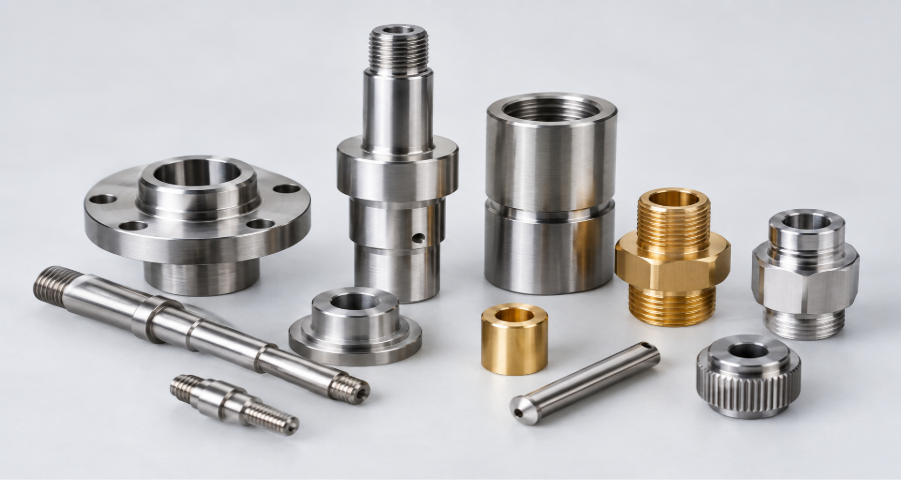
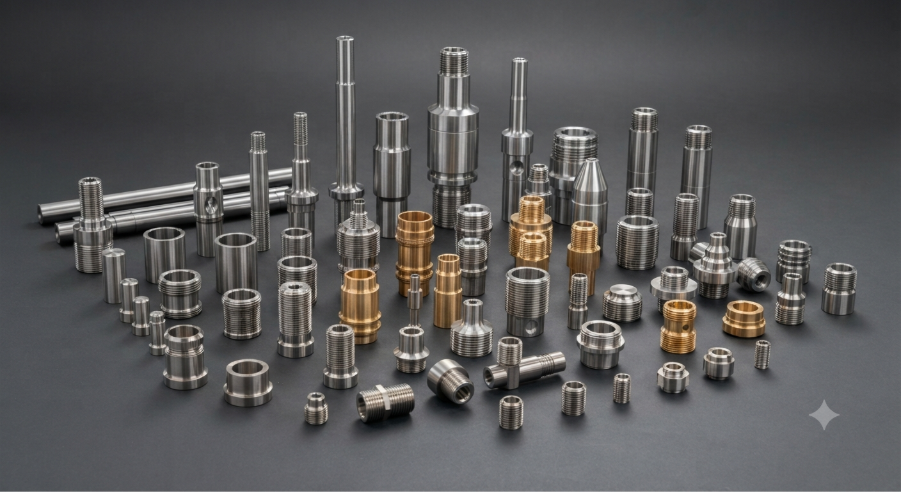
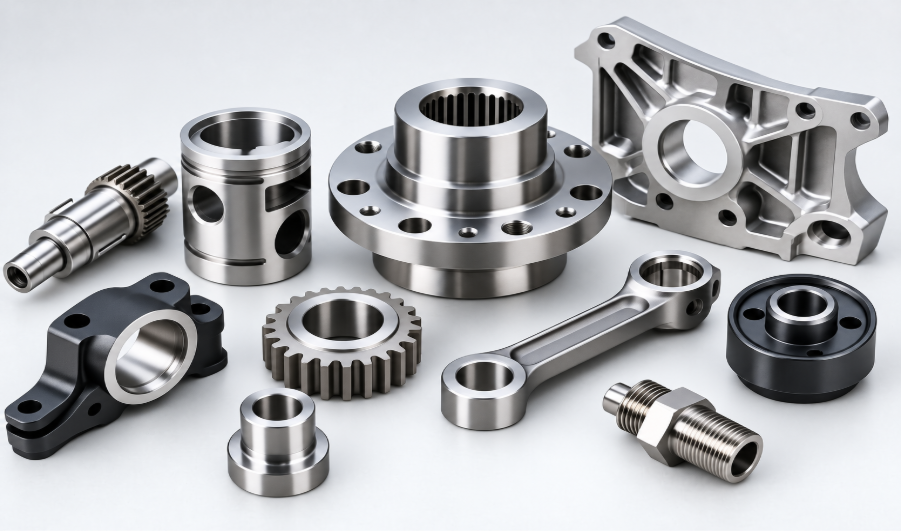
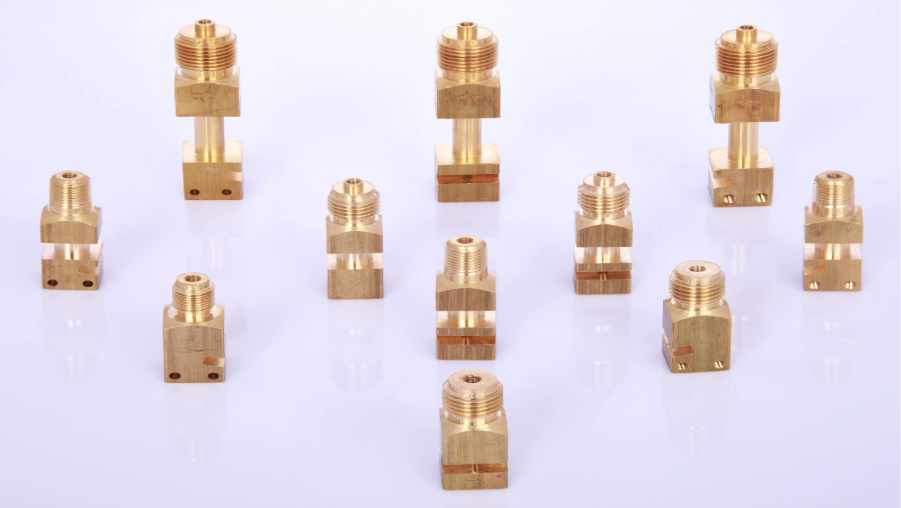
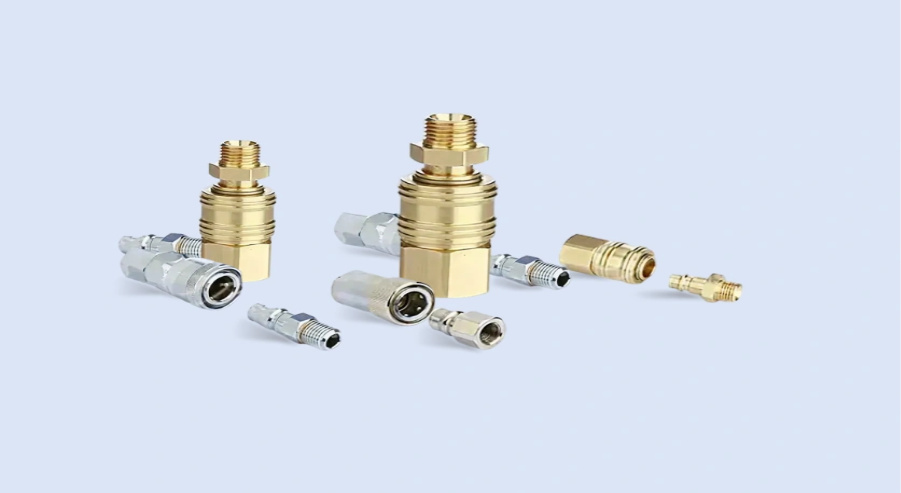
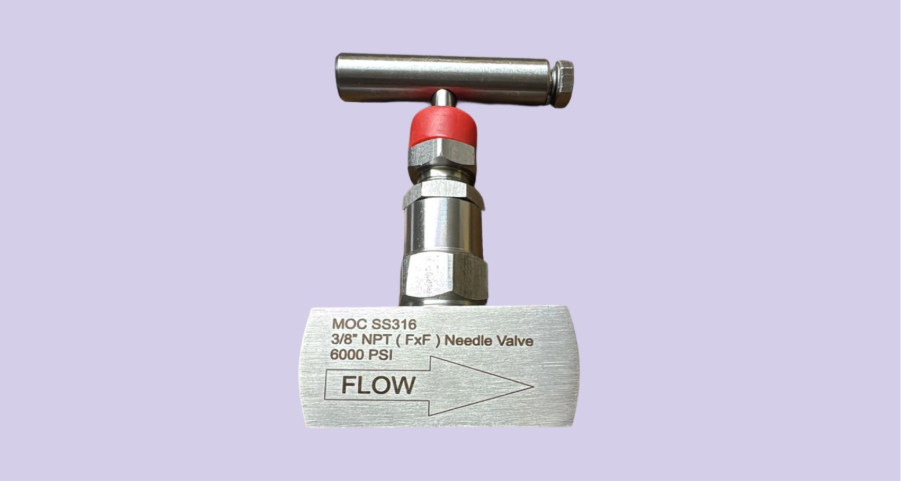
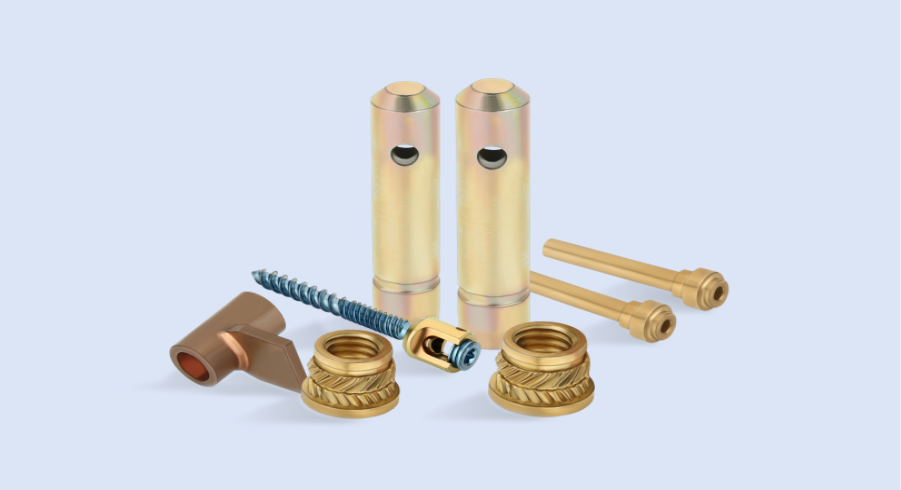
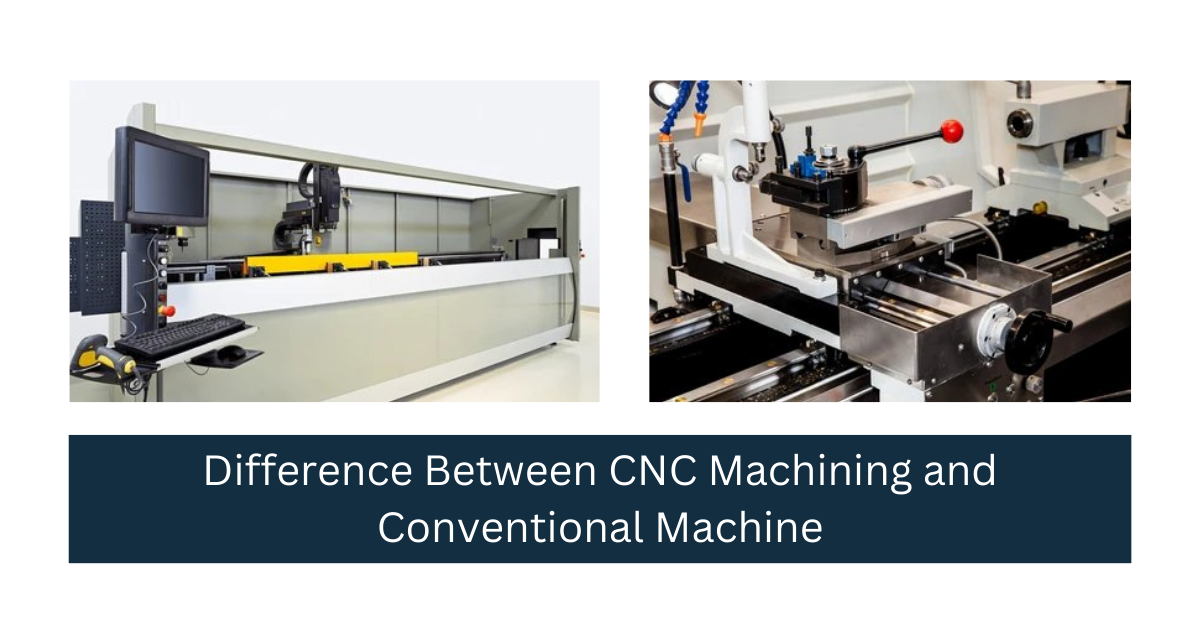
CNC machining stands for Computer Numerical Control machining. It uses computer programs to control machine tools for tasks like drilling, turning, and milling. CNC machines can create precision turned components, CNC components, and CNC machine components by removing material from a workpiece. The machine operates with minimal human intervention, allowing for precise and efficient production.
What is Conventional Machining?
Conventional machining refers to traditional methods where skilled operators manually control the machine tools. This method involves using machines like lathes, milling machines, and drills. Operators adjust the machine settings and control the cutting tools. While conventional machines can produce parts with reasonable quality, they are slower and less precise compared to CNC machines.
Key Differences Between CNC and Conventional Machining
CNC machining and conventional machining have some key differences in how they operate:
- Control:
- CNC machining uses computer control for precision.
- Conventional machining relies on manual control by the operator.
- Precision:
- CNC machining offers high precision and consistency.
- Conventional machining offers lower precision and can vary.
- Automation:
- CNC machining is fully automated, reducing human error.
- Conventional machining requires manual adjustments by the operator.
- Speed:
- CNC machining is faster and more efficient.
- Conventional machining is slower, as it involves manual work.
- Complexity:
- CNC machining can handle complex geometries and intricate designs.
- Conventional machining is better suited for simpler designs.
- Labor Requirements:
- CNC machining needs fewer labor resources.
- Conventional machining requires more skilled labor.
- Cost:
- CNC machines have a higher initial cost but are more cost-effective for large-scale production.
- Conventional machines are cheaper to set up but less efficient for high-volume production.
Advantages of CNC Machining
One of the main advantages of CNC machining is its precision. CNC machines can produce parts with micron-level tolerances, ensuring that each component is identical. The automation in CNC machining reduces the chance of human error, which makes it ideal for mass production of CNC components.
Another benefit is speed. CNC machines work continuously, without needing breaks. This speeds up production, making it ideal for large-scale production runs. Additionally, CNC machining is highly versatile. It can handle a wide range of materials, such as metals, plastics, and composites.
Disadvantages of CNC Machining
While CNC machining has many advantages, it also has some drawbacks. One of the main disadvantages is the high initial cost of the machines. CNC machines require significant investment for purchase and maintenance. Skilled operators are still needed to program and supervise the machines.
CNC machining is most effective for high-volume production, which means it may not be as cost-effective for small batch runs or one-off custom projects.
Advantages of Conventional Machining
Conventional machining offers a few key advantages, especially for smaller operations. The initial cost of conventional machines is lower, making them more accessible to small businesses or shops. They are also highly flexible, as they can be quickly adapted for different parts and low-volume production.
Conventional machines don’t require complex programming skills, and the operator’s experience plays a large role in determining the quality of the final product. For simpler tasks or small batch runs, conventional machining is a great solution.
Disadvantages of Conventional Machining
Despite its benefits, conventional machining has limitations. The most significant downside is its lower precision compared to CNC machining. Conventional machines cannot match the tight tolerances and consistency provided by CNC machines.
The process is also slower, as operators need to manually adjust the machine and monitor the cutting process. Additionally, labor costs are higher because skilled labor is required to operate conventional machines.
Conclusion
Both CNC machining and conventional machining have important roles in the manufacturing industry. CNC machining is ideal for high-precision, high-volume production. It offers accuracy, speed, and automation. On the other hand, conventional machining is better for simpler parts and low-volume production.
For industries that require high-quality CNC turned components, CNC machining is usually the best option. It provides faster production times, better precision, and repeatability. If you need precision CNC components or CNC turning parts, working with a reliable CNC parts manufacturer like Ganesh Precision Industries ensures you receive the highest quality parts tailored to your needs.