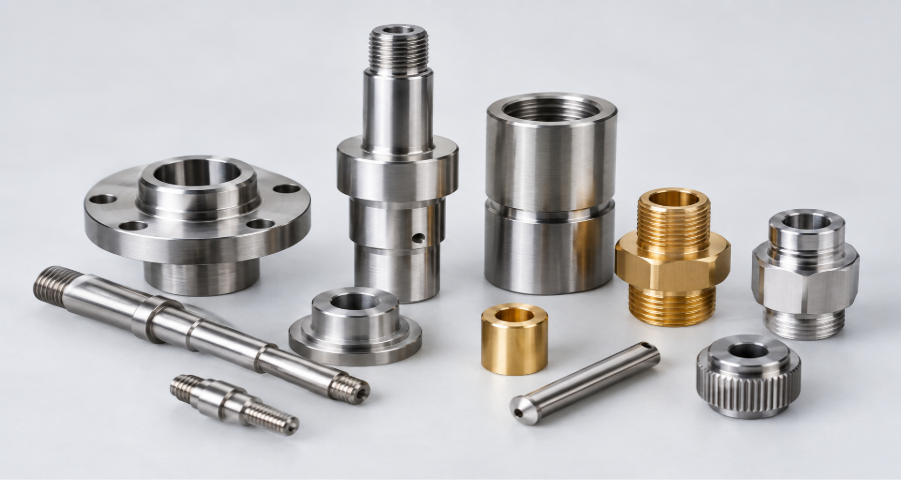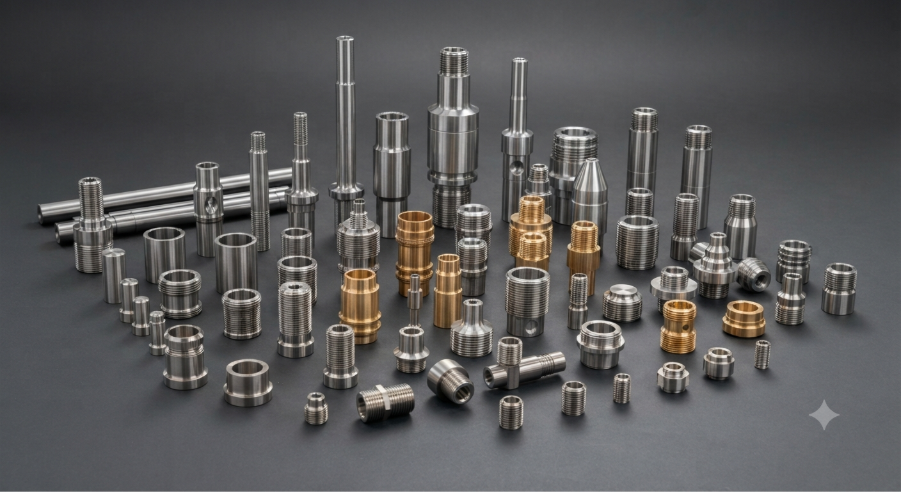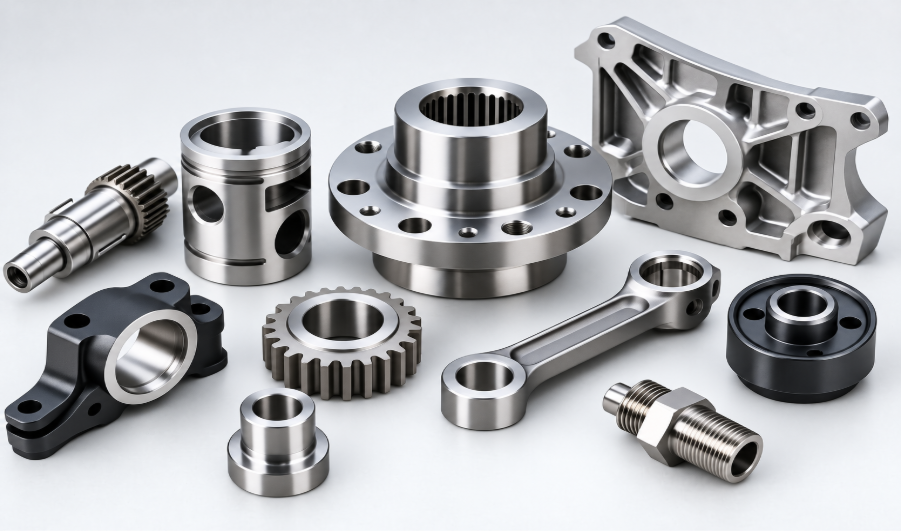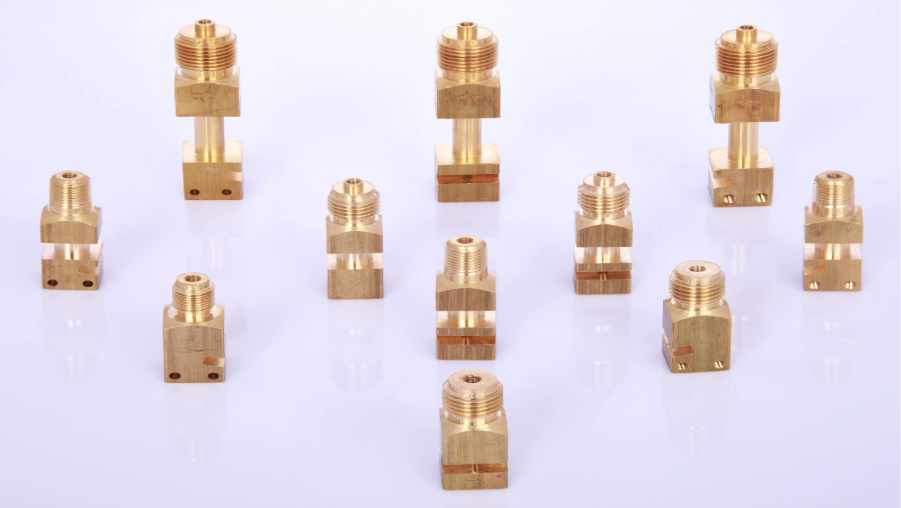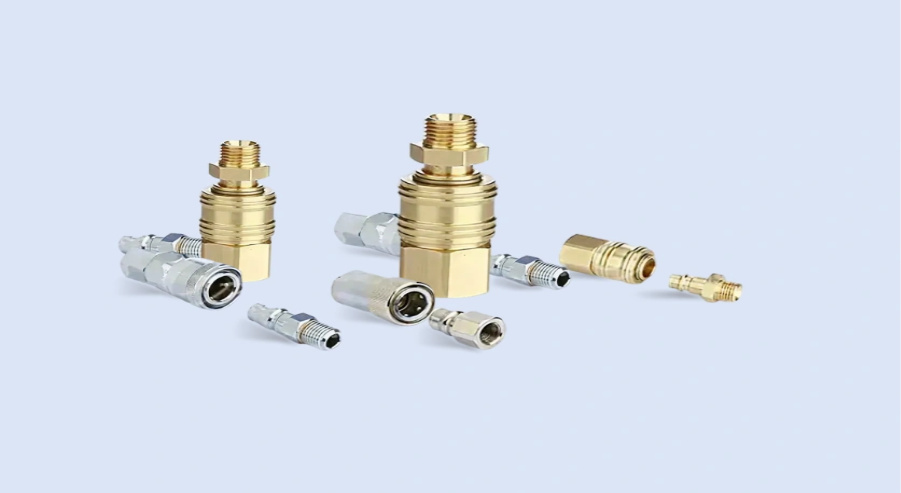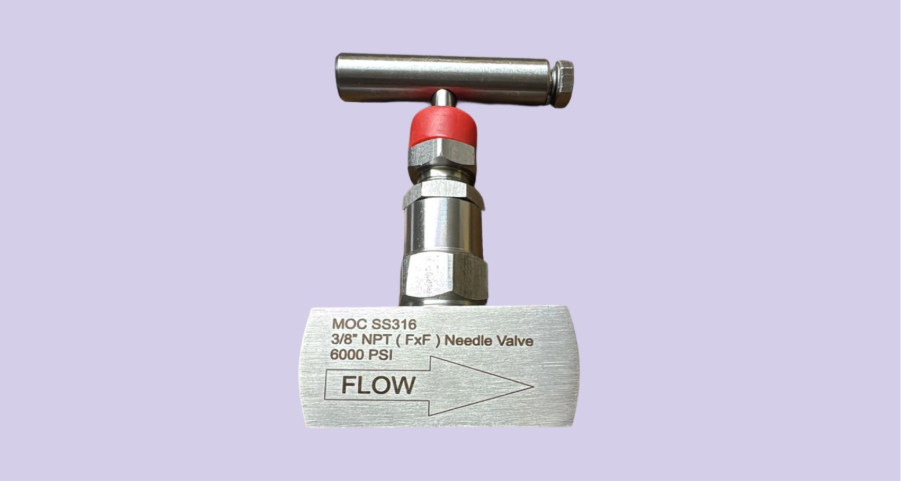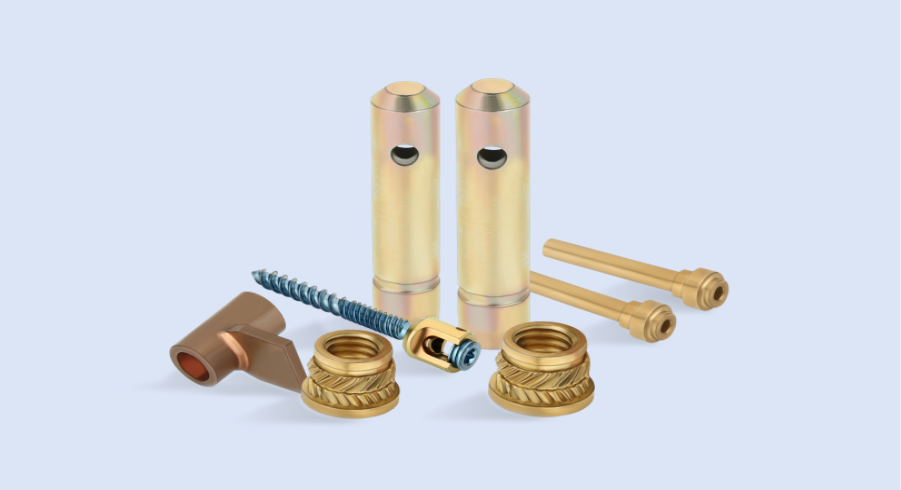
CNC (Computer Numerical Control) machines have transformed the manufacturing industry. These machines enable high precision and automation in the production process. A CNC machine consists of several key parts that work together to ensure efficient and accurate operations. Understanding these major parts is essential for optimizing machine performance and producing high-quality CNC turned components. In this blog, we explore the seven major parts of a CNC machine.
Key Takeaways
- CNC machines have key components that work together for precision machining.
- CNC turning parts are essential for creating precise shapes and sizes.
- CNC auto parts manufacturers ensure high-quality components that meet precision standards.
- Understanding CNC machine parts helps enhance machine efficiency and production output.
What is a CNC Machine?
A CNC machine is an automated tool used to machine materials like metals, plastics, and wood. It is controlled by a computer system, which directs the movement of the machine and its components. This system translates a computer-aided design (CAD) into numerical code that guides the machine through its operations.
This automation enables the CNC machine to work with high precision, making it suitable for tasks that require consistency and accuracy.
Why is Understanding CNC Machine Parts Important?
Knowing the parts of a CNC machine is crucial for machine operators and engineers. Each component plays a role in the overall operation and efficiency of the machine. Understanding how these parts work together helps with troubleshooting, maintenance, and performance optimization.
For manufacturers, knowledge of these parts is key to improving production processes and ensuring the creation of accurate CNC turned components.
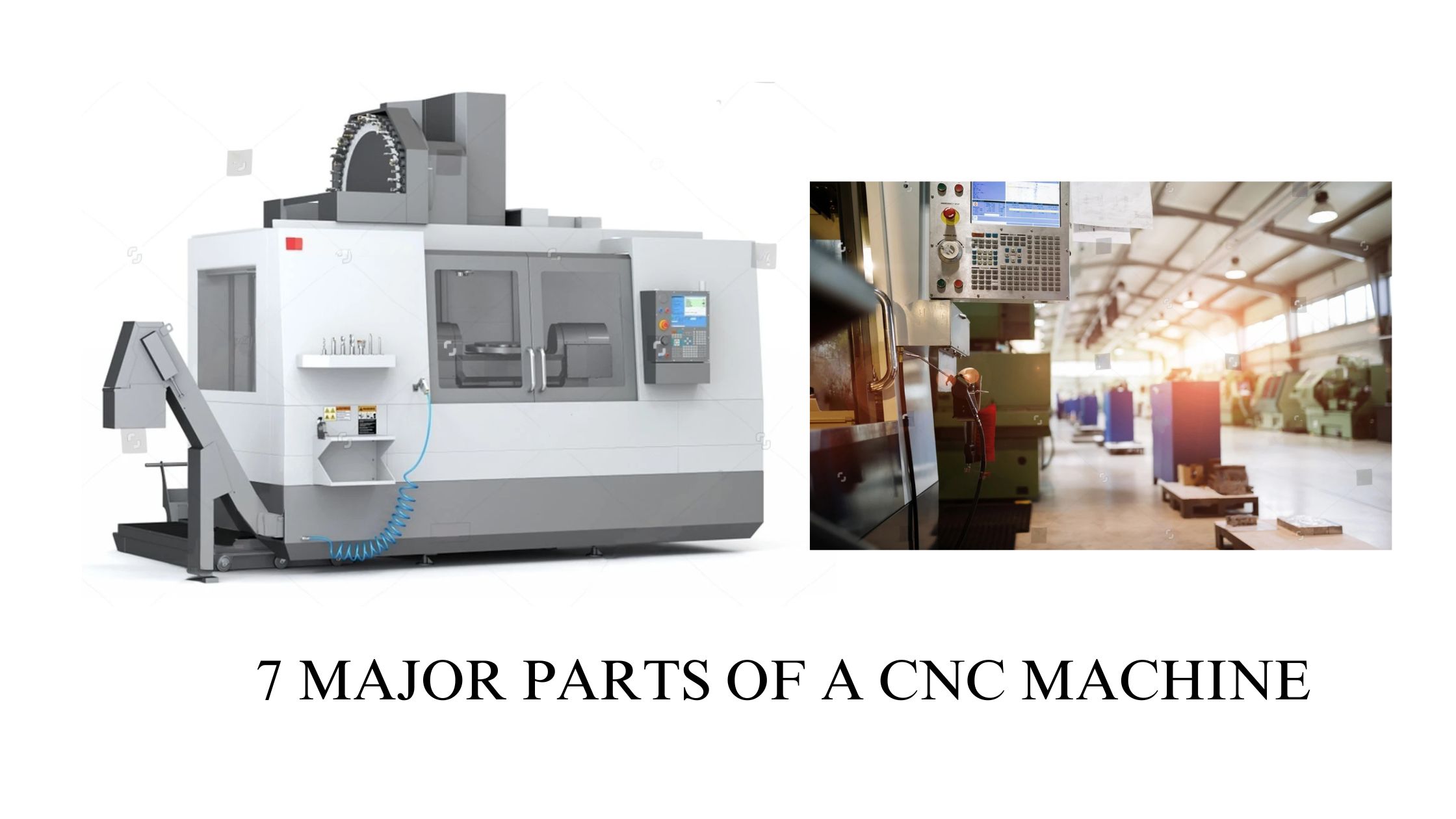
7 Major Parts of a CNC Machine
Here are the seven major parts of a CNC machine that contribute to its operation:
1. CNC Controller
The CNC controller is the brain of the machine. It receives input from the CNC program and converts it into electrical signals that control the machine’s movement. The controller ensures that the machine follows the precise instructions in the program, resulting in accurate machining. The controller is a key component in producing high-quality CNC turned components.
2. Drive Motors and Servo Motors
Drive motors and servo motors power the movement of the CNC machine. These motors drive the machine’s axes (X, Y, Z), allowing the cutting tool to move with high precision. These motors are essential for maintaining the speed and accuracy of the machine’s operations.
3. Machine Tool Spindle
The spindle holds the cutting tool and rotates it at high speeds during machining. It is responsible for cutting, drilling, and shaping materials. The spindle’s rotation speed and stability are crucial to ensuring the quality of the CNC turned components produced.
4. Tool Holder
The tool holder keeps the cutting tool secure during machining. It ensures that the tool stays in the correct position while the machine operates. The tool holder’s stability directly affects the precision of the final CNC auto parts produced.
5. Linear Guides
Linear guides are essential for smooth and accurate movement of the CNC machine’s parts. These guides help reduce friction, ensuring that the moving parts glide easily along the machine’s axes. The accuracy of CNC turned components largely depends on the performance of these guides.
6. Workpiece or Material Fixture
The workpiece fixture holds the material steady during the machining process. It ensures the material remains aligned with the cutting tool. A stable fixture is crucial for accurate machining, ensuring that the CNC turned components are cut to the correct size and shape.
7. Coolant System
The coolant system keeps the cutting tool and material cool during machining. Cutting generates heat, and the coolant system prevents overheating. It also removes debris from the cutting area, improving efficiency and prolonging the life of the machine.
How Do These Parts Work Together?
Each part of a CNC machine plays a vital role in ensuring the machine runs smoothly. The CNC controller receives instructions and sends signals to the motors. These motors move the cutting tool or workpiece into the correct positions. The spindle rotates the cutting tool, while the tool holder ensures it stays steady. Linear guides ensure smooth and precise movement, and the workpiece fixture keeps the material in place. The coolant system prevents overheating and keeps everything clean.
When these parts work together, the CNC machine can produce CNC auto parts with high precision.
Conclusion
CNC machines are composed of several key parts that work together to ensure high-quality machining. The CNC controller, drive motors, spindle, tool holder, linear guides, workpiece fixture, and coolant system all play crucial roles. Understanding how these parts interact can help optimize CNC machine performance and the production of CNC turned components.
For manufacturers looking to create precise CNC auto parts, working with experienced manufacturers is essential. They ensure that every component meets strict quality standards and performs reliably.
Ganesh Precision Industries is a trusted partner for high-quality CNC turned components. With a focus on precision and quality, we produce reliable parts tailored to meet specific customer needs. Our expertise in CNC machining ensures that every part meets the highest standards for performance.