Pressure measurement is important in many industries. Machines and systems often operate under controlled pressure levels. If pressure rises too high or falls too low, equipment may stop working properly. In some situations, incorrect pressure can also create safety risks.
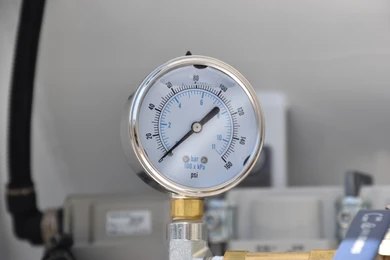
A pressure gauge helps monitor these levels and provides clear readings. It is widely used in industries like manufacturing, automotive, HVAC, and oil and gas. Different gauges exist for different applications, but one type stands out as the most commonly used.
The Bourdon tube pressure gauge is widely considered the most common type. It is known for its simple design, reliable performance, and ability to measure a wide range of pressures.
Why Pressure Gauges Are Important
Pressure gauges help operators monitor and control pressure levels in machines and pipelines. Accurate pressure measurement keeps equipment safe and ensures systems run efficiently.
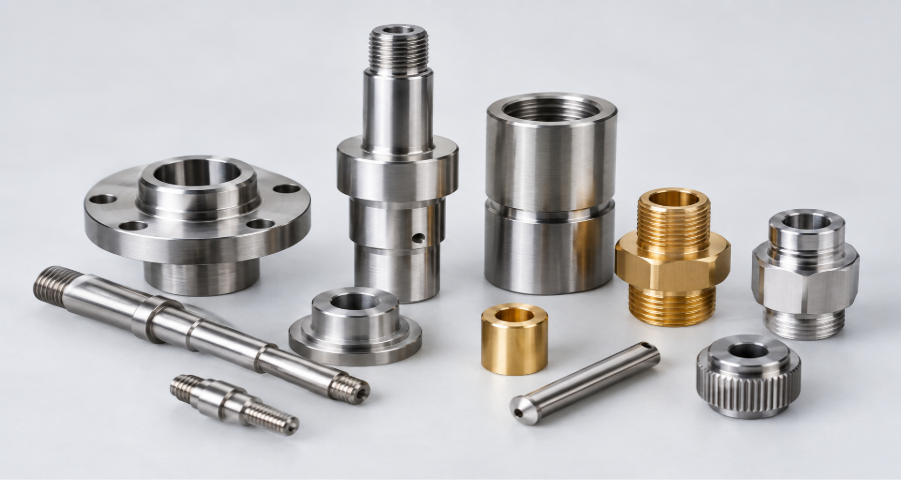
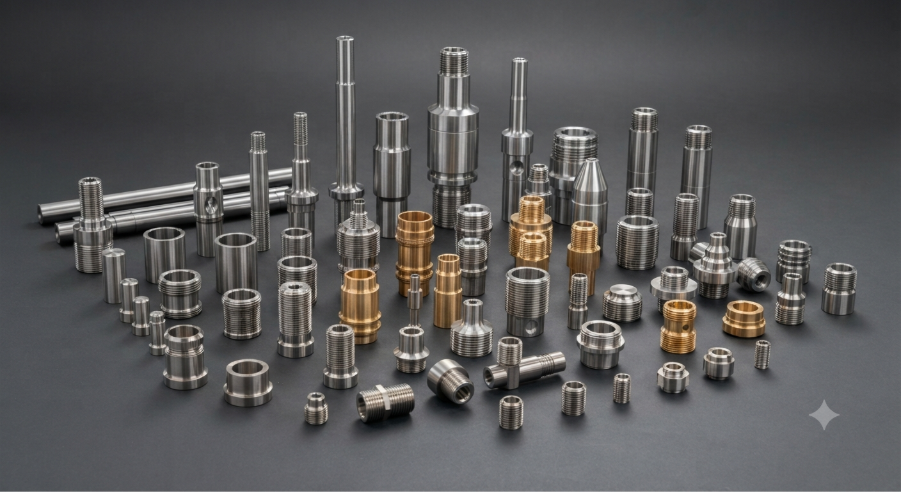
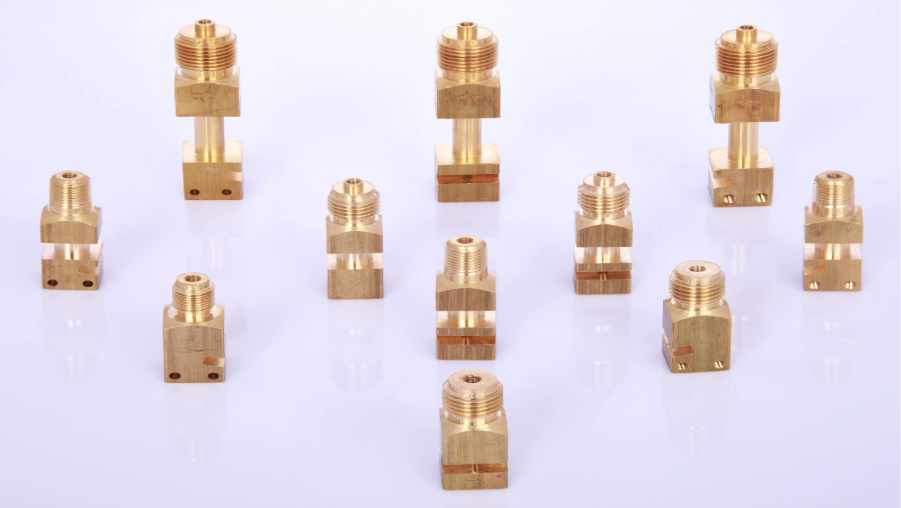
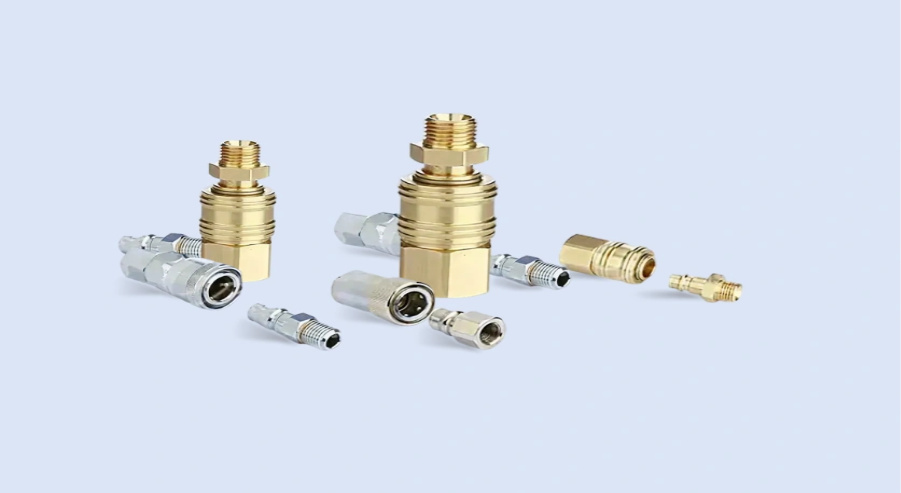
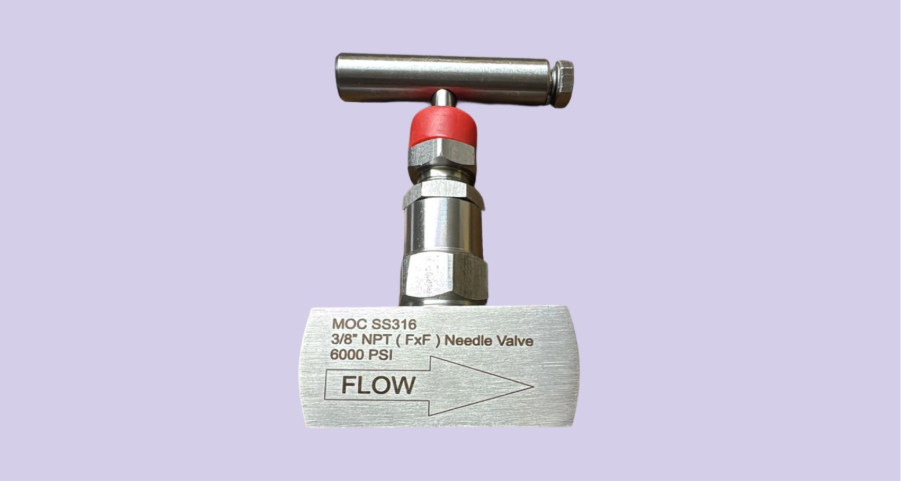
Most gauges rely on carefully engineered pressure gauge parts that respond to pressure changes. These internal parts convert pressure into a visible reading on the dial. The precision of these parts is important because even small measurement errors can affect system performance.
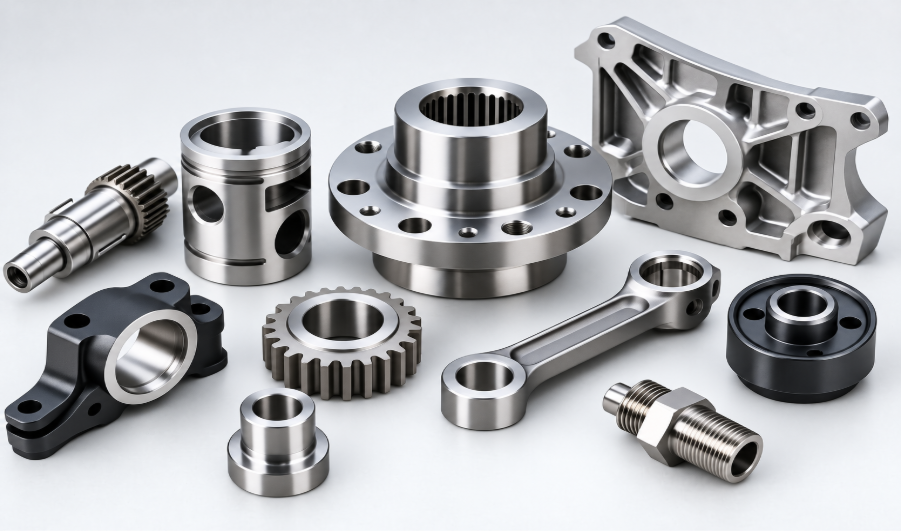
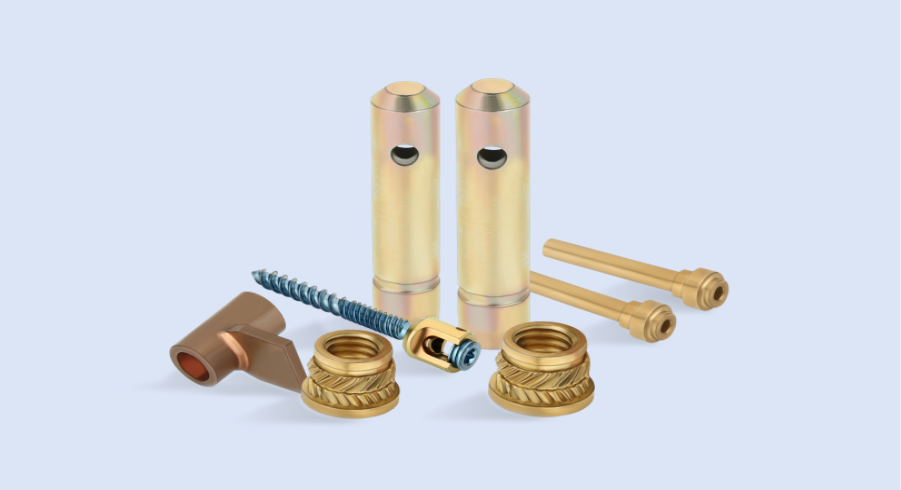
Modern manufacturing often uses cnc component technology to produce accurate and reliable gauge parts. High-precision machining ensures every component works correctly and maintains consistent performance.
What Are the Four Main Types of Pressure Gauges?
Several types of pressure gauges are used in industrial systems. Each design works differently and suits different applications.
Bourdon Tube Gauge
The Bourdon tube gauge is the most widely used type. It contains a curved metal tube that reacts to pressure changes. When pressure enters the tube, it tends to straighten. This movement is transferred to a needle that shows the pressure level on the dial.
Diaphragm Gauge
A diaphragm gauge uses a flexible metal diaphragm. When pressure changes, the diaphragm moves slightly. This movement shifts the pointer on the gauge. These gauges are often used for measuring low pressure.
Capsule Gauge
A capsule gauge uses two thin diaphragms that are joined together to form a capsule. Pressure changes cause the capsule to expand or contract. The movement then drives the needle on the gauge.
Digital Pressure Gauge
Digital gauges use electronic sensors instead of mechanical parts. They measure pressure through sensors and display the reading on a digital screen. These gauges are often used where high measurement precision is required.
What Is the Most Commonly Used Pressure Gauge?
The most commonly used pressure gauge is the Bourdon tube pressure gauge. It has been used in industries for many years because of its reliability and simple design.
A Bourdon gauge contains a curved tube made from metal. When pressure enters the tube, it tries to straighten. This movement is transferred through small mechanical pressure gauge parts that rotate the needle on the dial.
The pointer then indicates the pressure level clearly.
Bourdon gauges can measure both liquid and gas pressure. They are also capable of measuring a wide range of pressures, from low levels to very high industrial pressures.
Because of this flexibility, they are widely used in many industries.
Advantages of Bourdon Pressure Gauges
Bourdon pressure gauges remain popular because they provide reliable performance in many environments.
High Accuracy
These gauges provide accurate readings when they are properly calibrated. Accurate pressure measurement is essential in many industrial processes.
Durable Construction
Most Bourdon gauges are built using strong materials. Stainless steel is often used because it resists corrosion and withstands tough environments.
Wide Pressure Range
Bourdon gauges can measure a large range of pressures. They can be used in both low-pressure and high-pressure systems.
Low Maintenance
The design of a Bourdon gauge is simple. Because it has fewer moving parts, it usually requires less maintenance compared to complex measuring devices.
Applications of Bourdon Pressure Gauges
Bourdon pressure gauges are widely used across different industries.
Manufacturing
In manufacturing plants, gauges help monitor pressure in machines and systems. Accurate pressure control helps maintain product quality and safe operation.
Automotive Industry
Vehicles rely on pressure gauges to monitor oil pressure and fuel pressure. Proper pressure ensures the engine runs efficiently.
HVAC Systems
Heating and cooling systems use pressure gauges to maintain correct operating pressure. Stable pressure improves system performance and energy efficiency.
Oil and Gas Industry
Pipelines and processing systems require constant pressure monitoring. Bourdon gauges help maintain safe pressure levels in these environments.
Choosing the Right Pressure Gauge
Selecting the correct pressure gauge depends on several factors.
The pressure range must match the system being measured. Using the wrong range can cause inaccurate readings.
Accuracy requirements should also be considered. Some applications need highly precise measurements.
Material compatibility is another factor. The gauge material must resist corrosion from the fluid or gas being measured.
Visibility is also important. The dial should be easy to read, especially in industrial environments.
High-quality machining is important for reliable gauge performance. Many cnc manufacturers in india produce precision components used in pressure measurement equipment.
Conclusion
Pressure gauges play a key role in monitoring industrial systems. They help ensure machines operate safely and efficiently. Among all available types, the Bourdon tube gauge remains the most widely used.
Its simple design, durability, and wide pressure range make it suitable for many applications.
Accurate manufacturing of pressure gauge parts is essential for reliable readings. Precision engineering ensures these components function correctly and maintain consistent performance.
Companies involved in precision machining help support this industry. One example is Ganesh Precision Industries, which manufactures high-quality components used in engineering and industrial applications.