Selecting the right manufacturing partner can directly impact the quality, performance, and success of your project. Whether you need components for automotive, engineering, industrial, or instrumentation applications, working with a reliable manufacturer helps ensure consistent quality and timely production.
High-quality precision turned components are designed to meet exact specifications and perform reliably in demanding applications. However, not all suppliers offer the same level of manufacturing capability, quality control, or technical expertise. Choosing the right partner requires careful evaluation of several important factors.
This guide explains what to look for when comparing precision turned component manufacturers and how to select a supplier that can confidently support your project requirements.
What Are Precision Turned Components?
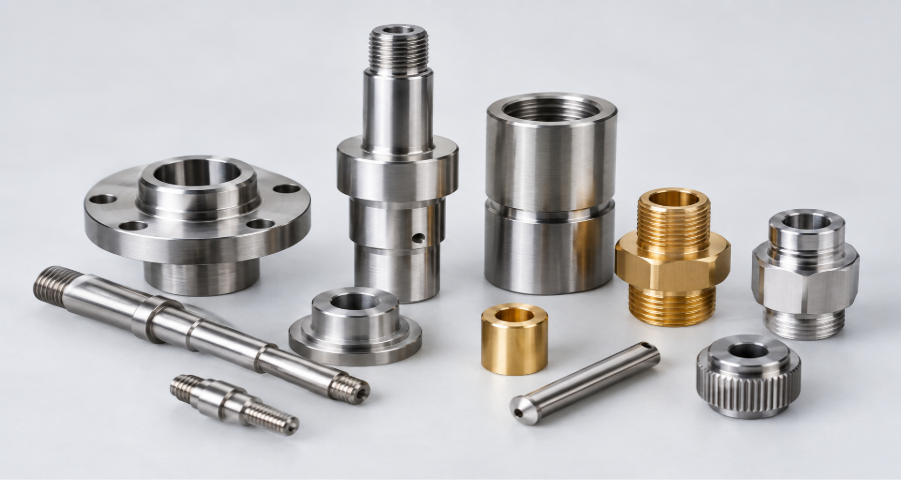
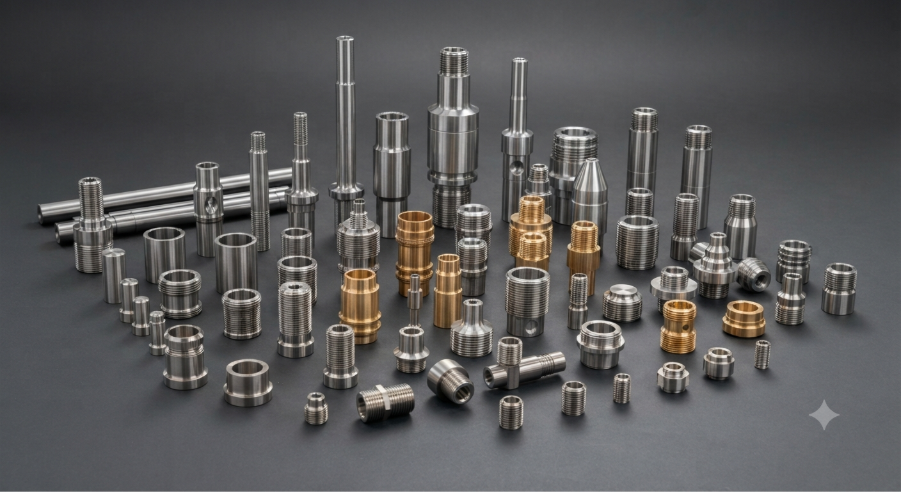
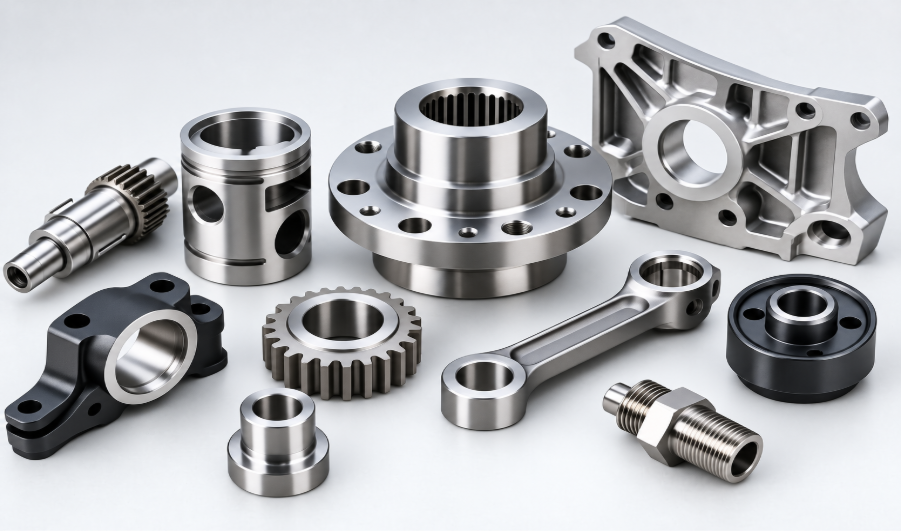
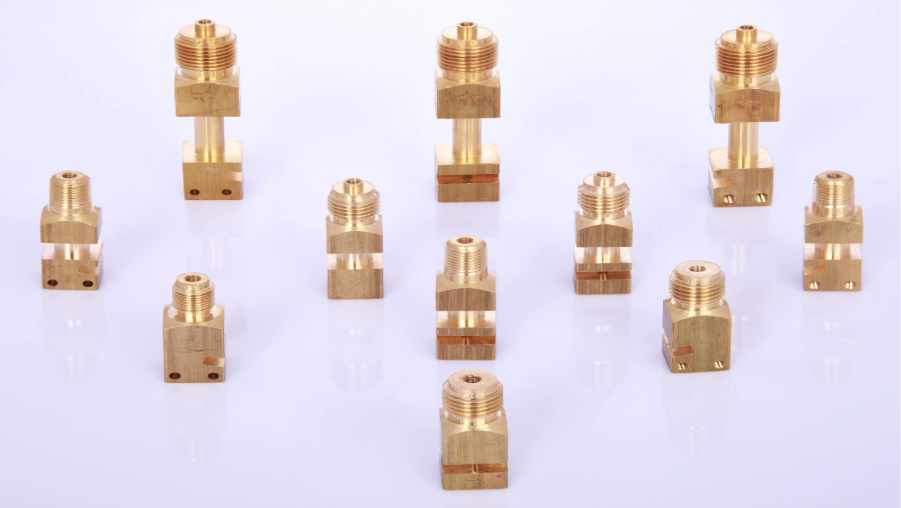
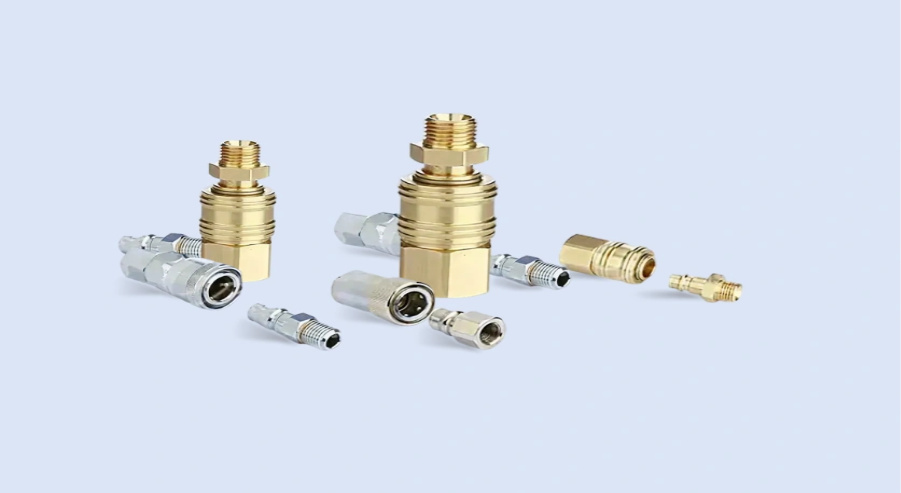
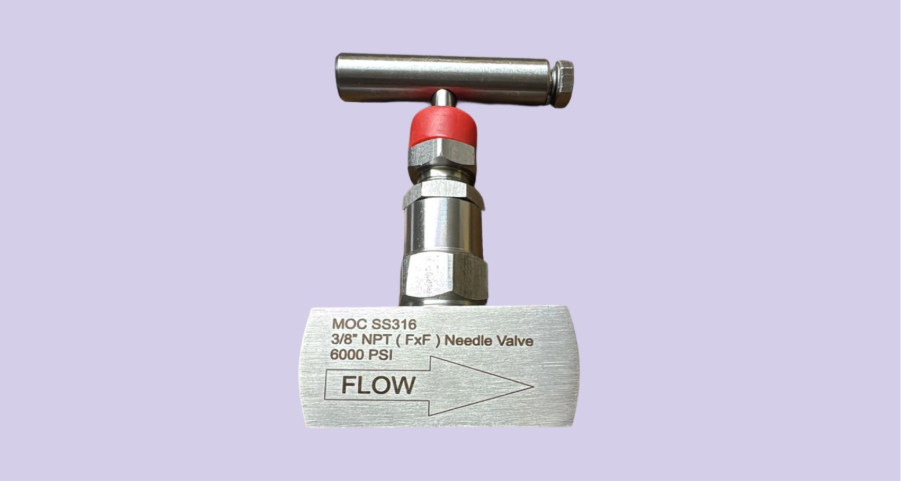
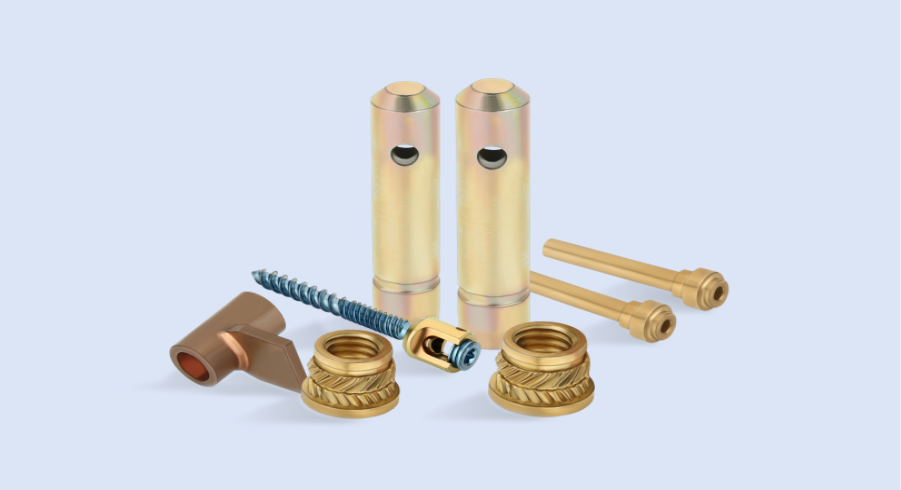
Precision turned components are parts manufactured using advanced turning processes to achieve accurate dimensions, smooth finishes, and consistent quality. These components are often used in applications where even small variations can affect performance.
They are present in various industries, including:
- Automotive
- Industrial machinery
- Instrumentation
- Electrical equipment
- Agricultural systems
Because these components often perform critical functions, manufacturers must maintain strict accuracy and quality standards throughout the production process.
Understand Your Project Requirements First
Before comparing precision components manufacturers, it is important to clearly define your project needs. This helps you identify suppliers that can meet your expectations from the start.
Key Areas to Evaluate
- Component Specifications
Specify the necessary measurements, designs, and specifications of the components to be produced.
- Material Requirements
Choose the material for the project: stainless steel, brass, mild steel, aluminium, or another option.
- Production Volume
Think about whether you require small batches, prototypes, or mass production.
- Quality Expectations
Identify the level of precision, tolerance, and inspection requirements needed for the application.
- Delivery Timeline
Choose a manufacturer that can meet your production schedule without compromising quality.
Important Considerations When Selecting a Manufacturer
Not all manufacturers offer the same level of expertise, production capability, or quality control. Evaluating a few important factors can help you make a more informed decision.
Manufacturing Experience
A manufacturer with industry experience is often better equipped to handle different project requirements and production challenges.
Look for:
- Experience across multiple industries
- Ability to manufacture custom components
- Knowledge of precision machining processes
Production Capabilities
Production capacity plays an important role, especially for projects that require a consistent supply.
Consider whether the manufacturer can:
- Handle both small and large production runs
- Maintain consistency across batches
- Support changing project demands
Quality Control Standards
Reliable precision turned components manufacturers follow strict quality checks throughout the manufacturing process.
Key areas include:
- Dimensional inspection
- Tolerance verification
- Surface finish checks
- Final quality testing
Material Expertise
For different applications, different materials should be used. A skilled manufacturer knows how to work with various materials.
This helps ensure that precision turned components are produced with the right balance of strength, durability, and accuracy for the intended application.
Why Precision and Tolerance Control Matter
When components are manufactured with accurate dimensions, they fit and function as intended. This is especially important in assemblies where multiple parts work together.
Benefits of Proper Tolerance Control
- Better component performance
- Smooth assembly and installation
- Reduced risk of operational issues
- Improved product reliability
- Consistent quality across production batches
Even slight differences in dimensions can affect the fit, wear, or efficiency of the part. That is why precision turned parts manufacturers always stress the importance of precision and tolerance.
Questions to Ask Before Finalising a Manufacturer
Before selecting a supplier, it is helpful to ask a few practical questions. The answers can provide a clearer picture of the manufacturer’s capabilities and reliability.
A Quick Evaluation Checklist
- Do they have experience with projects similar to yours?
- Can they meet your required production volume?
- What quality inspection processes do they follow?
- Are they capable of manufacturing custom components?
- Can they consistently meet delivery deadlines?
- What materials do they regularly work with?
- Do they provide technical support when needed?
These pointers should aid in evaluating various precision components manufacturers and selecting one which aligns with your project specifications.
Common Mistakes to Avoid When Choosing a Manufacturer
Choosing a manufacturer without proper evaluation can lead to quality issues, delays, and higher costs later. Recognising frequent mistakes can assist you in making more informed decisions.
- Choosing Based Only on Cost
A lower price may seem attractive, but it should not be the only deciding factor. Product quality, manufacturing capability, and reliability are equally important.
- Ignoring Quality Processes
A lack of inspection could mean the component does not adhere to specifications. Always consider the manufacturer’s quality procedures.
- Overlooking Production Capacity
A supplier may produce quality parts but struggle to meet your required volumes. It is important to ensure they can consistently support your production needs.
- Not Reviewing Industry Experience
Manufacturers with relevant industry experience often understand application requirements better and can provide more dependable manufacturing support.
Why Long-Term Manufacturing Partnerships Add Value
Many businesses focus only on immediate project requirements. However, building a long-term relationship with trusted precision turned components manufacturers can offer additional benefits over time.
- Consistent Product Quality
Working with the same manufacturer makes it easier to have consistent quality levels when production happens repeatedly.
- Better Understanding of Project Needs
As the partnership grows, the manufacturer becomes more familiar with specifications, materials, and production expectations.
- Reliable Supply Support
When you have a strong partnership with the manufacturer, you will have better production plans and better supply management.
- Greater Operational Efficiency
A trusted manufacturing partner can help simplify procurement processes and support ongoing project requirements with greater consistency.
Choosing a Reliable Partner for Precision Turned Components
The process of selecting the right manufacturer goes beyond production capacity. It means working with an organisation that can provide you with high-quality, accurate, on-time products, tailored to the changing requirements of your project. A good evaluation of your potential manufacturer’s experience and technical know-how can lead to positive results.
When sourcing precision turned components, working with a manufacturer that prioritises precision and consistency can make a significant difference in product performance and reliability. Trusted precision turned components manufacturers help businesses maintain quality standards while supporting efficient production processes.
Ganesh Precision Industries has provided services in several industries with its precision engineered manufacturing solutions. They have extensive experience producing high-quality precision turned components for their clients. The company ensures that all the products offered are produced under proper quality control and according to the client’s requirements.