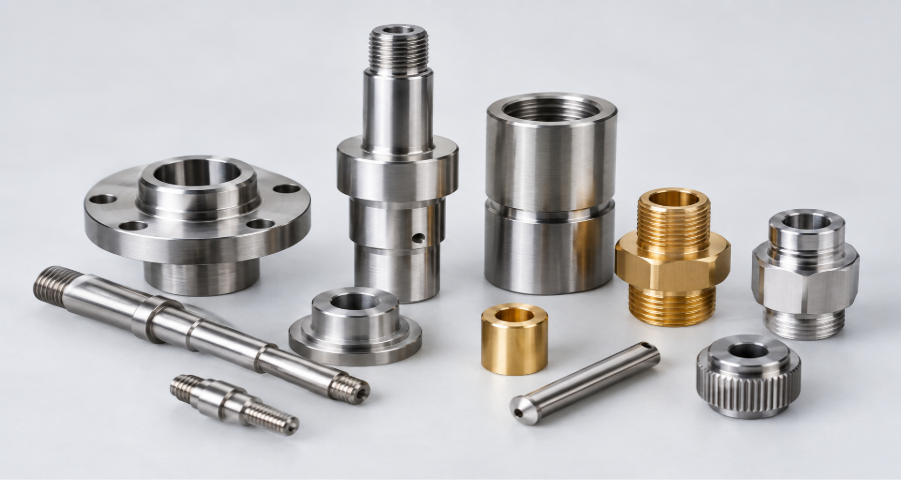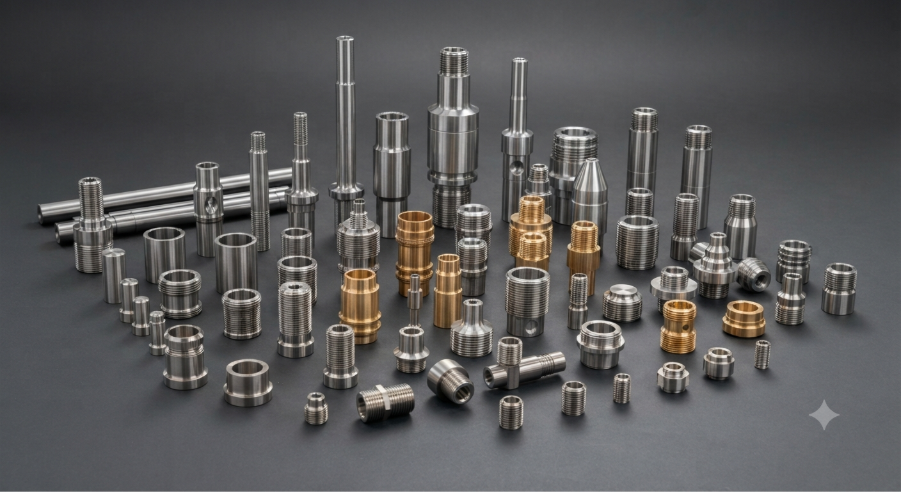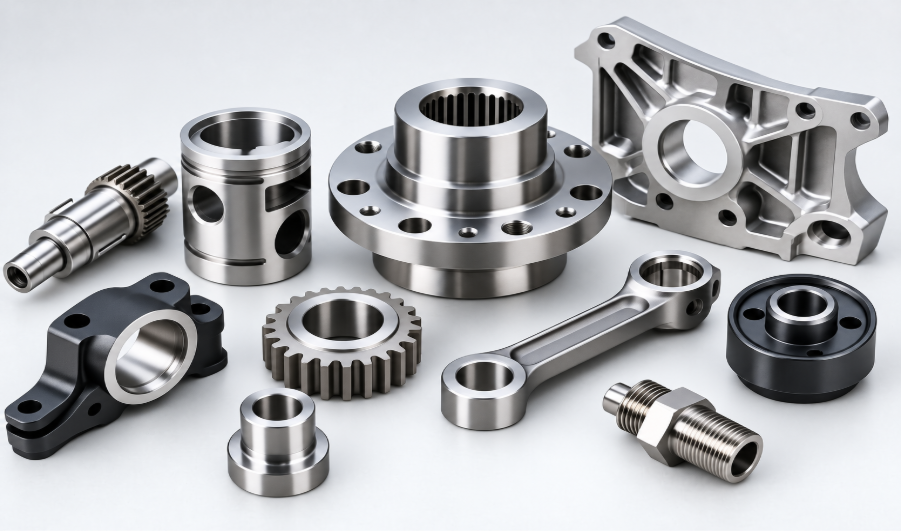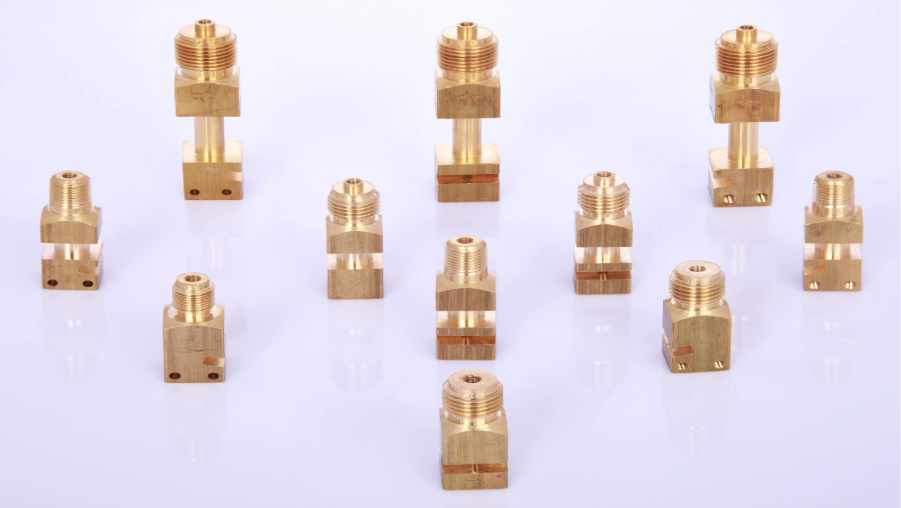
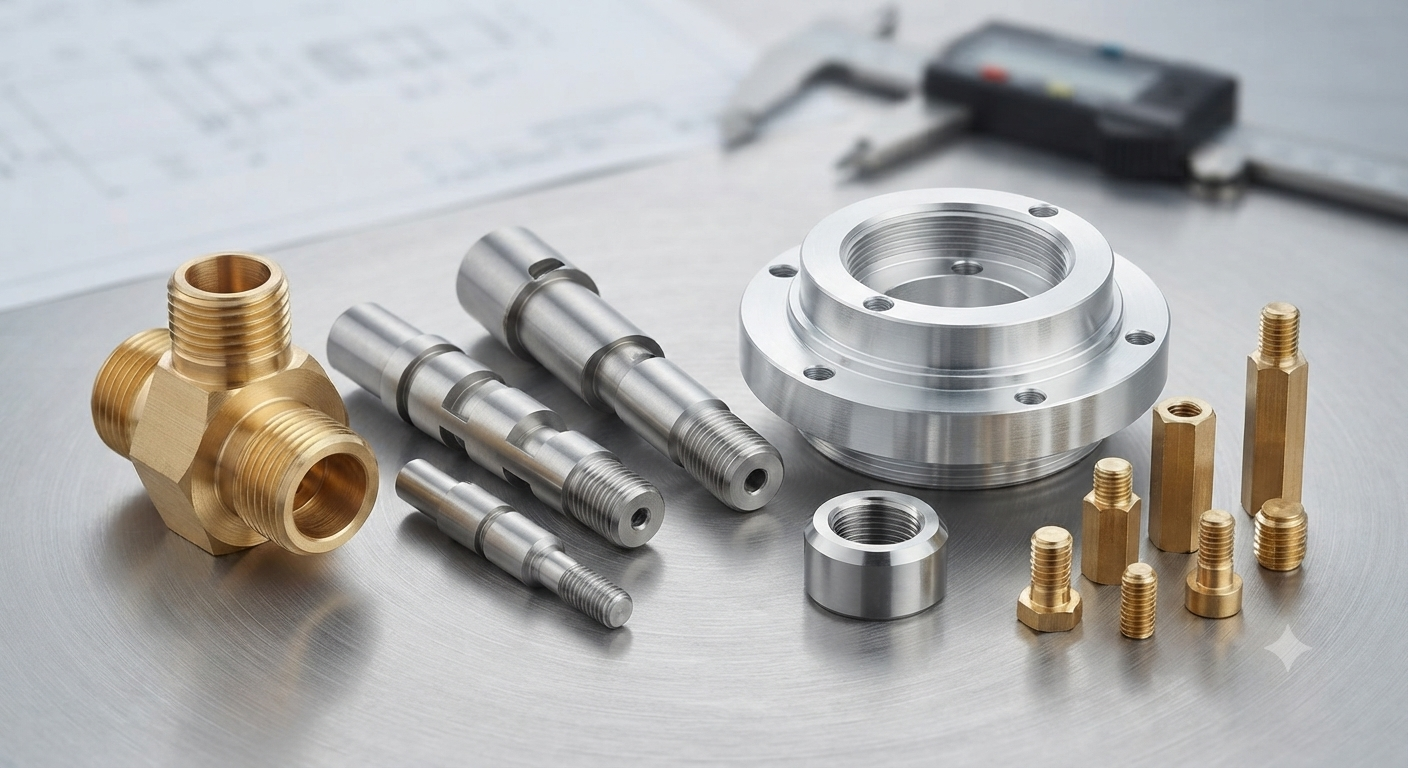
A small component can significantly affect the performance of a finished product. A slight variation in dimensions, an incorrect thread, or an inconsistent surface finish can affect assembly, increase rejection rates, and delay production. This is why choosing the right manufacturing partner is an important business decision.
For companies needing precision parts, the right supplier offers more than competitive prices. They must have proper CNC machinery, trained staff, reliable quality checks, and enough capacity for current and future needs. Delivery and support are also critical for regular component needs.
This is crucial when sourcing CNC turned components in India, as manufacturers vary in equipment, experience, quality systems, material capabilities, and capacity. Assessing these factors before ordering helps avoid costly issues and ensures a reliable supply chain.
Why Is It Important to Choose the Right CNC Turned Components Manufacturer?
CNC turning can produce components with accurate dimensions and consistent results. However, the final quality depends on the complete manufacturing process, not just the machine.
A capable manufacturer can help businesses achieve:
- Consistent component dimensions
- Accurate tolerances as per technical drawings
- Reliable surface finishes
- Fewer rejected components
- Better production planning
- Consistent quality across repeat orders
- Reduced production interruptions
A reliable supplier can also understand changing requirements and maintain consistency when production volumes increase.
What Factors Should You Consider When Choosing a CNC Turned Components Manufacturer?
Businesses should assess a potential supplier from several angles before deciding. Looking at only price or production capacity may not provide a complete picture.
The main factors to evaluate include:
- Manufacturing experience
- CNC machine capabilities
- Quality control systems
- Material expertise
- Production capacity
- Lead times
- Technical support
- Overall manufacturing value
1. How Much Manufacturing Experience Should a CNC Turned Components Manufacturer Have?
Experience matters most when it matches the components a business needs. A manufacturer may have many years of experience but limited exposure to a particular component or material.
Check whether the supplier has worked with:
- Similar component designs
- Tight dimensional tolerances
- Complex geometries
- Different engineering materials
- High-volume requirements
- Repeat production orders
Relevant experience can help a manufacturer identify machining challenges and maintain consistent results.
2. What CNC Machines and Manufacturing Capabilities Should You Look For?
The available machinery should match the component’s specifications. CNC turning machines differ in their capabilities, including component size, machining complexity, accuracy, and production volume.
Before selecting a supplier, check:
- Types of CNC turning machines available
- Component size and diameter range
- Achievable tolerances
- Production speed and capacity
- Automation capabilities
- Ability to manufacture complex components
Modern machinery can improve productivity and consistency, but it also needs skilled operators, proper programming, and regular maintenance.
3. How Can You Evaluate the Quality Control Process of a CNC Manufacturer?
Quality control is one of the most important factors when selecting a manufacturer. Components should be checked throughout production, not only after the entire batch is complete.
A suitable quality process may include:
- Raw material inspection
- First-piece inspection
- In-process dimensional checks
- Final product inspection
- Surface finish checks
- Measurement using suitable equipment
- Documentation of inspection results
Businesses should ask how the manufacturer identifies deviations and prevents the same issue from affecting future batches.
What Materials Can CNC Turned Components Manufacturers Work With?
Material selection affects a component’s strength, durability, machining behaviour, finish, and cost. Therefore, the manufacturer should have experience with the material and grade specified in the technical drawing.
Common materials used for turned components include:
- Stainless steel
- Mild steel
- Aluminium
- Brass
- Copper
- Alloy steels
- Other engineering materials
Businesses should confirm whether the supplier can work with the required material grade. For applications with strict requirements, you may also need to consider material certification and traceability.
How Can You Check the Production Capacity of a CNC Turned Components Manufacturer?
A supplier may complete a small order successfully but struggle when order volume increases. Discuss production capacity before finalising a long-term manufacturing relationship.
Ask the manufacturer about:
- Current production capacity
- Minimum and maximum batch sizes
- Typical lead times
- Repeat order capabilities
- Ability to increase production
- Handling of urgent requirements
- Production planning and scheduling
This is particularly important for businesses that expect demand to grow. A supplier should be able to support future requirements without compromising quality or delivery schedules.
What Questions Should You Ask CNC Turned Components Manufacturers Before Placing an Order?
Asking specific questions can help businesses compare suppliers more effectively.
Question to Ask | Why It Matters |
What tolerances can you consistently achieve? | Confirms precision capabilities |
Which materials do you regularly machine? | Checks material compatibility |
What inspection methods do you follow? | Helps assess quality control |
What production volumes can you handle? | Confirms manufacturing capacity |
What is your typical lead time? | Helps with production planning |
Can you support repeat orders? | Checks long-term supply reliability |
Can you manufacture as per technical drawings? | Confirms ability to meet specifications |
Clear, detailed answers help businesses better understand a supplier’s capabilities before placing an order.
How Should You Compare the Price and Quality of CNC Turned Components?
Price matters but shouldn’t be the sole factor; the lowest quote may not offer the best value. A low upfront price can become costly due to high rejection rates, inconsistent dimensions, delays, or quality problems.
Instead, compare:
- Component quality
- Production consistency
- Delivery reliability
- Inspection procedures
- Material handling
- Technical support
- Repeat order capabilities
- Total manufacturing cost
When comparing CNC turned components manufacturers, businesses should consider what they receive for the quoted price rather than focusing only on the quotation itself.
What Are the Common Red Flags When Selecting CNC Turned Components Manufacturers?
A potential supplier may require further evaluation if it:
- Cannot clearly explain its quality control process
- Gives uncertain delivery commitments
- Provides limited information about its machinery
- Has little experience with similar components
- Avoids technical questions
- Offers an unusually low quotation without clear reasoning
- Communicates inconsistently
- Cannot explain how it handles quality issues
These signs do not automatically mean that a supplier is unsuitable. However, they indicate that businesses should ask more questions before committing to an order.
How Can You Choose the Best CNC Turned Components Manufacturer for Your Business?
After shortlisting potential suppliers, compare them using the same criteria. This makes the final decision more objective.
Consider the following checklist:
- Technical capability: Can the manufacturer meet the component specifications?
- Quality: Can it maintain the required dimensions and tolerances?
- Capacity: Can it handle present and future production volumes?
- Material expertise: Can it work with the required materials?
- Delivery: Can it meet your production schedule?
- Support: Can it respond clearly to technical requirements?
- Value: Does the overall service justify the cost?
For businesses looking for CNC turned components in India, this approach can simplify supplier evaluation while reducing the risk of quality and delivery issues.
Building a Reliable Manufacturing Partnership
Choosing the right manufacturer for CNC turned components requires more than comparing prices. Businesses should evaluate manufacturing experience, CNC machinery, quality control, material expertise, production capacity, and delivery reliability before placing an order.
The right supplier should meet current requirements while maintaining consistent quality as production needs change. A careful selection process can reduce rejection rates, prevent avoidable delays, and support a more reliable production cycle.
Ganesh Precision provides precision manufacturing solutions for businesses that require reliable components and consistent production support. Its capabilities depend on each business’s specific component, material, quality, and volume requirements.
Looking for a dependable manufacturing partner? Connect with Ganesh Precision to discuss your CNC turned component requirements.