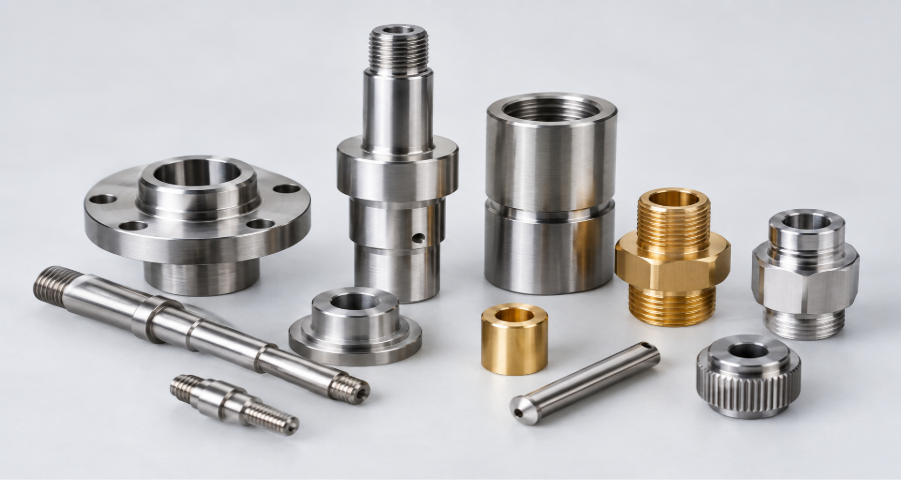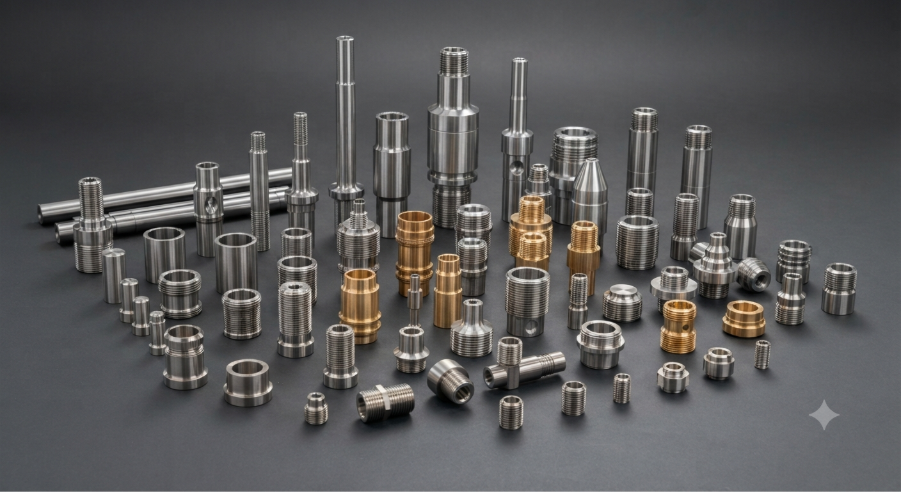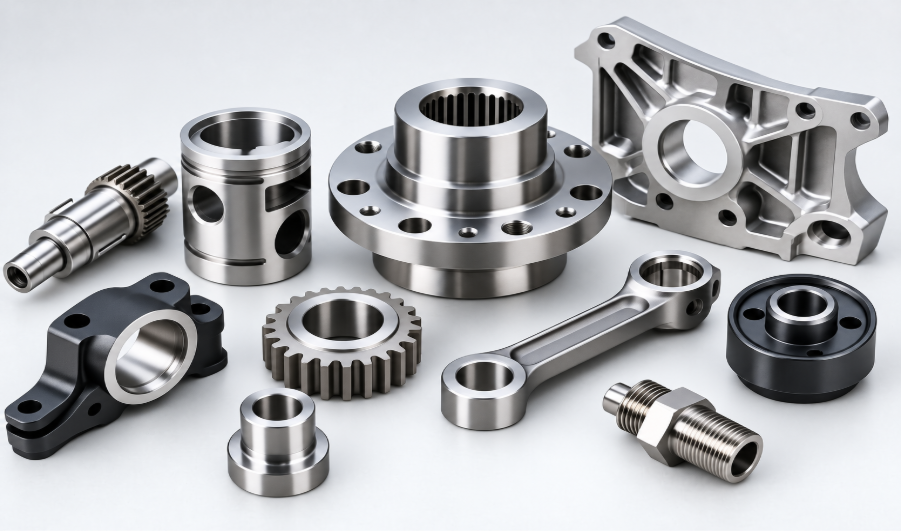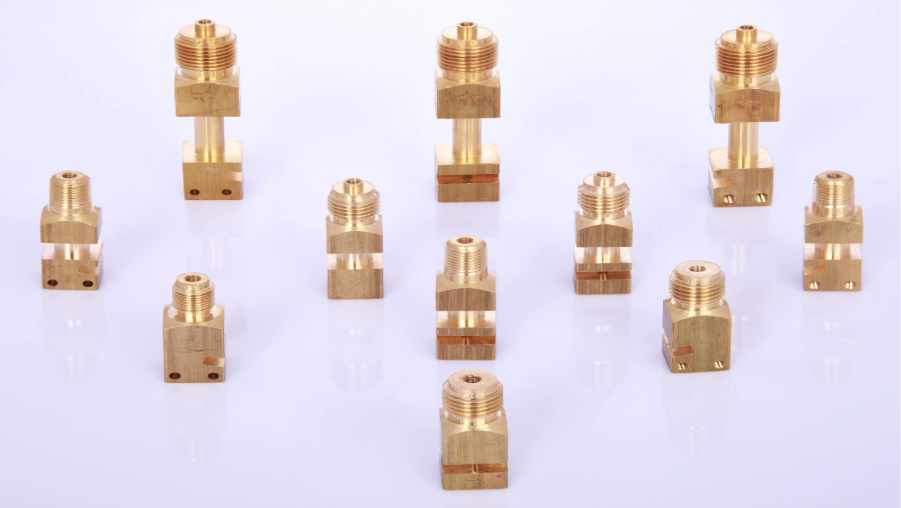
Industrial components must perform well under pressure, heat, moisture, and continuous usage. The material used in manufacturing directly affects the strength, lifespan, and efficiency of every component. This is why selecting the right metal is important for every industry.
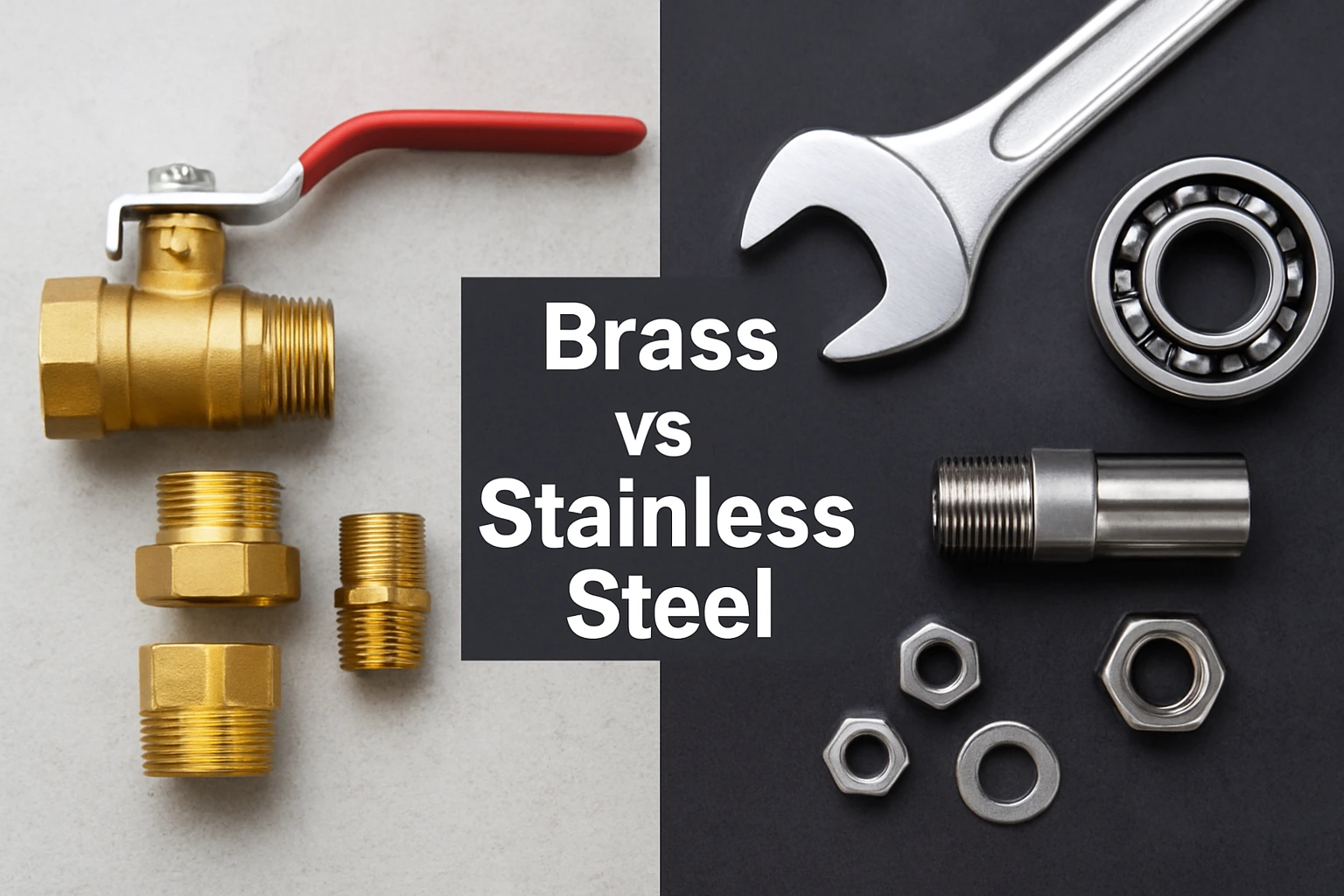
Among the most commonly used industrial materials, brass and stainless steel remain popular because of their unique properties and industrial advantages. Both materials are reliable, but they are designed for different applications.
Today, industries prefer working with experienced brass components manufacturers and trusted CNC machining companies to ensure better quality and consistent production.
Understanding Brass in Industrial Manufacturing
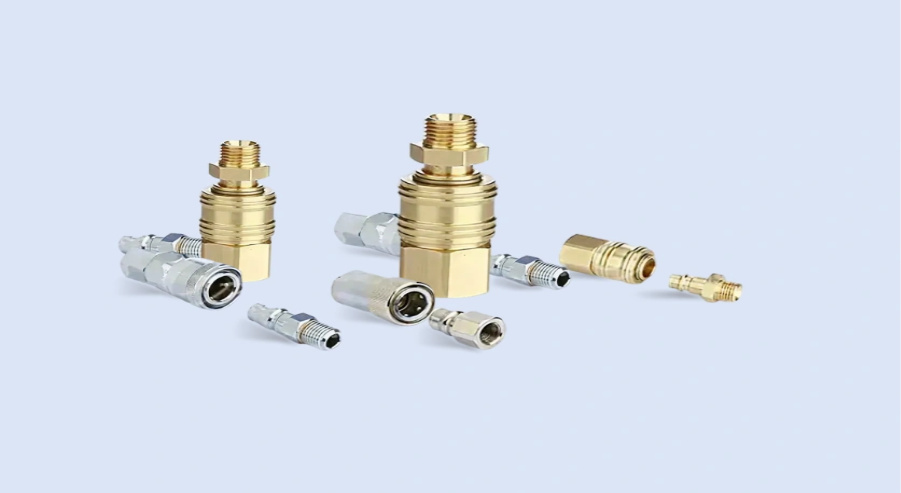
Brass is a copper and zinc alloy known for its smooth machining, conductivity, and corrosion resistance. It is widely used in industries where precision and electrical performance are important.
One major reason manufacturers prefer brass is its ability to support high-speed machining without affecting accuracy. Brass also delivers a clean surface finish, making it suitable for precision engineering applications.
Many electrical and mechanical industries depend on brass components for long-term reliability and stable performance.
Where Brass Components Are Commonly Used
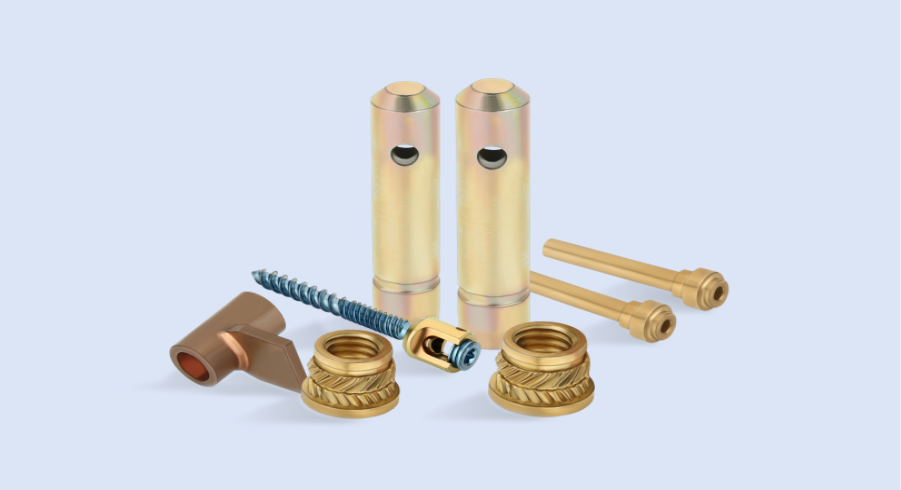
Brass components are widely used in:
- Electrical connectors
- Neutral links
- Control panels
- Precision terminals
- Plumbing fittings
- Sensor assemblies
- Automotive parts
A trusted brass parts manufacturer in Jamnagar often supplies customized brass components for industries that require accurate dimensions and reliable conductivity.
Understanding Stainless Steel in Industrial Applications
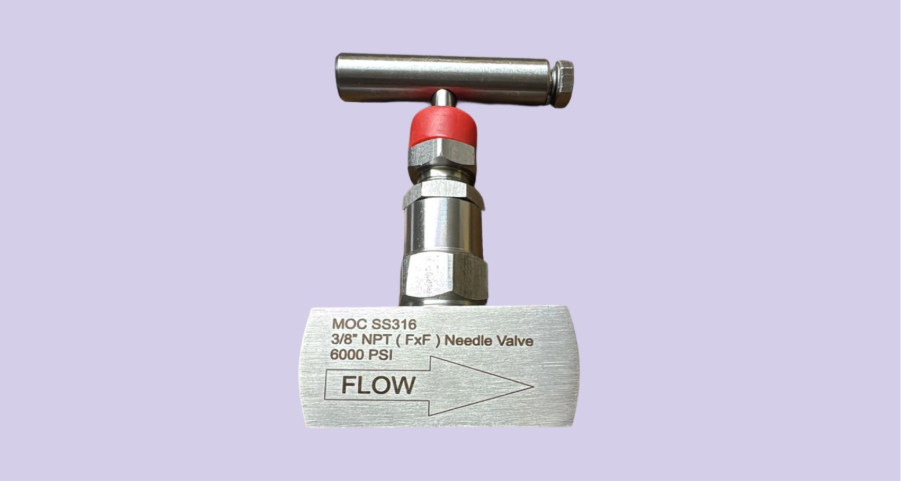
Stainless steel is an iron-based alloy that contains chromium for corrosion protection. It is widely used in industries where strength and durability are more important than conductivity.
This material performs well in harsh environments exposed to chemicals, moisture, pressure, and extreme temperatures.
Industries that require structural stability and heavy-duty performance often choose stainless steel for long-term operations.
Common Uses of Stainless Steel Components
Stainless steel is commonly used in:
- Heavy industrial machinery
- Aerospace systems
- Medical equipment
- Food processing units
- Chemical plants
- Construction structures
Its high strength and corrosion resistance make it suitable for demanding industrial environments.
Key Difference Between Brass and Stainless Steel
Electrical Conductivity
Brass provides much better electrical conductivity than stainless steel. Because of this, brass is widely used in electrical and electronic applications.
Many brass components manufacturers produce connectors and neutral links using brass for stable power transmission.
Mechanical Strength
Stainless steel offers higher mechanical strength compared to brass. It performs better in applications that involve pressure, weight, or heavy industrial loads.
Machining Speed
Brass is easier to machine and allows faster production with lower tool wear.
Many cnc manufacturers in india prefer brass for precision machining because it helps improve productivity and reduces machining time.
Stainless steel is harder and requires additional machining effort.
Corrosion Resistance
Both materials resist corrosion, but stainless steel performs better in highly chemical or aggressive industrial environments.
Brass performs efficiently in normal industrial conditions and marine applications.
Surface Finish
Brass naturally provides a smoother and cleaner finish after machining. This reduces the need for additional finishing processes.
Stainless steel may require extra polishing depending on the application.
Cost and Production Considerations
The overall manufacturing cost depends on machining complexity, production volume, and application requirements.
Brass may have a higher material cost, but it supports quicker machining and lower processing time.
Stainless steel can increase tooling and machining expenses because of its hardness and slower production speed.
Industries usually select materials based on long-term operational value rather than only raw material pricing.
Choosing the Right Material for Your Industry
Brass is suitable for industries that need:
- Better electrical conductivity
- Fast machining
- Precision components
- Smooth finishing
- Reliable electrical performance
Stainless steel is ideal for industries that need:
- High strength
- Structural durability
- Heat resistance
- Chemical resistance
- Long-term heavy-duty performance
Experienced brass components manufacturers can help businesses select the right material based on operational requirements and application type.
Importance of Choosing the Right Manufacturing Partner
The quality of industrial parts depends heavily on machining accuracy and production standards.
Reliable cnc manufacturers in india use advanced machinery, inspection systems, and quality control processes to maintain industrial standards.
Businesses should always evaluate:
- CNC machining capability
- Material expertise
- Production experience
- Inspection standards
- Delivery timelines
- Product consistency
Working with an experienced brass parts manufacturer in Jamnagar also helps improve reliability and long-term industrial performance.
Final Thoughts
Both brass and stainless steel offer important advantages in industrial manufacturing. The correct choice depends on performance requirements, operating conditions, and product applications.
Brass is widely preferred for conductivity, precision machining, and electrical applications. Stainless steel is ideal for strength, durability, and harsh industrial environments.
Ganesh Precision Industries continues to support industries with precision-engineered brass components designed for accuracy, durability, and dependable industrial performance.