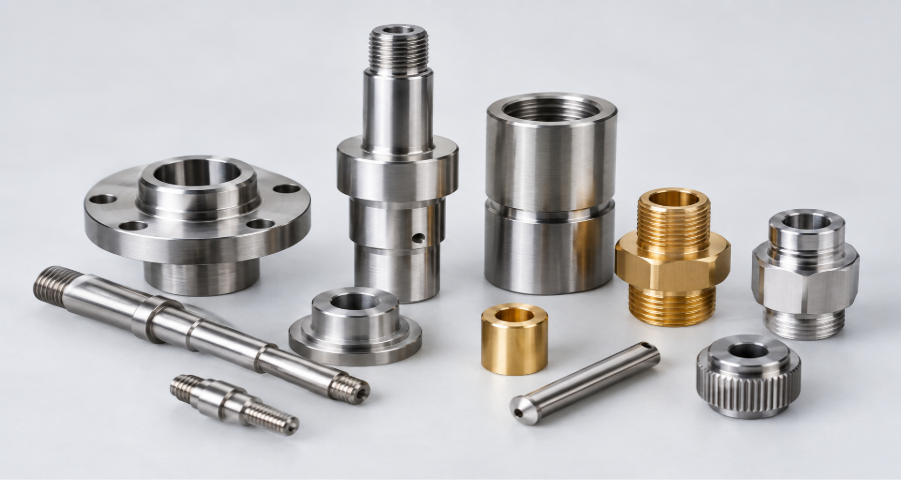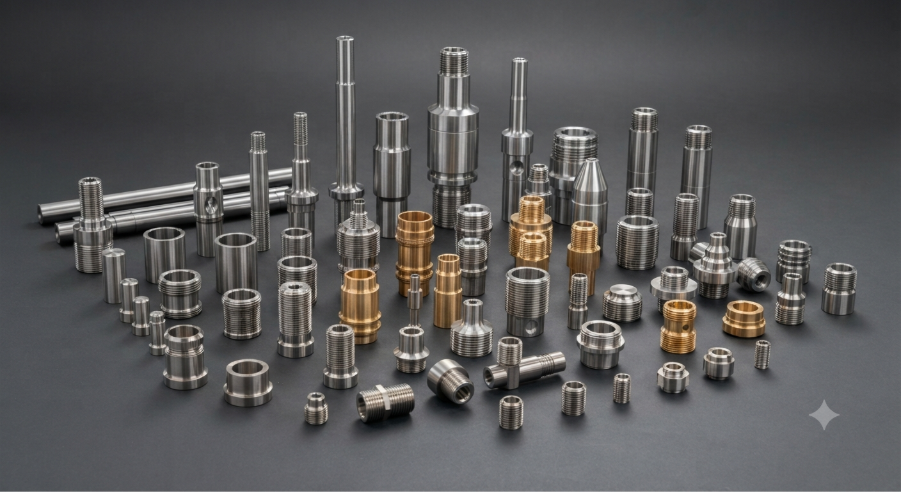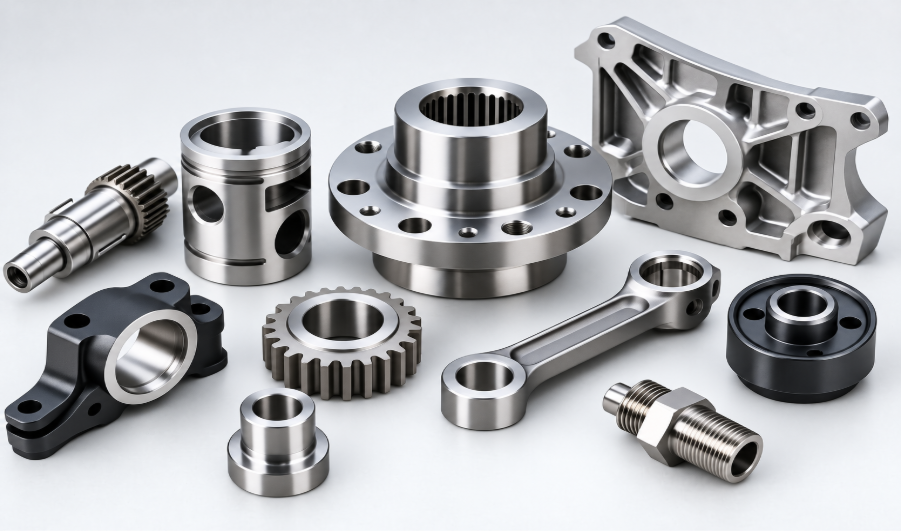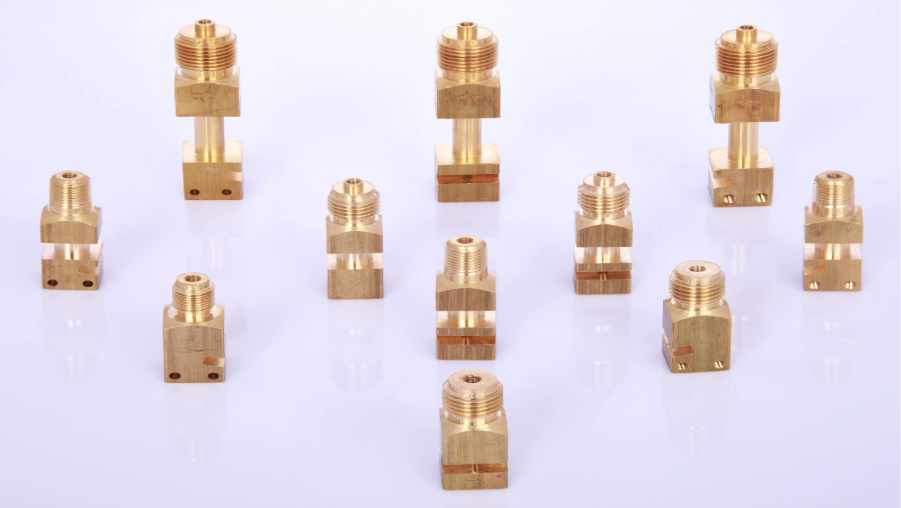
Pressure gauges are used in almost every industry today—from manufacturing to aviation. They help measure the pressure of liquids and gases, making sure systems run safely and efficiently. To get the best performance, it is important to understand pressure gauge parts and how they work.
Understanding Pressure Gauge
A pressure gauge is a simple device that shows how much pressure is inside a system. It includes key pressure gauge parts like the dial, pointer, and sensing element such as a bourdon tube or diaphragm.
When pressure enters the system, it moves the internal part, which then moves the pointer on the dial. This is how readings are displayed clearly.
What is a Pressure Gauge Used For?
Pressure gauges are used to monitor pressure in machines, pipelines, and equipment. Many pressure gauge manufacturers design gauges for different uses, such as:
- Checking hydraulic systems
- Measuring air pressure in tyres
- Monitoring gas lines
- Detecting leaks or pressure drops
Using the right pressure gauge parts helps avoid equipment damage and improves safety.
Types of Pressure Gauge Parts
1. Manometer (U-Tube)
A manometer is one of the simplest pressure gauge parts. It has a U-shaped tube filled with liquid like water or mercury. The difference in liquid levels shows the pressure.
2. Bourdon Tube
The bourdon tube is the most common part used in gauges. It is a curved metal tube that straightens when pressure is applied. This movement controls the pointer on the dial.
Many pressure gauge manufacturers prefer this design because it is strong, accurate, and long-lasting.
Understanding Pressure Difference
Pressure difference means the gap between two pressure points in a system. It is important in:
- Flow measurement
- Process control
- Leak detection
Accurate pressure gauge parts help measure this difference and keep systems stable.
How to Read a Pressure Gauge
Reading a pressure gauge is simple:
- Look at the dial
- Check where the pointer is pointing
- Read the value in PSI or bar
For accurate readings, install the gauge at eye level and in a vertical position. Good quality pressure gauge parts ensure stable and correct readings.
How to Handle Low Pressure
Low pressure can reduce system performance. Common reasons include:
- Leakage in the system
- Faulty regulator
- Blocked lines
To fix this, inspect the system and replace damaged pressure gauge parts if needed.
How to Handle High Pressure
High pressure can damage equipment and cause safety risks. To control it:
- Use pressure relief valves
- Install regulators
- Monitor regularly
Reliable products from trusted pressure gauge manufacturers help maintain safe pressure levels.
How to Install a Pressure Gauge
Proper installation is important for accurate results:
- Mount the gauge vertically
- Keep it at eye level
- Use proper connectors
- Ensure the system is depressurized before installation
Correct installation protects pressure gauge parts and improves performance.
When Does a Pressure Gauge Need Calibration?
Calibration is needed when:
- Readings are not accurate
- The gauge is exposed to rough use
- The system shows unusual results
Comparing with a standard device helps check accuracy. Good pressure gauge manufacturers always recommend regular calibration.
How to Calibrate a Pressure Gauge
Calibration ensures correct readings. It is done using:
- Calibration pumps
- Deadweight testers
The process adjusts the gauge until it matches standard readings. Proper calibration improves the life of pressure gauge parts.
What is Negative Pressure?
Negative pressure means pressure lower than atmospheric pressure. It usually happens due to:
- Vacuum conditions
- System leaks
This can damage equipment if ignored. Regular checks and strong pressure gauge parts help avoid such issues.
Conclusion: Why Understanding Pressure Gauge Parts Matters
Understanding pressure gauge parts helps improve safety, accuracy, and system performance. From installation to calibration, every step plays an important role in getting the right results.
Choosing reliable pressure gauge manufacturers is equally important for long-term performance. High-quality components ensure durability and consistent readings across applications.
For industries that need precision and reliability, solutions offered by Ganesh Precision Industries stand out with well-engineered components designed for consistent performance and demanding industrial use.